
Lawn Care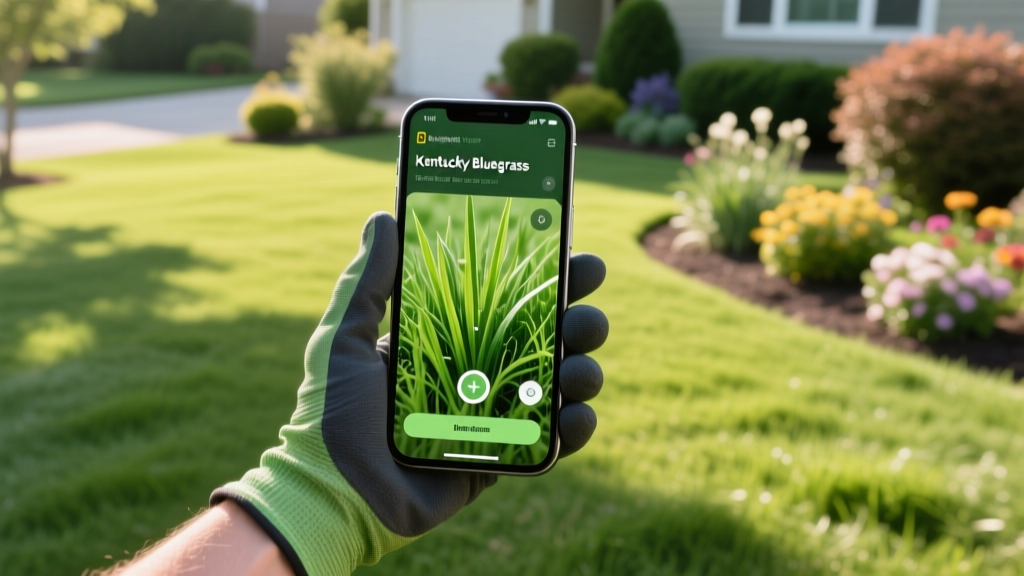
Using a Grass Identifier: Step 1 in Lawn Care Plans
Why Grass Identification Dictates Your Entire Maintenance Strategy
Mistakes in lawn care usually start before the mower is even turned on. Applying a pre-emergent formulated for cool-season fescue to a warm-season Zoysia lawn can stunt root development, while scalping St. Augustine grass to the height recommended for Bermuda will destroy its crown. Using a reliable grass identifier is the mandatory first step in any step-by-step lawn maintenance procedure. You cannot schedule aeration, select the correct N-P-K fertilizer ratio, or set your mower deck height without knowing the exact biological classification of your turf. According to the NC State University TurfFiles database, misidentifying turfgrass species is the leading cause of homeowner chemical burn and improper irrigation scheduling.
Top Grass Identifier Methods Compared
Before executing your maintenance calendar, you must accurately identify your turf. Below is a comparison of the three most effective grass identifier methods available to homeowners today.
| Identification Method | Specific Tools / Services | Estimated Cost | Accuracy & Best Use Case |
|---|---|---|---|
| AI-Powered Mobile Apps | PictureThis, PlantNet, iNaturalist | Free to $30/year | 85-95% accurate for mature, healthy turf. Best for quick, in-the-field visual checks. |
| University Extension Labs | Local county extension offices (e.g., Penn State Extension) | $10 - $25 per sample | 99% accurate. Required for diseased, dormant, or heavily mixed turf samples. |
| Manual Botanical ID | Magnifying glass, turf ID field guides | Free (Time-intensive) | 100% accurate if done correctly. Essential for distinguishing between closely related cultivars. |
Step-by-Step Botanical Identification at Home
While AI apps provide a fast baseline, they frequently confuse dormant warm-season grasses with dead cool-season grasses. For a definitive grass identifier process, follow this botanical inspection framework.
Step 1: Check the Vernation (Roll vs. Fold)
Vernation refers to how the youngest, unexpanded leaf is arranged inside the sheath. Carefully pull a single shoot from the base and slice the sheath vertically with a razor blade, or simply unroll the newest leaf.
- Folded Vernation: The leaf is folded in half. This is a primary identifier for Tall Fescue, St. Augustine, and Centipedegrass.
- Rolled Vernation: The leaf is rolled like a tight cylinder. This indicates Kentucky Bluegrass (KBG), Perennial Ryegrass, Bermudagrass, or Zoysia.
Step 2: Examine the Ligule and Auricle
The ligule is the membrane or fringe of hair where the leaf blade meets the sheath. The auricle consists of small appendages that clasp the stem.
- Tall Fescue: Short, membranous ligule; auricles are present, short, and blunt (often described as claw-like).
- Kentucky Bluegrass: Short, membranous ligule; auricles are completely absent.
- Bermudagrass: Ligule is a fringe of hairs; auricles are absent.
- St. Augustine: Ligule is a fringe of hairs; auricles are absent; leaf blades are notably broad (up to 10mm) and flat.
Step 3: Inspect Root and Stem Structures
Dig up a small 4x4 inch plug of your lawn to examine the lateral growth structures. This is the ultimate tie-breaker in the grass identifier process.
- Rhizomes (Underground): Kentucky Bluegrass and Bermudagrass spread via aggressive underground rhizomes.
- Stolons (Above Ground): St. Augustine and Centipedegrass spread exclusively via above-ground creeping stolons.
- Both: Bermudagrass and Zoysiagrass utilize both rhizomes and stolons, making them highly traffic-tolerant.
- Bunch-type (Neither): Tall Fescue and Perennial Ryegrass do not spread laterally; they grow in distinct clumps and require overseeding to fill bare spots.
⚠️ Warning: The Dormancy Trap
Never use a visual grass identifier app on a brown, dormant lawn. Warm-season grasses (Bermuda, Zoysia) turn completely brown in winter, while cool-season grasses (Fescue, KBG) remain green or go semi-dormant. Submitting a dormant sample to an AI app will almost always yield a false 'dead turf' or 'weed' diagnosis. Always identify grass during its peak active growing season (Late Spring for warm-season, Early Fall for cool-season).
Step-by-Step Maintenance Matrix by Grass Type
Once your grass identifier process is complete, map your findings to the maintenance schedule below. These parameters are based on current agronomic standards for residential turf management.
| Identified Grass Type | Optimal Mowing Height | Preferred Mower Type | Annual Nitrogen (lbs/1000 sq ft) | Core Aeration Timing |
|---|---|---|---|---|
| Tall Fescue | 2.5 - 3.5 inches | Rotary | 2.0 - 4.0 (Heavy in Fall) | Early Fall (Sept) |
| Kentucky Bluegrass | 2.0 - 3.0 inches | Rotary | 2.0 - 4.0 (Heavy in Fall) | Early Fall (Sept) |
| Bermudagrass | 0.5 - 1.5 inches | Reel (preferred) | 2.0 - 4.0 (Heavy in Spring) | Late Spring (May) |
| Zoysiagrass | 1.0 - 2.5 inches | Reel or Rotary | 1.0 - 3.0 (Heavy in Spring) | Late Spring (May) |
| St. Augustine | 2.5 - 4.0 inches | Rotary | 2.0 - 4.0 (Split Spring/Summer) | Early Spring (April) |
| Centipedegrass | 1.5 - 2.5 inches | Rotary | 1.0 - 2.0 (Low N requirement) | Early Spring (April) |
Troubleshooting Common Identification Failures
Lawns are rarely 100% pure monocultures. Here is how to handle complex scenarios when your grass identifier reveals a mixed-turf environment.
Scenario A: The 70/30 Fescue and Poa Annua Split
If your lawn is predominantly Tall Fescue but heavily invaded by Poa annua (annual bluegrass), do not adjust your maintenance to accommodate the weed. Maintain the lawn strictly for the Tall Fescue (3-inch mowing height, fall fertilization). Apply a pre-emergent containing prodiamine in early September when soil temperatures drop to 70°F to prevent Poa annua germination, effectively phasing it out over two seasons without harming the primary turf.
Scenario B: Shade-Induced Morphological Changes
Grass grown in heavy shade (less than 4 hours of direct sunlight) alters its physical structure to survive. St. Augustine grown in shade will develop elongated, sparse internodes and thinner leaf blades, often causing AI grass identifier apps to misclassify it as a broadleaf weed or a different species entirely. If your turf is in heavy shade, rely on the stolon and ligule inspection (Step 2 and Step 3) rather than leaf blade width.
Scenario C: Transition Zone Blends
Homeowners in the USDA Transition Zone (e.g., Missouri, Kentucky, Virginia) often inherit lawns with a mix of cool-season and warm-season grasses. If your identifier reveals a 50/50 split of Zoysia and Tall Fescue, you must choose a primary species to manage. Zoysia will eventually outcompete Fescue in full sun during summer heat, but Fescue will dominate in the shade. Map your lawn by sun exposure: manage sunny zones with a warm-season protocol (lower mowing, spring aeration) and shaded zones with a cool-season protocol (higher mowing, fall aeration).
Summary: Your Action Plan
- Identify: Use a combination of AI apps and manual botanical inspection (vernation, ligule, stolons/rhizomes) during the active growing season.
- Verify: Send a physical plug to your local university extension lab if the turf is diseased, heavily mixed, or completely dormant.
- Execute: Lock in your mower deck height, aeration month, and fertilizer N-P-K ratio strictly according to the identified primary species matrix.

