
Lawn Care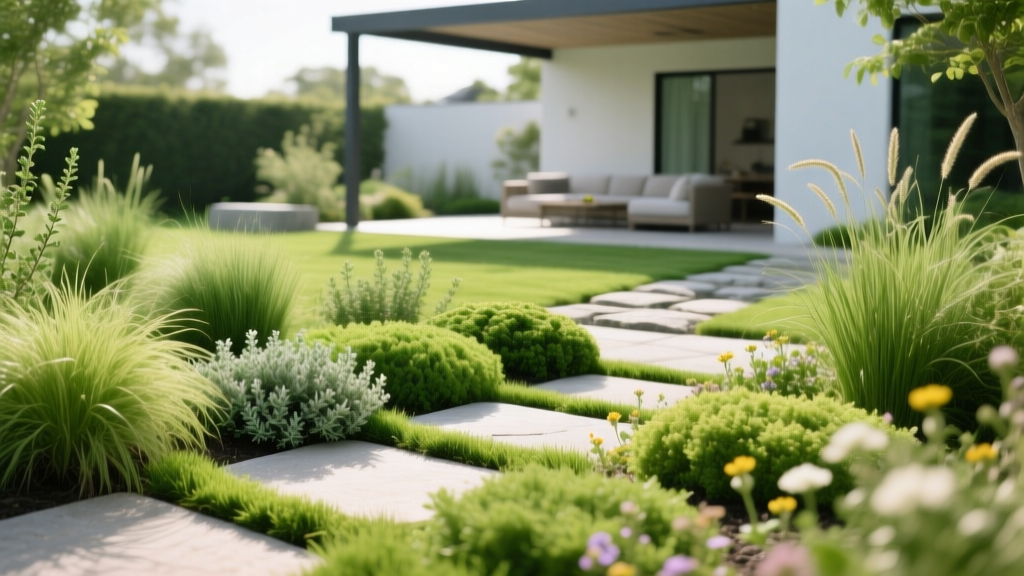
Best Grass Like Plant Lawn Alternatives: Planting & Care Guide
Traditional turfgrass struggles in deep shade, requires heavy irrigation, and demands weekly mowing. For homeowners facing strict municipal water restrictions or battling bare spots under mature tree canopies, a grass like plant offers a botanically sound, low-maintenance solution. Grass-like plants—primarily sedges (Cyperaceae), rushes (Juncaceae), and certain monocots like Liriope and Mondo grass—mimic the visual texture of a lawn while operating with entirely different, highly resilient root systems.
This guide details the exact species selection, soil preparation metrics, and establishment timelines required to successfully plant and grow a grass-like lawn alternative in 2026.
Top Grass-Like Plant Species for Lawn Replacement
Not all groundcovers can withstand even light foot traffic or provide the uniform aesthetic of a mowed lawn. When selecting a grass like plant, you must match the species to your specific microclimate. The botanical mnemonic "Sedges have edges, rushes are round, grasses have knees that bend to the ground" helps identify these plants in the wild, but their landscape performance varies drastically.
| Common Name | Botanical Name | USDA Zones | Light Requirement | Traffic Tolerance | Mature Height |
|---|---|---|---|---|---|
| Pennsylvania Sedge | Carex pensylvanica | 3-7 | Dry Shade | Light | 6-8 inches |
| Texas Sedge | Carex texensis | 6-9 | Part Shade | Moderate | 4-6 inches |
| Mondo Grass | Ophiopogon japonicus | 6-10 | Deep Shade | Very Light | 3-5 inches |
| Soft Rush | Juncus effusus | 4-9 | Sun/Wet Soil | Low | 12-24 inches |
| Big Blue Liriope | Liriope muscari | 5-10 | Sun/Shade | Moderate | 10-12 inches |
For a true "no-mow" lawn aesthetic in northern climates, Carex pensylvanica is the industry standard. It naturally drapes, creating a flowing, meadow-like texture. In warmer southern zones, Carex texensis provides a tighter, more traditional turf appearance. For comprehensive cultivar data and regional adaptability, the Missouri Botanical Garden Plant Finder remains the most reliable database for verifying specific sedge and rush hardiness ratings.
Site Preparation and Soil Eradication
The single highest cause of grass-like plant failure is inadequate eradication of existing competitive weeds, particularly bermudagrass and creeping charlie. Sedges establish slowly; if perennial weeds are left in the soil profile, they will outcompete the plugs in the first 90 days.
The Solarization Method (Chemical-Free)
For organic lawn transitions, soil solarization is highly effective but requires strict adherence to material specifications:
- Mow and Water: Scalp the existing lawn to 1 inch and water deeply (0.5 inches) to stimulate weed seed germination and conduct heat.
- Apply Polyethylene: Cover the area with 6-mil clear UV-resistant polyethylene sheeting. Do not use black plastic; clear plastic traps the greenhouse effect, raising soil temperatures to 120°F+ in the top 2 inches, which kills soil-borne pathogens and weed seeds.
- Seal Edges: Bury the edges of the plastic 6 inches deep in a perimeter trench to prevent heat escape.
- Duration: Leave in place for 6 to 8 weeks during peak summer heat (June-August in the Northern Hemisphere).
Soil Amendment Metrics
Most sedges prefer slightly acidic soil (pH 5.5 to 6.5). Test your soil before planting. If your pH is above 7.0, apply elemental sulfur at a rate of 1.5 lbs per 1,000 square feet to lower it. Incorporate 2 inches of screened compost into the top 6 inches of soil using a rear-tine rototiller. This increases soil organic matter to the 4-6% range required for optimal sedge root penetration.
Planting Techniques: Plugs vs. Divisions
While some Carex species can be grown from seed, germination is notoriously erratic and can take up to 60 days. For reliable lawn establishment, planting live plugs or bare-root divisions is the professional standard.
Calculating Plug Spacing and Costs
Your budget and timeline will dictate your planting grid. Grass-like plants spread via rhizomes, but much slower than traditional Kentucky Bluegrass.
- 6-Inch Centers (Fast Fill): Requires 4 plugs per square foot. At an average 2026 wholesale cost of $0.85 per plug, material costs are $3.40 per sq. ft. Expect full coverage in 4 to 6 months.
- 9-Inch Centers (Standard): Requires 1.8 plugs per square foot. Material costs drop to $1.53 per sq. ft. Expect full coverage in 8 to 10 months.
- 12-Inch Centers (Budget): Requires 1 plug per square foot. Material costs are $0.85 per sq. ft. Expect full coverage in 12 to 18 months, with high risk of weed invasion in the bare gaps during year one.
Pro Planting Tip: When planting plugs, ensure the crown of the sedge (where the roots meet the shoots) sits exactly at the soil surface. Planting sedges even 0.5 inches too deep will cause crown rot and total plug failure within three weeks.
Establishment Watering and Fertilization Schedule
Grass-like plants are ultimately drought-tolerant, but they require aggressive moisture management during the first 120 days to push rhizomes outward.
Weeks 1-3: Root Anchoring
Water daily for 10-15 minutes per zone. The goal is to keep the top 2 inches of soil consistently moist, not saturated. Overwatering at this stage invites Pythium root rot.
Weeks 4-8: Deep Root Forcing
Reduce frequency to every third day, but increase volume to deliver 0.5 inches of water per session. This forces the sedge roots to chase the moisture deeper into the soil profile.
Fertilization Protocol
Do not use high-nitrogen synthetic fertilizers (like 30-0-0) on sedges or rushes. Excess nitrogen causes weak, floppy growth that is highly susceptible to rust fungus. Instead, apply a slow-release, organic fertilizer with a 4-1-2 N-P-K ratio (such as Espoma Organic Lawn Food) at a rate of 1 lb of actual nitrogen per 1,000 sq. ft. Apply once in early spring and once in early fall.
Common Establishment Failures and Troubleshooting
Even with perfect soil prep, environmental variables can disrupt establishment. Use this diagnostic framework to correct issues early.
Symptom: Plugs Turn Yellow and Pull Up Easily
- Cause: Crown rot or white grub damage.
- Fix: Pull a dying plug and inspect the roots. If roots are sheared off and you find C-shaped white larvae, apply Heterorhabditis bacteriophora (beneficial nematodes) at a rate of 1 billion nematodes per acre, watered in immediately. If roots are brown and mushy, reduce irrigation frequency and apply a copper-based fungicide.
Symptom: Brown, Rusty Pustules on Leaf Blades
- Cause: Sedge Rust (Puccinia species), common in late summer when humidity is high and nitrogen is excessive.
- Fix: Improve air circulation by pruning lower tree branches. Switch to a morning-only watering schedule so foliage dries before nightfall. Mow the affected area (using a bagging attachment to remove spores) and dispose of the clippings in the trash, never the compost pile.
Symptom: Creeping Charlie or Clover Invading Gaps
- Cause: Spacing was too wide (12+ inches), leaving bare soil exposed during the slow rhizome spread phase.
- Fix: Hand-pull broadleaf weeds. Do not use broadleaf herbicides (like 2,4-D) on Mondo grass or Liriope, as they are monocots but can still suffer severe phytotoxicity from certain ester-based herbicides. For sedges, a spot-treatment with a 20% horticultural vinegar solution on the weeds is safer during the first year of establishment.
Long-Term Maintenance: The No-Mow Reality
Once established, a grass like plant lawn drastically reduces yard work. Unlike traditional turf, sedges do not require weekly mowing. For Carex lawns, the only required maintenance is an annual "haircut" in late February or early March. Use a string trimmer or a mower with the blade set to 4 inches to shear off the winter-burned foliage just before the spring flush of new green growth emerges. This single annual cut keeps the lawn looking pristine and prevents thatch buildup.
By selecting the correct species for your microclimate, executing precise soil preparation, and adhering to a strict establishment watering schedule, your grass-like lawn will provide a lush, ecologically beneficial, and highly durable landscape surface for decades. For further reading on regional groundcover adaptability, consult the NC State Extension Plant Database to verify specific cultivar performance in your exact county.

