
Lawn Care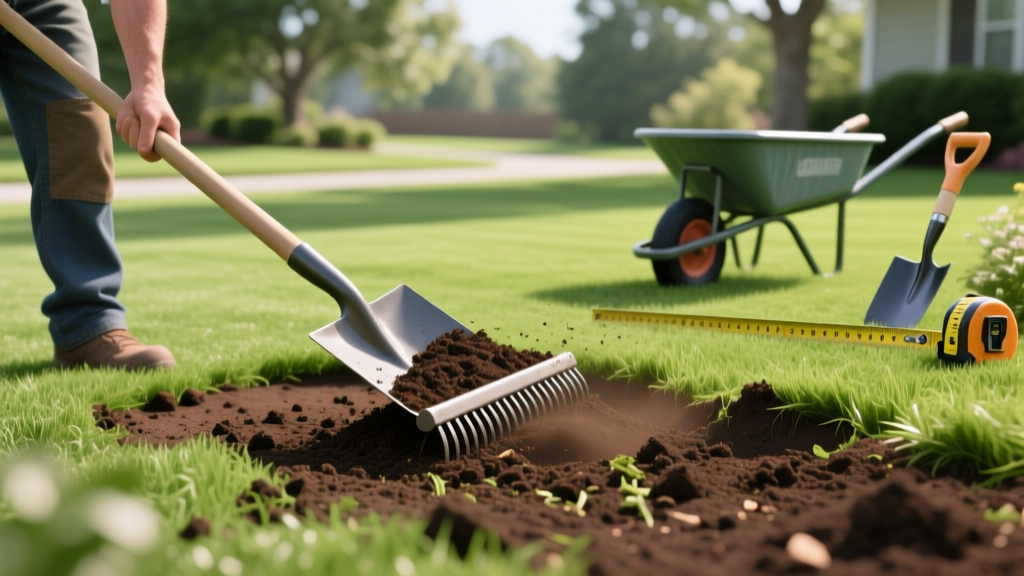
Step-by-Step Guide to Grass Top Dressing for Lawn Leveling
Uneven terrain, compacted soil, and excessive thatch are three of the most common barriers to a dense, healthy turf. Grass top dressing is the professional-grade solution to all three. By applying a thin, carefully calibrated layer of soil amendment over the existing turf canopy, you can level minor depressions, introduce beneficial microbes, and improve drainage without smothering the grass. This guide details the exact measurements, material ratios, and execution steps required to successfully top dress your lawn.
The Mechanics of Grass Top Dressing
Top dressing works by introducing new soil particles into the existing turf profile. When paired with core aeration, the top dressing material falls into the aeration holes, permanently altering the soil structure deep in the root zone. According to the NC State Turfgrass Extension, this process reduces soil compaction, increases water infiltration, and accelerates thatch decomposition by introducing soil microorganisms that break down organic matter.
The critical factor is depth. Applying too much material will block sunlight and gas exchange, effectively suffocating the turf. Applying too little will fail to level the ground or amend the soil. The industry standard application rate is 1/4 inch to 1/2 inch of material per application.
Material Selection Matrix
Choosing the wrong material is the most common cause of top dressing failure. Never use play sand, topsoil with high clay content, or unscreened compost. Use the matrix below to select the correct mixture for your soil type.
| Material Mix | Ratio | Best For | Why It Works |
|---|---|---|---|
| Sand & Compost Blend | 70% Sand / 30% Compost | Clay soils, heavy traffic areas | Angular sand prevents compaction while compost adds nutrients and microbes. |
| Pure Mason Sand | 100% Washed Sand | Bermuda, Zoysia, extreme leveling | Washed mason sand has angular particles that interlock without compacting like round play sand. |
| Screened Compost | 100% Compost (1/4 inch screen) | Sandy soils, nutrient-deficient turf | Increases water retention and organic matter in fast-draining soils. |
Warning: Never use 'play sand' or 'builder's sand' for lawn applications. These sands have rounded particles that lock together and create a concrete-like layer over your root zone, destroying drainage. Always specify 'washed mason sand' or 'concrete sand' from your local landscape supplier.
Calculating Material Volume
Buying bagged top dressing materials at a hardware store is cost-prohibitive for anything larger than a 500-square-foot patch. For whole-lawns, order bulk materials from a local landscape supply yard.
- Target Depth: 1/2 inch (0.0416 feet)
- Coverage per Cubic Yard: 1 cubic yard covers approximately 648 square feet at a 1/2-inch depth.
- Example Calculation: For a 5,000 sq. ft. lawn at 1/2 inch depth: 5,000 / 648 = 7.7 cubic yards. Order 8 cubic yards of your chosen mix.
- Estimated Cost (2026): Bulk sand/compost mixes typically range from $35 to $65 per cubic yard, plus a delivery fee of $75 to $120 depending on distance.
Optimal Timing by Grass Type
Top dressing stresses the turf temporarily. You must apply the material when the grass is entering its peak growth phase so it can quickly push through the new soil layer.
- Cool-Season Grasses (Fescue, Kentucky Bluegrass, Ryegrass): Early fall (late August through September). Spring applications are acceptable but risk promoting weed seed germination in the top dressing mix.
- Warm-Season Grasses (Bermuda, Zoysia, St. Augustine, Centipede): Late spring to early summer (May through June), once the grass has fully greened up and is actively growing.
Step-by-Step Grass Top Dressing Procedure
Step 1: Mow Low and Dethatch
Mow your lawn 25% lower than your standard maintenance height. For example, if you normally mow at 3 inches, drop the deck to 2.25 inches. This prevents the grass blades from being buried under the new soil. If your thatch layer exceeds 1/2 inch, run a power dethatcher or rent a vertical mower to rip out the dead organic matter before proceeding. Removing thatch ensures the top dressing makes direct contact with the soil surface.
Step 2: Core Aeration (The Crucial Precursor)
Top dressing without aeration only amends the surface. To change the deep soil profile, you must core aerate first. Use a walk-behind core aerator to pull 3-inch deep plugs spaced 3 to 4 inches apart across the entire lawn. Leave the plugs on the lawn; the top dressing material will help break them down. The University of Minnesota Extension notes that aerating before top dressing allows the amendment to physically integrate into the clay or compacted subsoil.
Step 3: Distribute the Material in Piles
Do not attempt to spread the material directly from a wheelbarrow in one continuous motion. Shovel the top dressing mix into distinct, evenly spaced piles across the lawn. For a 1/2 inch application, place roughly one flat shovel-load (about 1.5 gallons) per 10 square feet. Distributing piles first ensures you have an even volume of material to work with before you begin leveling.
Step 4: Level and Work Into the Canopy
Using a 30-inch aluminum lawn leveling rake (often called a levelawn tool) or the flat back of a heavy-duty steel garden rake, drag the material across the turf.
The Technique: Push the material into the low spots and aeration holes. Then, use a stiff push broom or the back of the rake to vigorously sweep the material back and forth across the grass blades. Your goal is to force the soil mix down to the soil line while leaving the tips of the grass blades exposed to sunlight. If the grass is completely buried, you have applied too much material in that spot.
Pro Tip: If you are dealing with severe ruts or depressions deeper than 1 inch, do not try to fill them in a single top dressing session. Fill deep holes with a 50/50 topsoil and sand mix first, tamp it down, and wait four weeks before applying your final 1/2 inch top dressing layer over the entire lawn.
Step 5: Water Heavily and Overseed
Immediately after leveling, run your irrigation system for a full cycle. The water will wash the remaining soil particles off the grass blades and settle the mix firmly into the aeration holes and low spots. If you are renovating a cool-season lawn in the fall, broadcast your grass seed immediately after top dressing and watering. The top dressing layer provides perfect seed-to-soil contact and retains the moisture required for germination.
Troubleshooting Common Top Dressing Failures
Symptom: The grass turns yellow and thins out two weeks after application.
Cause: Smothering. The top dressing layer was applied thicker than 1/2 inch, or the material was not swept off the grass blades, blocking photosynthesis.
Fix: Use a push broom to aggressively sweep the excess material off the canopy. Increase irrigation slightly to help the soil settle, and apply a light dose of liquid nitrogen to stimulate recovery.
Symptom: The lawn remains bumpy, and the material washes away during heavy rain.
Cause: Using unwashed sand, round play sand, or a topsoil mix with high clay content that failed to integrate with the existing profile.
Fix: Wait for the turf to recover, core aerate heavily in the opposite direction of the first pass, and re-apply a thin 1/4 inch layer of strictly washed mason sand to lock the profile in place.
Post-Application Recovery Timeline
Understanding what to expect after grass top dressing prevents panic and unnecessary interventions.
- Days 1-3: The lawn will look messy and slightly brown. Grass blades may be partially obscured. Keep the soil consistently moist but not waterlogged to encourage settling.
- Days 7-10: The turf will begin to push aggressively through the top dressing layer. You will see vibrant green tips emerging from the dark soil mix. Weed seeds from the compost (if not properly hot-composted) may also begin to germinate; monitor closely and apply a post-emergent herbicide if necessary, provided it is safe for your specific turfgrass species.
- Days 21-30: The canopy will fully close over the top dressing. The lawn will feel noticeably firmer underfoot due to the sand integration, and water pooling in previous low spots will be eliminated. Resume standard mowing and fertilization schedules.

