
Lawn Care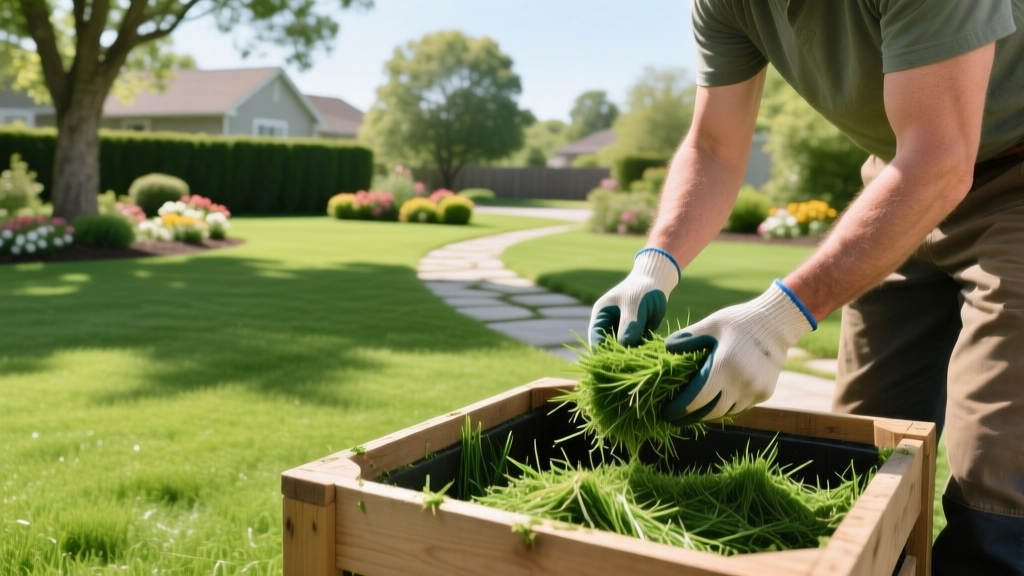
What to Do With Grass Trimmings: Step-by-Step Lawn Care Guide
The Agronomic Value of Grass Trimmings
Every time you mow, you are harvesting a valuable, nitrogen-rich crop. Grass trimmings (clippings) are approximately 80% to 85% water and contain a natural N-P-K (Nitrogen-Phosphorus-Potassium) ratio of roughly 4-2-1. When left on the turf, decomposing trimmings can supply up to 25% of your lawn's total annual nitrogen requirements. In 2026, with synthetic fertilizer prices averaging $35 to $50 per 50-pound bag, utilizing grass trimmings as a free nutrient source is both an agronomic best practice and a significant cost-saving measure.
Mythbuster: The Thatch Misconception
A persistent myth is that grass trimmings cause thatch buildup. Thatch is a layer of dead, lignin-rich stems, stolons, and roots that decompose slowly. Grass clippings lack high lignin content and are broken down by soil microbes within 7 to 14 days. Leaving trimmings on the lawn actually accelerates thatch decomposition by stimulating microbial activity.
Step-by-Step: Executing the Grasscycling Method
Grasscycling—the practice of leaving grass trimmings on the lawn—requires specific mowing techniques to prevent unsightly clumps and ensure rapid decomposition. Follow this procedure for optimal results.
Step 1: Calibrate Your Mower Deck Height
Set your mower deck to the correct height for your specific turfgrass species. Cutting too low scalps the lawn, while cutting too high leaves heavy, slow-decaying trimmings.
- Cool-Season Grasses (Kentucky Bluegrass, Tall Fescue, Perennial Ryegrass): Maintain a 3.0 to 3.5-inch cutting height.
- Warm-Season Grasses (Bermuda, Zoysia, St. Augustine): Maintain a 1.5 to 2.5-inch cutting height, depending on the specific cultivar.
Step 2: Enforce the One-Third Rule
Never remove more than one-third of the grass blade in a single pass. If your target height is 3 inches, mow when the grass reaches 4.5 inches. Removing more than 33% of the blade produces long, heavy grass trimmings that will mat on the soil surface, blocking sunlight and trapping excess moisture against the crown, which invites fungal pathogens.
Step 3: Utilize a Double-Pass Mowing Pattern
For the finest chop, alter your mowing pattern. On the first pass, mow in straight, parallel lines. On the second pass, mow perpendicular to the first lines or in a concentric circle pattern. This forces the mower deck to recut the clippings, reducing their length to under half an inch, which is the ideal size for rapid microbial breakdown.
Decision Matrix: When to Bag vs. Mulch Trimmings
While grasscycling is the default recommendation, certain environmental and pathological conditions mandate bagging your grass trimmings. Use this matrix to make real-time decisions in the field.
| Condition | Action | Agronomic Rationale |
|---|---|---|
| Active Fungal Disease (e.g., Brown Patch, Dollar Spot) | Bag | Trimmings harbor fungal spores. Mulching spreads the inoculum across healthy turf. |
| Wet or Dew-Heavy Grass | Bag or Wait | Moisture causes clippings to clump and stick to the mower deck, resulting in uneven dispersal and turf smothering. |
| Overgrown Lawn (Missed 2+ mowings) | Bag | Excessive clipping volume will form a thick mat that blocks photosynthesis and traps humidity at the soil line. |
| Recent Broadleaf Weed Herbicide Application | Bag (First 2 mows) | Prevents residual herbicide from transferring to sensitive garden beds if clippings blow off the lawn. |
| Routine Maintenance (Dry, healthy turf) | Mulch | Returns nitrogen, phosphorus, and potassium to the soil profile while retaining soil moisture. |
Step-by-Step: Composting Bagged Grass Trimmings
If your lawn conditions dictate bagging, never send grass trimmings to a landfill where they generate methane. Instead, compost them. Grass clippings are considered 'greens' in composting terminology, but they require careful balancing to prevent anaerobic rot.
- Understand the C:N Ratio: Grass trimmings have a Carbon-to-Nitrogen (C:N) ratio of roughly 15:1 to 20:1. This is highly nitrogenous. To compost successfully, you must mix them with 'browns' (carbon-rich materials like dry autumn leaves, shredded cardboard, or straw, which have a C:N ratio of 60:1 or higher). According to the Environmental Protection Agency (EPA), an ideal compost pile maintains a C:N ratio of 30:1.
- Apply the Lasagna Layering Method: Add a 2-inch layer of fresh grass trimmings, followed by a 4-inch layer of dry brown materials. Water the pile lightly until it feels like a wrung-out sponge.
- Aerate Weekly: Because grass trimmings compact easily and restrict airflow, turn the pile with a pitchfork every 5 to 7 days to introduce oxygen and maintain thermophilic temperatures (130°F to 150°F).
Warning: Garden Bed Mulching
Do not apply fresh, wet grass trimmings directly to garden beds as mulch. As they decompose anaerobically, they generate excessive heat (often exceeding 140°F) and release ammonia gas, which will burn and kill nearby ornamental plants. Always spread grass trimmings on a tarp in the sun for 48 to 72 hours to dry out before applying them as a 1-inch garden mulch.
Equipment Upgrades for Optimal Trimming Management
Standard mower blades are designed for discharge and lift, not for recutting. To manage grass trimmings effectively, invest in dedicated mulching hardware.
1. Mulching Blades (Gator Blades)
Replace standard straight-edge blades with serrated mulching blades, such as the Oregon G3 Gator Blades ($50 to $75 for a standard set). These blades feature aggressive teeth that create a vortex inside the mower deck, keeping the grass trimmings suspended in the air longer so they can be chopped multiple times before falling to the soil.
2. Twin-Blade Mower Systems
If you are in the market for a new mower, consider models with twin-blade technology. The Honda HRX217VKA (retailing around $850 to $950) utilizes the MicroCut twin-blade system. The lower blade cuts the grass, and the upper blade immediately chops the resulting trimmings into micro-fine particles, virtually eliminating clumping even in slightly damp conditions.
3. Mulching Baffles and Plugs
If your current mower lacks a dedicated mulching deck, purchase an OEM mulching kit (typically $30 to $60). These kits include a deck plug that blocks the side-discharge chute and specialized baffles that redirect airflow, forcing the grass trimmings back into the cutting path of the blade.
Frequently Asked Questions
Do grass trimmings spread weeds?
Yes, if you mow after weeds have gone to seed. If your lawn is heavily infested with seed-head-producing weeds like crabgrass or Poa annua, bag the clippings during the peak seeding months (late spring and late summer) to prevent redistributing weed seeds across the turf.
How much fertilizer can I reduce by leaving grass trimmings?
Research from the Natural Resources Defense Council (NRDC) and various university extensions indicates that consistent grasscycling allows homeowners to reduce their synthetic nitrogen fertilizer applications by 25% to 30% annually without any loss in turf density or color.
What if my mower leaves clumps of grass trimmings?
Clumping indicates that the mower deck is overwhelmed. This happens if the grass is wet, the blade is dull, or you are cutting more than one-third of the blade height. Sharpen your blade (or replace it), wait for the turf to dry, and mow again at a slightly higher deck setting to clear the clumps.

