
Lawn Care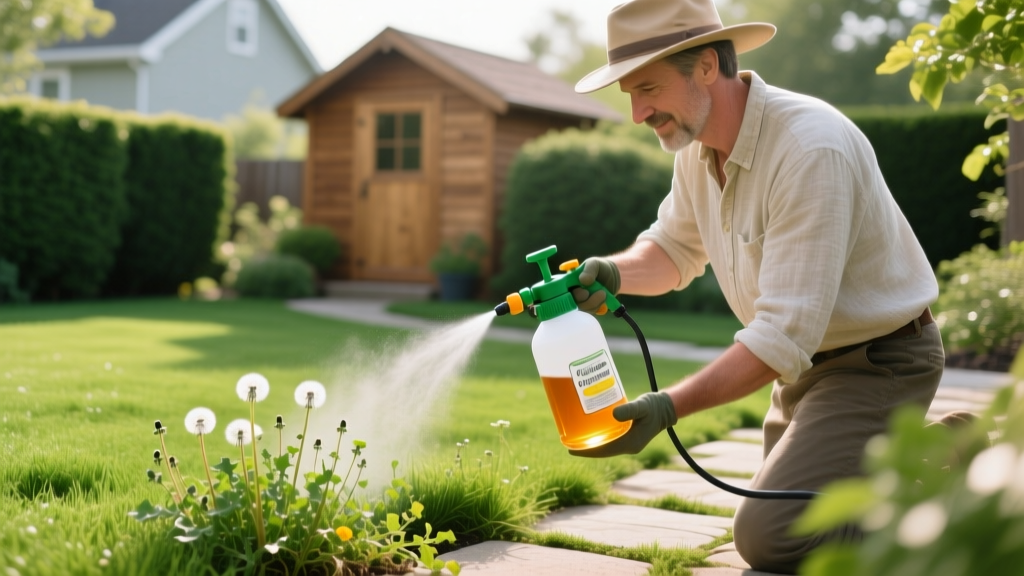
Vinegar Mixture to Kill Weeds: Exact Recipes & Application Guide
The Science of Acetic Acid: Why Concentration Matters
When formulating a vinegar mixture to kill weeds, understanding the active ingredient—acetic acid—is critical. Acetic acid operates as a non-selective, contact herbicide. Upon contact, it rapidly lowers the pH within the plant's leaf tissue, rupturing cell membranes and causing immediate desiccation (drying out). However, its efficacy is entirely dependent on concentration. Standard culinary white vinegar contains 5% acetic acid, which is only sufficient to burn the delicate foliage of very young, newly germinated annual weed seedlings. To achieve reliable control over established broadleaf weeds in a lawn or garden bed, you must utilize horticultural-grade vinegar, which typically ranges from 20% to 30% acetic acid.
According to research published by NC State Extension, 20% acetic acid solutions provide 85% to 100% kill rates on annual weeds when applied correctly, but they do not translocate to the roots. This means the solution destroys the top growth but leaves the root system of perennial weeds intact. Recognizing this limitation is the first step in setting realistic expectations for organic weed management.
⚠️ Warning: The Salt Trap
Many online recipes suggest adding Epsom salt or table salt (sodium chloride) to vinegar mixtures to 'burn out' roots. Do not do this. Sodium destroys soil structure, creates toxic salinity levels, and prevents future grass or plant growth in that exact spot. While salt may desiccate roots temporarily, the long-term damage to your soil's microbiome and cation exchange capacity (CEC) far outweighs the marginal weed-killing benefit. Stick to vinegar and a surfactant.
Formulating the Ideal Vinegar Mixture to Kill Weeds
Acetic acid alone struggles to penetrate the waxy cuticle of mature weed leaves. To solve this, you must add a surfactant. Surfactants reduce the surface tension of water (and vinegar) from roughly 72 mN/m down to 30 mN/m, allowing the acidic solution to spread evenly across the leaf surface rather than beading up and rolling off into the soil.
The Professional 20% Recipe
- 1 Gallon of 20% Horticultural Vinegar (e.g., Green Gobbler or Harris brands, typically $28–$38 per gallon in 2026).
- 1 Ounce (2 Tablespoons) of liquid dish soap or pure Castile soap. Avoid soaps with heavy degreasers or added lotions, which can interfere with the acid.
- Optional: 1 ounce of citrus oil (d-limonene) to accelerate the breakdown of the waxy leaf cuticle on stubborn weeds like plantain or mallow.
| Acetic Acid Concentration | Target Weeds | Approx. Cost (2026) | Required PPE |
|---|---|---|---|
| 5% (Household) | Tiny annual seedlings (chickweed, henbit) | $3 - $5 / gallon | Standard gloves |
| 20% (Horticultural) | Mature annuals, young perennials, moss | $28 - $38 / gallon | Goggles, nitrile gloves, long sleeves |
| 30% (Industrial) | Heavy brush, poison ivy (not recommended for lawns) | $45 - $60 / gallon | Face shield, respirator, chemical apron |
Step-by-Step Application Protocol
Because acetic acid relies on rapid cellular collapse, environmental conditions dictate your success rate. Spraying on a cloudy, cool day will yield poor results.
- Time the Weather: Apply the mixture between 10:00 AM and 2:00 PM on a clear, sunny day when temperatures exceed 80°F (26°C). UV radiation and high heat accelerate the desiccation process exponentially.
- Calibrate the Nozzle: Use a pump sprayer with a fan-pattern nozzle. A pinpoint stream wastes product and misses the broadleaf surface area. Adjust the nozzle to a medium mist to ensure complete leaf coverage without excessive runoff.
- Saturate the Foliage: Spray the weed until the leaves are thoroughly wet, but stop before the liquid begins dripping heavily into the soil. You are targeting the foliage, not the dirt.
- Avoid Drift: Acetic acid is non-selective. It will burn your turfgrass just as easily as it burns a dandelion. Use a cardboard shield or a specialized sprayer bell when treating weeds embedded directly in your lawn.
Target Weeds: What Works and What Doesn't
Managing expectations is vital when using organic, chemical-free controls. The Environmental Protection Agency (EPA) categorizes acetic acid as a minimum-risk pesticide ingredient, but its biological limitations mean it cannot replace systemic synthetic herbicides like glyphosate or 2,4-D for certain weed types.
Highly Susceptible Weeds (Excellent Control)
- Annual Broadleaves: Dandelion seedlings, chickweed, spurge, and lambsquarters. Because these rely on shallow root systems and complete their life cycles quickly, burning the top growth often kills the entire plant before it can recover.
- Annual Grassy Weeds: Crabgrass and goosegrass seedlings (under 3 inches tall).
- Moss and Algae: 20% vinegar is highly effective at burning away moss in shaded, compacted lawn areas.
Resistant Weeds (Poor Long-Term Control)
- Mature Perennials: Bindweed, mature dandelions, and wild violet. The acid will burn the leaves to a crisp within hours, but the deep taproots or rhizomes will simply push up new growth within 10 to 14 days. Repeated applications (every 2 weeks) are required to exhaust the root's energy reserves.
- Sedges: Nutsedge has a thick, waxy cuticle and reproduces via underground nutlets. Vinegar will brown the visible shoots but will not penetrate the soil to kill the tubers.
Safety Gear and Environmental Precautions
While household 5% vinegar is harmless, 20% and 30% horticultural vinegar is a severe irritant and corrosive agent. It can cause irreversible corneal damage if splashed into the eyes and severe chemical burns on sensitive skin.
Mandatory PPE Checklist for 20%+ Acetic Acid:
- ANSI Z87.1 certified splash-proof safety goggles (standard reading glasses are insufficient).
- Chemical-resistant nitrile gloves.
- Long pants and closed-toe shoes.
Furthermore, avoid spraying near metal structures, fences, or concrete pavers. High-concentration acetic acid will rapidly corrode untreated steel, aluminum, and etch the surface of unsealed concrete and natural stone.
Frequently Asked Questions
Will a vinegar mixture permanently lower my soil pH?
No. While acetic acid is highly acidic, soil possesses a natural 'buffering capacity' driven by organic matter and clay minerals. The soil microbiome and alkaline minerals will neutralize the residual acid within 48 to 72 hours. It does not cause long-term soil acidification unless applied in massive, concentrated volumes daily.
Can I use cleaning vinegar instead of horticultural vinegar?
Cleaning vinegar typically maxes out at 6% acetic acid. While slightly stronger than culinary vinegar, it is still too weak to reliably kill established weeds. You must source agricultural or horticultural vinegar (20%+) from a garden center or agricultural supplier for meaningful results.
How soon can I overseed or plant grass after spraying?
Because acetic acid breaks down rapidly in the soil and does not leave a toxic residual barrier, you can safely overseed, sod, or plant desirable seeds just 48 hours after application. This makes it an excellent tool for clearing a seedbed right before a fall or spring lawn renovation.

