
Lawn Care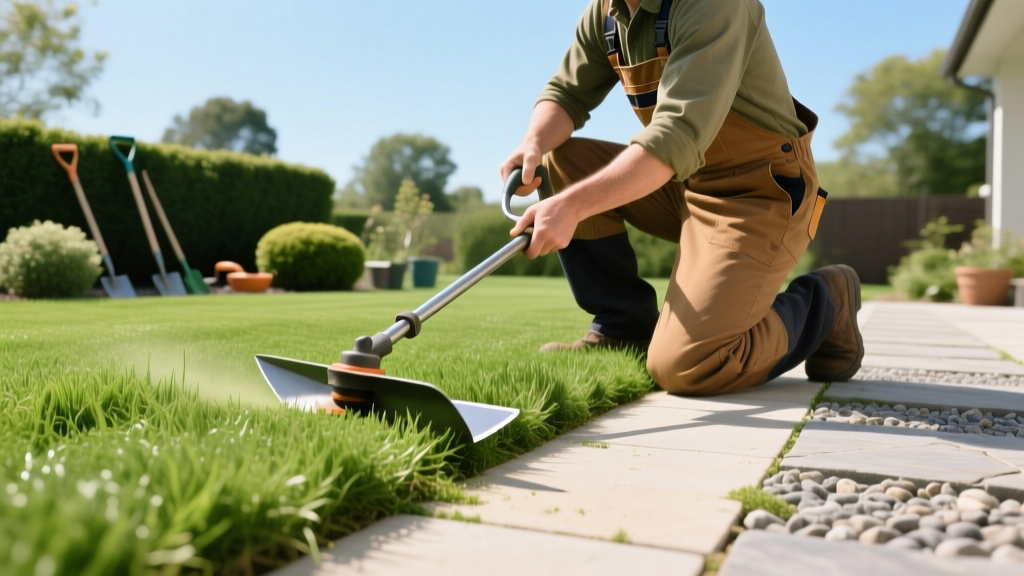
How to Edge Grass Perfectly: Step-by-Step Maintenance Guide
The Agronomy of Edging: Why Precision Matters
Edging is not merely a cosmetic enhancement; it is a critical agronomic practice that dictates the long-term health and boundaries of your turf. When learning how to edge grass effectively, you are essentially managing the lateral spread of stolons and rhizomes. Without a physical barrier or consistent trench, aggressive warm-season grasses like Bermuda (Cynodon dactylon) and Zoysia will invade hardscapes, flower beds, and gravel paths, while cool-season bunchgrasses like Tall Fescue will develop ragged, uneven margins that harbor moisture and fungal pathogens.
A properly executed edge creates a micro-climate boundary that improves air circulation at the turf margin, reduces competition for water near concrete foundations, and establishes a definitive root barrier. According to turfgrass management guidelines from University of Minnesota Extension, maintaining clean lawn borders prevents the accumulation of thatch against impermeable surfaces, which can otherwise lead to localized necrosis and pest harborage.
Selecting the Right Edging Equipment
The tool you choose must match the specific phase of your maintenance cycle. Initial trenching requires high-torque rotary blades, while weekly maintenance relies on high-RPM string trimmers or lightweight manual tools.
| Tool Category | Top 2026 Model Recommendation | Avg. Price | Best Application | Limitations |
|---|---|---|---|---|
| Battery Rotary Edger | EGO Power+ 8-Inch Edger (EA0800) | $179 | Deep trenching, heavy overgrowth, spring cleanup | Heavier, requires 56V battery ecosystem |
| Gas Stick Edger | Troy-Bilt TB516 4-Cycle Edger | $299 | Commercial use, massive properties, wet soil | Requires winterization, emits exhaust, noisy |
| String Trimmer (Edging Mode) | Husqvarna 320iLX Battery Trimmer | $229 | Weekly maintenance, soft soil, delicate borders | Cannot cut deep rhizomes, throws debris |
| Manual Half-Moon | Fiskars 39-Inch Steel Edger | $35 | Tight corners, tree rings, eco-friendly precision | Labor-intensive, slow for long driveways |
Depth and Angle: The Science of the Cut
The most common failure in DIY lawn edging is improper blade depth, which either fails to sever the root system or damages the underlying soil structure and irrigation lines.
Pro Tip: Match Depth to Grass Type
- Warm-Season (Bermuda, Zoysia, St. Augustine): Set your rotary blade to 3 to 4 inches deep. These grasses spread via aggressive subsurface rhizomes and surface stolons. A shallow 1-inch cut will only trim the surface leaves, allowing the roots to bypass the trench within 14 days.
- Cool-Season (Fescue, Kentucky Bluegrass, Ryegrass): Set your blade to 1.5 to 2 inches deep. These grasses spread primarily via tillering or shallow rhizomes. Cutting deeper than 2 inches exposes subsoil, encourages weed seed germination, and risks severing shallow drip irrigation lines.
Step-by-Step Procedure: How to Edge Grass Along Hardscapes
Follow this exact sequence to achieve a professional, golf-course-quality margin along concrete driveways, paver patios, and asphalt sidewalks.
- Clear the Perimeter: Use a backpack blower (like the Stihl BR 800 X) set to 50% throttle to blow loose clippings, gravel, and mulch away from the hardscape edge. Debris left on the concrete will be picked up by the edger blade and propelled as dangerous shrapnel.
- Establish the Guide Wheel Track: Position the edger so the guide wheel rests entirely on the hardscape (concrete or asphalt), not on the soil or grass. This ensures a perfectly straight line parallel to the border.
- Set the Blade Angle: For a standard trench, lock the blade at a 90-degree vertical angle. If you are maintaining an existing, slightly sloped edge, tilt the blade 10 to 15 degrees away from the grass to create a 'V' channel that naturally sheds water away from the hardscape.
- Execute the Pass: Engage the motor and walk at a steady pace of roughly 2.5 to 3 miles per hour. Walking too slowly with a rotary edger will cause the blade to pulverize the soil into fine dust, leading to trench collapse during the next rainstorm.
- Clear the Spoil: As you walk, the blade will throw soil and grass roots onto the lawn side. Immediately use a stiff-bristle push broom or a blower to sweep this 'spoil' back into the lawn or compost bin. Leaving it on the hardscape will stain the concrete and create a slipping hazard.
Troubleshooting Common Edging Failures
Even experienced homeowners encounter edge degradation. Use this diagnostic framework to correct structural flaws in your lawn borders.
- Symptom: 'Scalloped' or Wavy Edges.
Cause: Inconsistent walking speed or allowing the string trimmer head to bounce off the concrete.
Fix: When using a string trimmer for edging, rest the shaft against your hip for stability and lock your wrists. Let the trimmer's plastic guard ride flush against the concrete, maintaining a constant 70% RPM throttle. - Symptom: Mulch Volcanoes and Trench Collapse.
Cause: Blowing soil back into the trench immediately after cutting, or adjacent flower bed mulch washing into the void.
Fix: Install a physical barrier. For beds adjacent to lawns, insert 4-inch deep commercial-grade aluminum or polyethylene edging strips (such as Perma-Loc) flush with the trench wall to retain mulch and block rhizomes. - Symptom: Ragged, Brown Grass Tips Along the Edge.
Cause: Dull rotary blades or using a string trimmer line that is too thick (e.g., 0.095-inch) for delicate cool-season grasses.
Fix: Sharpen rotary blades every 15 hours of use. For string trimmers on Fescue, downgrade to a 0.065-inch or 0.080-inch twisted line to ensure a clean slice rather than a blunt tear, which invites Dollar Spot fungus.
Post-Edging Cleanup and Soil Health
The final step in the edging procedure is often neglected but vital for turf health. The Clemson University Home & Garden Information Center notes that leaving severed grass clippings and soil clumps in the trench creates a damp micro-environment conducive to brown patch disease and chinch bug infestations.
After edging, use a specialized lawn vacuum or a high-CFM backpack blower to extract all organic matter from the trench. If the soil in the trench appears highly compacted from the guide wheel, use a hand cultivator to lightly fracture the top inch of the trench wall, promoting lateral water drainage away from the concrete slab. Finally, apply a pre-emergent herbicide (such as Prodiamine 65 WDG) directly into the fresh trench in early spring to prevent crabgrass and nutsedge from colonizing the disturbed soil.
Frequently Asked Questions
How often should I edge my lawn?
During peak spring and early summer growth, edge every 10 to 14 days. In late summer and fall, edging every 3 to 4 weeks is sufficient as turf growth slows.
Can I edge wet grass?
Avoid edging when the soil is saturated. Wet soil will clump and stick to the rotary blade, causing motor strain and leaving a messy, compacted trench wall that will crack when it dries. Wait at least 24 hours after a heavy rainfall.

