
Lawn Care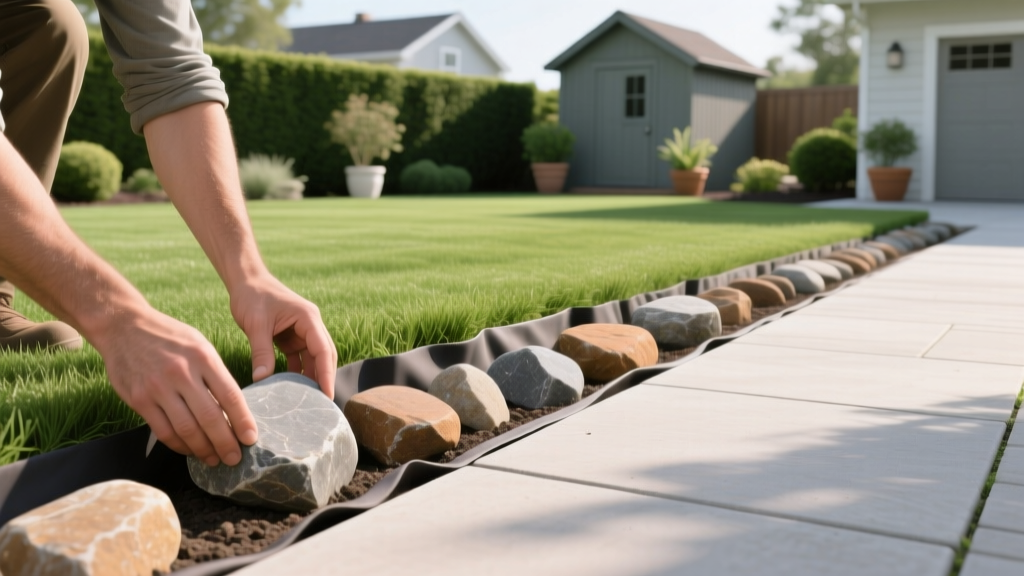
Step-by-Step Guide to Installing River Rock Lawn Edging
The Case for River Rock Edging in Lawn Maintenance
String trimming along garden beds damages turf crowns, scatters mulch onto the grass, and creates endless weekend maintenance chores. River rock edging provides a permanent, low-maintenance physical barrier that separates your lawn from landscape beds while improving drainage and eliminating the need for mechanical edging. When installed correctly, a river rock border stops turf rhizomes from invading beds and prevents hardwood mulch from washing into the grass during heavy rains.
However, simply dumping rocks along the grass line is a recipe for failure. Without proper trenching and subsurface preparation, rocks will sink into the soil, weeds will penetrate from below, and lawn mower tires will scatter the stones. This guide details the exact step-by-step procedures, material specifications, and long-term maintenance protocols required to install a professional-grade river rock lawn edge.
Material Selection and Cost Breakdown
Selecting the correct rock size and subsurface fabric is the most critical decision in this process. According to research published by Oregon State University Extension, inorganic mulches like river rock require a permeable geotextile barrier to prevent soil migration while allowing water infiltration.
| Material | Specification | Estimated Cost | Purpose |
|---|---|---|---|
| River Rock | 1.5 to 3-inch diameter, washed | $80 - $150 per ton | Surface barrier; large enough to resist mower suction and foot traffic. |
| Landscape Fabric | 3.2 oz to 4.1 oz woven polypropylene | $0.50 - $0.80 per sq. ft. | Weed suppression and soil separation. Must be woven, not solid plastic. |
| Landscape Staples | 6-inch galvanized U-staples | $15 per 50-pack | Anchoring fabric to prevent shifting and buckling under rock weight. |
| Pre-Emergent Herbicide | Prodiamine 65 WDG | $40 - $60 per bottle | Prevents weed seeds blown onto rocks from germinating in the fabric weave. |
Total Project Cost: For a standard 50-linear-foot edging project (2 feet wide), expect to spend between $225 and $400 on materials, assuming DIY labor. Professional installation typically ranges from $4.50 to $8.00 per linear foot.
Step-by-Step Installation Procedure
Phase 1: Marking and Trenching
- Mark the Boundary: Use a garden hose to outline the curve of the bed. Once satisfied, spray the grass side of the hose with inverted marking paint. Allow 24 hours to visualize the curve before cutting.
- Cut the Turf Edge: Using a half-moon edger or a gas-powered stick edger, cut a vertical 90-degree line directly into the soil along the paint mark. This clean cut prevents the grass from tearing and ensures a sharp boundary.
- Excavate the Trench: Dig a trench 4 inches deep and 6 to 8 inches wide (depending on your desired rock exposure). Remove all grass roots, rhizomes, and large debris. If you are dealing with aggressive grasses like Bermuda or Zoysia, extend the trench depth to 6 inches to sever deep rhizomes.
- Grade the Base: Rake the soil at the bottom of the trench so it slopes slightly away from any nearby structures. Tamp the soil down with a hand tamper to create a firm, compacted base. This prevents the rocks from sinking unevenly over time.
Warning: Never use solid black plastic sheeting as a weed barrier under river rock. As noted by experts at Fine Gardening, plastic blocks water and oxygen from reaching the soil, creating anaerobic conditions that kill beneficial soil microbes and cause water to pool and flood your lawn edge.
Phase 2: Fabric and Anchoring
- Roll the Fabric: Unroll the woven polypropylene fabric down the trench. Ensure the fabric extends 1 inch up the grass-side wall and 2 inches up the bed-side wall.
- Overlap Seams: If multiple pieces are needed, overlap them by at least 3 inches to prevent weeds from pushing through the gaps.
- Pin and Secure: Drive 6-inch galvanized U-staples through the fabric every 2 linear feet. Place extra staples along the seams and at all corners. The fabric should be pulled taut against the soil; any wrinkles will create pockets where rocks will shift and expose the soil.
Phase 3: Rock Distribution
- Calculate Volume: For a 2-foot wide trench that is 4 inches deep, you need roughly 0.25 cubic feet of rock per linear foot. A standard 50-lb bag covers about 3 square feet at a 2-inch depth.
- Pour and Spread: Carefully pour the washed river rock into the trench. Do not dump heavy wheelbarrow loads directly onto the fabric, as the impact can tear the weave. Use a steel landscape rake to spread the rock to a uniform depth of 2 to 3 inches.
- Level the Transition: The top of the rock layer should sit exactly 0.5 inches below the mowing height of your lawn. This allows lawn mower wheels to glide over the rocks without scalping the adjacent grass or throwing stones into the mowing deck.
Ongoing Maintenance and Weed Management
River rock edging is not entirely 'install and forget.' Organic matter will eventually accumulate on top of the fabric, creating a medium for weed seeds. Implement these maintenance procedures to keep the edge pristine:
- Leaf and Debris Clearing: During autumn, use a backpack leaf blower to clear leaves from the rocks. Hold the blower nozzle at a 30-degree angle to the ground. Blowing at a steep 90-degree angle will displace the smaller rocks and expose the fabric.
- Spring Pre-Emergent Application: In early spring, before soil temperatures reach 55°F, apply a granular or liquid pre-emergent herbicide (such as Prodiamine) directly over the rock edging. The Environmental Protection Agency (EPA) notes that pre-emergents create a chemical barrier that stops wind-blown weed seeds from germinating in the organic dust trapped between the rocks.
- Spot Treatment: If perennial weeds like dandelion or nutsedge manage to push through the fabric weave, do not pull them by hand; pulling will tear the fabric. Instead, spot-treat the weed with a systemic post-emergent herbicide containing glyphosate or imazapyr, applying carefully with a sponge wand to avoid drift onto the lawn.
- Rock Topping: Every 4 to 6 years, the rock layer will settle and thin out. Plan to add a 0.5-inch top-dressing of fresh river rock to maintain the 2.5-inch total depth.
Common Failure Modes and Troubleshooting
| Symptom | Root Cause | Corrective Action |
|---|---|---|
| Rocks disappearing into the soil | Non-woven fabric degraded or no fabric used; clay soil expansion. | Excavate a 2-foot section, remove sunken rocks, install new 4.1 oz woven fabric, and replace rocks. |
| Grass invading the rock bed | Trench was not deep enough to sever rhizomes; edge not maintained. | Re-cut the vertical turf edge to 6 inches deep. Apply a targeted grass killer (like Fluazifop) to the rock side of the trench. |
| Water pooling on the rocks | Trench base was not graded; fabric is clogged with silt. | Remove rocks, rake out silt from the fabric surface, re-grade the soil base to a 2% slope, and replace rocks. |
| Mower throwing rocks | Rock size is too small (under 1 inch) or rock layer is too high. | Remove pea gravel/small rocks and replace with 2-3 inch river rock. Rake rocks down so they sit 0.5 inches below grass height. |
Pro Tip: If your lawn is on a steep slope, standard river rock will wash out during heavy storms. In these scenarios, install a 4-inch hidden plastic bender board on the downhill side of the trench before laying the fabric. This creates a physical retaining wall that keeps the rocks contained while remaining invisible once the project is finished.
Final Thoughts on Lawn Integration
Integrating river rock edging into your lawn maintenance program drastically reduces the time spent string trimming and edging. By adhering to strict trench dimensions, utilizing heavy-duty woven polypropylene fabric, and selecting properly sized washed stones, you create a functional boundary that protects your turf and elevates the landscape design. Consistent seasonal maintenance, particularly pre-emergent herbicide applications and proper leaf blowing techniques, will ensure the installation remains flawless for decades.

