
Lawn Care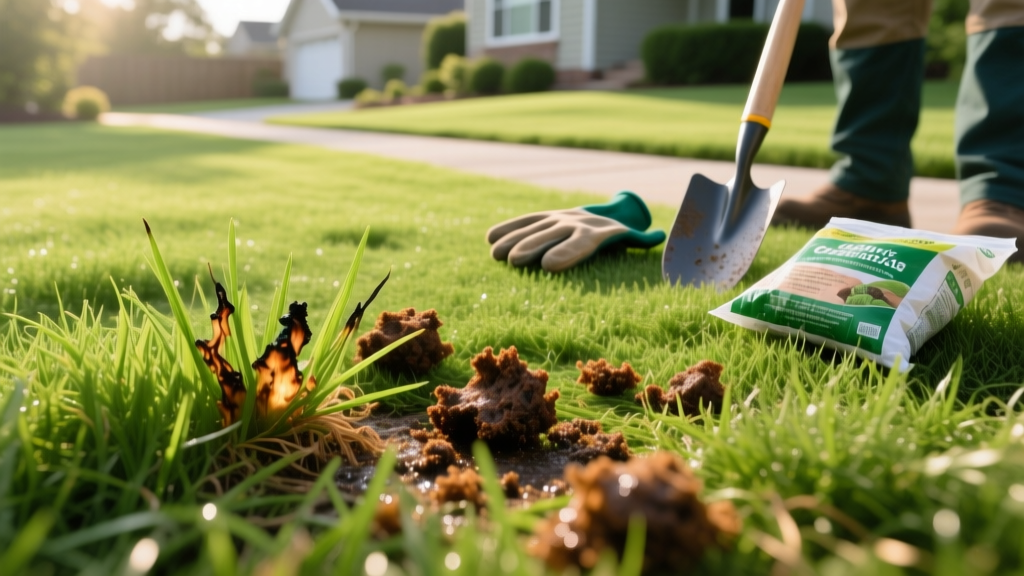
Is Dog Feces Good for Grass? Why It Burns Lawns and How to Fix It
The Direct Answer: Why Dog Waste is Toxic to Turf
To answer the question directly: no, dog feces is not good for grass. Unlike herbivore manure (such as cow or horse droppings), which is often used as a nutrient-rich fertilizer, dog waste is highly toxic to turfgrass. Leaving dog feces on your lawn will not fertilize it; instead, it will cause severe nitrogen burn, alter soil pH, and introduce dangerous pathogens into your yard's ecosystem.
The fundamental reason for this lies in canine biology and diet. Dogs are omnivores with a heavily protein-based diet. When a dog digests high-protein kibble or raw meat, the metabolic breakdown of those proteins produces high concentrations of nitrogenous waste and uric acid. When this waste is deposited on your lawn, it acts as a chemical burn agent rather than a slow-release organic fertilizer.
The Biological Divide: Carnivore vs. Herbivore Waste
Many homeowners mistakenly equate dog feces with the cow manure they buy in bags at the garden center. This is a critical misunderstanding of soil chemistry. Herbivores consume cellulose-rich diets (grasses and hay). Their digestive systems ferment this plant matter, resulting in waste that is high in carbon, relatively low in concentrated nitrogen, and teeming with beneficial soil microbes.
Dogs, conversely, produce waste that is highly acidic (typically ranging from a pH of 5.5 to 6.5) and densely packed with unbuffered nitrogen salts. When these salts accumulate in the soil profile, they draw moisture out of the grass roots through osmosis, effectively dehydrating and killing the turf from the root zone up.
| Metric | Dog Feces | Composted Cow Manure |
|---|---|---|
| Primary Diet | High Protein / Fat | Cellulose / Grass |
| Nitrogen Release | Rapid, highly concentrated salts | Slow-release, organic |
| Average pH Level | 5.5 - 6.5 (Acidic) | 7.0 - 8.0 (Neutral to Alkaline) |
| Fecal Coliforms | ~23 million per gram | Negligible (post-composting) |
Identifying Feces Burn vs. Urine Burn on Your Lawn
While both dog urine and feces damage grass, they present distinct visual symptoms that require slightly different remediation approaches. Correctly identifying the source of the damage is the first step in lawn recovery.
Symptom Checklist: Feces vs. Urine
- Feces Damage: Appears as a localized, crusty brown or black patch directly beneath where the waste sat. The grass blades are often matted down and decaying. The kill zone is usually confined to a 2-to-3-inch radius.
- Urine Damage: Appears as a distinct yellow or straw-colored dead spot, often surrounded by a vibrant, dark green "halo" of rapidly growing grass. The halo occurs because the outer edges of the urine splash received a diluted dose of nitrogen, acting as a fertilizer, while the concentrated center burned the turf.
The Pathogen Hazard: Beyond Cosmetic Damage
The damage dog feces inflicts on your lawn extends far beyond brown patches. Uncollected pet waste is a significant environmental and public health hazard. According to the Environmental Protection Agency (EPA), pet waste is a major contributor to nonpoint source pollution. When left on the grass, rainwater washes fecal coliform bacteria, nitrogen, and phosphorus into storm drains, which ultimately contaminate local waterways.
Furthermore, dog feces is a primary vector for Toxocara canis (canine roundworm). The Centers for Disease Control and Prevention (CDC) notes that roundworm eggs shed in dog feces can survive in the soil for years. If children play in the contaminated grass or soil and accidentally ingest the microscopic eggs, it can lead to toxocariasis, a condition that can cause vision loss and organ damage. Leaving dog waste on the lawn to "break down naturally" is a severe health risk, not a viable composting strategy.
The 4-Step Remediation Protocol for Feces-Damaged Turf
If your lawn is already suffering from localized feces burn, follow this precise remediation sequence to neutralize the soil and encourage regrowth.
- Physical Extraction: Remove the solid waste immediately using a scooper. Do not use a rake, as this will grind the waste into the soil profile and spread the nitrogen salts and pathogens over a wider surface area.
- Salt Flushing (The Dilution Protocol): Once the solid matter is removed, flush the affected soil with 1.5 to 2 gallons of fresh water. This volume is necessary to push the concentrated nitrogen salts and uric acid deep below the root zone (past the top 6 inches of soil), preventing further osmotic dehydration of the roots.
- Gypsum Application: Apply pelletized gypsum (calcium sulfate) to the flushed area at a rate of 2 lbs per 100 square feet. Gypsum does not alter soil pH, but the calcium replaces the sodium in the soil profile, improving soil structure, reducing salt toxicity, and promoting better water infiltration.
- Overseeding: Wait 7 to 10 days after flushing and applying gypsum. Loosen the top 1/4 inch of soil with a hand cultivator and overseed the bare patch with a dog-tolerant grass seed blend. Keep the seed consistently moist until germination occurs.
Selecting Dog-Resistant Grass Species
If you own dogs, your choice of turfgrass dictates how well your lawn will withstand inevitable waste exposure. Some species have deep root systems and high wear tolerance, while others are highly susceptible to nitrogen burns.
Cool-Season Grasses (Northern Climates)
- Tall Fescue: The most urine- and feces-resistant cool-season grass. Its deep root system (often reaching 2 to 3 feet) allows it to dilute and withstand surface-level nitrogen spikes.
- Perennial Ryegrass: Highly tolerant of nitrogen burns and recovers rapidly from damage due to its aggressive germination and growth rates.
- Kentucky Bluegrass: Avoid if possible. It has a shallow root system and is highly susceptible to both urine and feces burn, resulting in persistent dead patches.
Warm-Season Grasses (Southern Climates)
- Bermudagrass: Excellent wear tolerance and moderate resistance to waste burn. It spreads aggressively via stolons and rhizomes, allowing it to quickly fill in small damaged areas.
- Zoysiagrass: Very dense and durable, but slow to recover from severe nitrogen burns. Best suited for dogs that are trained to use a specific hardscape or mulch potty zone.
Warning on Dietary Supplements: Many commercial products claim to alter your dog's urine pH or reduce nitrogen output to "save your lawn." Veterinary professionals generally advise against these supplements. Attempting to alter a dog's systemic pH or restrict necessary protein intake to protect grass can lead to severe urinary tract issues, including bladder stones. Focus on lawn-side management and designated potty zones instead of altering your dog's biology.
Frequently Asked Questions
Does dog feces attract lawn pests?
Yes. Uncollected dog waste attracts flies, ants, and rodents. More importantly, it draws turf-destroying insects like grubs, which feed on the decaying organic matter and the fungi that break it down, eventually moving on to consume your grass roots.
Can I compost dog waste for my garden?
Dog waste should never be added to standard home compost bins or used on edible gardens. Most home compost piles do not reach the sustained 165°F (74°C) internal temperature required to kill dangerous pathogens like E. coli, Salmonella, and roundworm eggs. If you must compost it, use a dedicated, sealed anaerobic digester system and apply the resulting compost only to non-edible ornamental beds.
How fast does dog feces break down in the grass?
Depending on moisture and temperature, it can take 9 weeks to over a year for dog feces to fully decompose in a lawn environment. However, the nitrogen burn and pathogen leaching occur within the first 48 to 72 hours of deposition, long before the physical waste disappears.

