
Lawn Care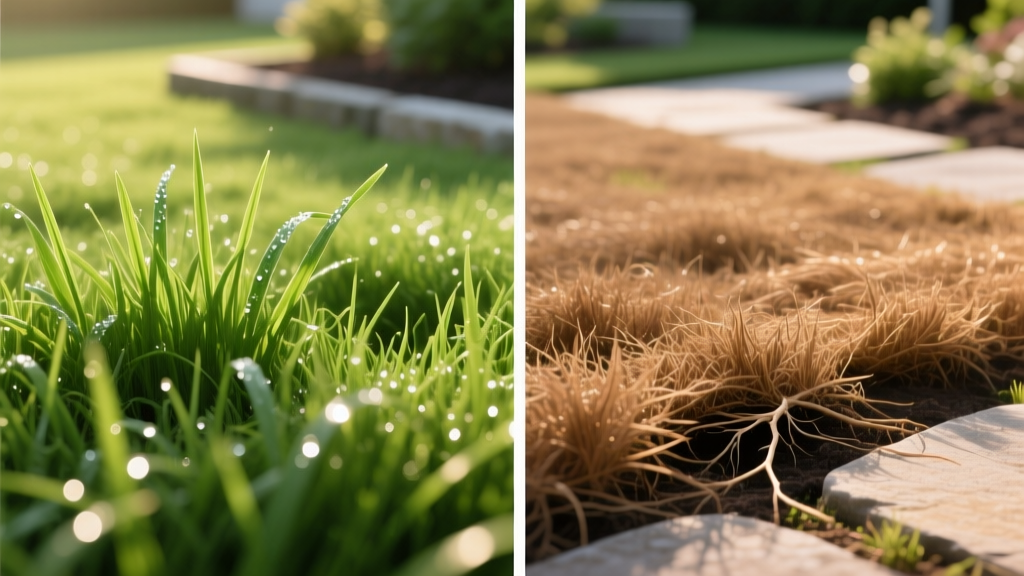
Is Grass Alive When It Turns Brown? Dormant vs Dead
The Biological Reality of Brown Grass
When a lawn turns brittle and brown, the immediate assumption is often that the turf has died. However, grass is a highly resilient perennial organism equipped with a biological survival mechanism called dormancy. To answer the question 'is grass alive' when it looks entirely desiccated, you must look past the leaf blades and examine the crown and root system. Dormancy is not a disease or a failure; it is a calculated metabolic shutdown designed to preserve the plant's core growing point—the crown—during periods of environmental stress, such as extreme heat, prolonged drought, or freezing winter temperatures.
According to turfgrass science principles outlined by the UC Agriculture and Natural Resources integrated pest management program, a healthy lawn can survive significant above-ground tissue loss as long as the crown remains hydrated and viable. The challenge for homeowners is distinguishing between a lawn that is safely dormant and one that has suffered fatal cellular damage.
Dormancy Triggers: Cool-Season vs. Warm-Season Turf
The threshold for entering dormancy depends entirely on your grass species. Misidentifying your grass type leads to incorrect assumptions about whether the brown turf is alive or dead. Cool-season grasses shut down during high heat or deep winter freezes, while warm-season grasses shut down when autumn soil temperatures drop.
| Grass Category | Common Species | Primary Dormancy Trigger | Maximum Survival Without Water |
|---|---|---|---|
| Cool-Season | Kentucky Bluegrass, Tall Fescue, Perennial Ryegrass | Soil temps below 45°F or prolonged air temps above 85°F | 3 to 4 weeks of severe summer drought |
| Warm-Season | Bermudagrass, Zoysia, St. Augustine, Centipede | Soil temps dropping below 55°F (typically post-first frost) | Several months (natural winter dormancy) |
Turfgrass fact: A dormant Kentucky Bluegrass lawn can lose up to 75% of its root mass during a severe summer drought, yet still regenerate from the crown once soil moisture is restored, provided the dormancy period does not exceed roughly 30 days.
The 3-Step Field Test: How to Tell if Grass is Alive
Do not rely on the color of the grass blades to determine viability. Dead grass and dormant grass look identical from a standing position. Use these three diagnostic tests to confirm the status of your turf.
1. The Tug Test (Root Anchorage Check)
Grab a handful of brown grass near the soil line and pull upward with moderate, steady pressure. If the grass pulls out effortlessly with zero resistance and the roots look short, dark, and shriveled, the plant is dead. If you feel significant resistance and the grass refuses to detach from the soil, the root system is still anchored and alive, drawing whatever minimal moisture remains from the earth.
2. The Crown Inspection (The Definitive Test)
The crown is the thick, white base of the grass plant located exactly at the soil line. Use a trowel to dig up a 2-inch soil plug from a brown patch. Wash the dirt away and slice the crown in half with a razor blade or thumbnail.
- Alive (Dormant): The center of the crown is pale white, firm, and slightly moist.
- Dead: The center of the crown is brown, mushy, completely desiccated, or hollow.
3. The Soil Moisture Probe Test
Dormant grass still requires a baseline level of soil moisture to keep the crown alive. Insert a 6-inch steel soil moisture probe (or a standard flathead screwdriver) into the ground. If you cannot push it past the first two inches, the soil is hydrophobic and bone-dry, meaning the crown is at imminent risk of desiccation. A healthy dormant lawn should have moisture present at least 4 inches deep.
💡 Pro Tip: For precise readings, use a dedicated analog moisture meter like the Rapitest Soil Moisture Meter (typically under $15). Insert the probe to a 4-inch depth; a reading in the 'dry' zone for more than 14 consecutive days during summer heat indicates the crown is dying, not just dormant.
Revival Protocol: Waking Up a Dormant Lawn
Once you have confirmed the grass is alive and merely dormant, you must execute a careful revival protocol. Flooding a dormant lawn with water and fertilizer will shock the system and promote fungal pathogens like Pythium blight.
Step 1: Break Soil Hydrophobicity
Severely dry soil becomes hydrophobic, meaning water will pool on the surface and run off rather than penetrating to the crown. Before turning on the sprinklers, apply a liquid soil wetting agent. Products containing alkylpolyglucoside (such as Lesco Hydro-Way or Aqua-Aid, costing roughly $45 to $60 per gallon) lower the surface tension of water, allowing it to infiltrate compacted, dry soil profiles immediately.
Step 2: Calculate Exact Hydration Requirements
To break summer dormancy, the soil profile must be rehydrated to a depth of 6 inches. This requires approximately 1 inch of water, which translates to 0.62 gallons per square foot.
- For a 500 sq. ft. patch: Apply 310 gallons.
- For a 1,000 sq. ft. lawn: Apply 620 gallons.
Do not apply this all at once. Apply 0.25 inches of water every other day for four days. Use a standard plastic rain gauge placed in the sprinkler zone to measure exact output. The University of Minnesota Extension recommends early morning watering (between 4:00 AM and 8:00 AM) to minimize evaporative loss and reduce the window of leaf wetness that invites disease.
Step 3: Delay Nitrogen Application
Wait until you see visible green shoots emerging from the crown before applying any nitrogen fertilizer. Applying high-nitrogen synthetic fertilizers (like a 32-0-4 blend) to a dormant lawn forces the plant to expend stored carbohydrate reserves on top-growth before the root system is capable of supporting it, often resulting in total plant collapse.
⚠️ Critical Warning: Never mow a dormant lawn lower than 3 inches. Scalping a dormant lawn exposes the delicate crown to direct UV radiation, accelerating moisture loss and pushing the plant from a state of reversible dormancy into irreversible death.
Frequently Asked Questions
Can grass survive being completely brown for a month?
Cool-season grasses like Tall Fescue can survive 3 to 4 weeks of total summer dormancy without irrigation, provided the soil retains deep moisture. Warm-season grasses like Bermudagrass can remain entirely brown and dormant for 4 to 5 months during winter without suffering any cellular damage.
Does dormant grass still grow?
No. During true dormancy, cellular division in the meristematic tissues halts entirely. The plant is in a state of suspended animation, focusing solely on maintaining the viability of the crown and primary root nodes. You will not need to mow a truly dormant lawn.
Why is my grass brown but the soil is wet?
If the soil is adequately moist but the grass is brown and fails the tug test, the turf is likely dead from a soil-borne pathogen (such as Take-All Root Rot or Brown Patch fungus) or severe grub damage, rather than environmental dormancy. Inspect the root zone for white grubs or blackened, rotting roots.

