
Lawn Care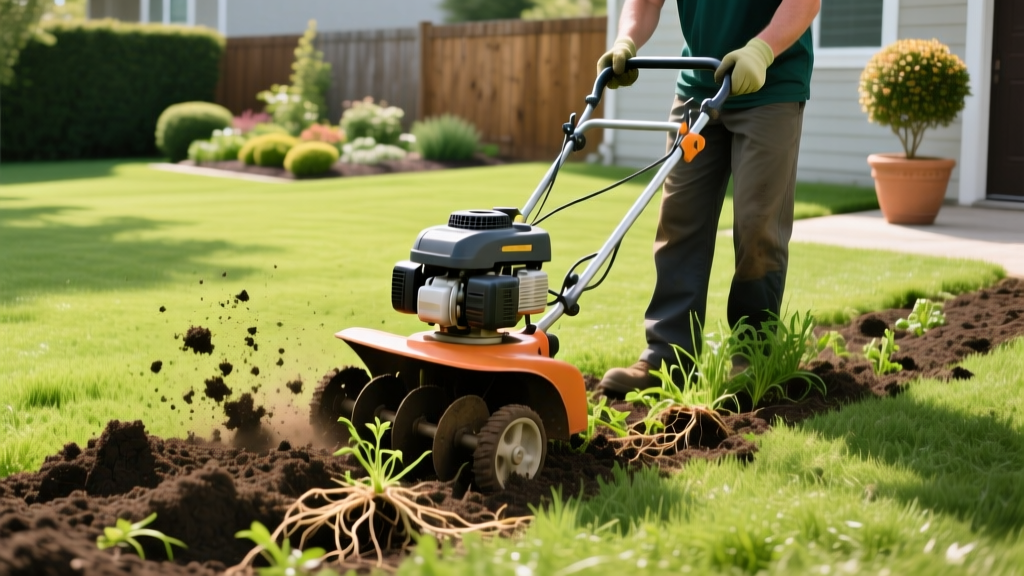
Is a Tiller Good for Digging Out Weeds in Your Lawn?
The Short Answer: Why Tilling Usually Makes Weed Problems Worse
If you are asking whether a tiller is good for digging out weeds in an established lawn or a garden bed infested with perennial weeds, the short answer is no. Using a rototiller to eradicate weeds is one of the most common and costly mistakes homeowners make during lawn renovation. While a tiller excels at breaking up compacted soil and preparing bare dirt for planting, running its tines through a weedy lawn acts as a mechanical weed multiplier rather than an eradication tool.
For annual weeds that have not yet gone to seed, tilling might bury them deeply enough to prevent germination. However, for perennial weeds—which are the primary culprits in lawn destruction—tilling chops their complex root systems into dozens of viable fragments. Instead of removing one weed, you inadvertently plant fifty new ones. To understand why this happens and what you should do instead, we must examine the biological mechanics of weed propagation and soil seed banks.
The Biology of Weed Propagation: Chopping Rhizomes and Stolons
Perennial weeds survive and spread primarily through underground stems called rhizomes, above-ground runners called stolons, and specialized structures like tubers and bulbs. When you ask if a tiller is good for digging out weeds, you must consider the specific weed species present in your soil.
- Quackgrass (Elymus repens): This aggressive cool-season weed spreads via white, fleshy rhizomes. A single inch of quackgrass rhizome containing just one node can generate an entirely new plant. Tilling a 100-square-foot area infested with quackgrass can chop a few dozen parent plants into thousands of viable fragments, resulting in a denser infestation within three weeks.
- Yellow Nutsedge (Cyperus esculentus): Nutsedge reproduces through small, hard tubers (nutlets) located 6 to 12 inches deep in the soil profile. Tilling brings these dormant tubers to the surface and scars their hard outer shells, which actually stimulates germination.
- Field Bindweed (Convolvulus arvensis): Bindweed features a massive, brittle taproot system that can extend 10 feet deep. Tilling only severs the top 8 inches of the root, leaving the rest intact to send up aggressive new shoots.
The Weed Seed Bank Effect: Bringing Dormant Seeds to the Surface
Beyond vegetative reproduction, tilling drastically disrupts the soil's natural stratification. According to research from the UC Agriculture and Natural Resources Statewide Integrated Pest Management Program, soil contains a 'weed seed bank' consisting of thousands of dormant seeds per square foot. Many common lawn and garden weeds, such as lambsquarters, pigweed, and crabgrass, require light exposure to trigger germination.
The Inversion Problem: When a rear-tine or front-tine tiller flips the soil profile, it burges current surface weeds but brings deeply buried, dormant weed seeds into the top two inches of soil. Once exposed to sunlight and oxygen, these seeds germinate rapidly, creating a massive flush of new weeds exactly where you tried to clear them.
Tiller Types and Weed Spread Risk Matrix
Not all tilling equipment interacts with the soil in the same way. If you must use mechanical cultivation, understanding the risk profile of your equipment is critical.
| Equipment Type | Tine Depth | Weed Spread Risk | Best Application |
|---|---|---|---|
| Mini-Cultivator | 2 - 4 inches | Moderate | Scratching topsoil between established crop rows; avoids deep rhizomes. |
| Front-Tine Tiller | 6 - 8 inches | High | Breaking new ground; high risk of chopping and spreading shallow rhizomes. |
| Rear-Tine Tiller | 8 - 12 inches | Severe | Deep soil inversion; brings deep seed banks to surface and chops deep taproots. |
| Power Harrow | 4 - 6 inches | Low-Moderate | Pulverizes soil vertically without inverting layers; minimizes seed bank exposure. |
When Is Tilling Actually Appropriate for Weed Control?
There are highly specific scenarios where tilling is an acceptable weed management strategy, provided it is paired with follow-up protocols:
- Bare Dirt Preparation (Pre-Planting): If you are converting a weedy field into a vegetable garden, tilling can be used only after the existing vegetation has been killed via solarization or systemic herbicides. The tiller is then used to incorporate organic matter, not to kill live weeds.
- Stale Seedbed Technique: Farmers and advanced gardeners till the soil to bring weed seeds to the surface, allow them to germinate for 10 to 14 days, and then shallowly hoe or flame-weed the new sprouts without disturbing the soil again. This depletes the top layer of the seed bank.
- Winter Cover Crop Incorporation: Tilling is excellent for terminating and burying annual cover crops (like winter rye or crimson clover) in early spring before they set seed.
Superior Alternatives to Tilling for Lawn Renovation
If your goal is to clear a weedy area to lay new sod, plant grass seed, or install landscaping, skip the tiller rental ($50 to $75 per day) and utilize methods that remove or destroy the weed without fragmenting the root system.
1. Mechanical Sod Cutting
Renting a walk-behind sod cutter ($75 to $95 per day at most home improvement centers) is the most effective mechanical way to clear a weedy lawn. A sod cutter uses a horizontal blade to slice through the soil 1.5 to 2.5 inches below the surface, removing the entire weed mat, grass, and shallow rhizomes in continuous rolls. You can then roll up the weedy sod and dispose of it, leaving a clean, flat soil base that has not been inverted or churned.
2. Soil Solarization and Smothering
For severe infestations of bindweed, bermudagrass, or nutsedge, physical exhaustion is required. Mow the area as short as possible, water the soil deeply to encourage active growth, and cover the area with 6-mil clear polyethylene plastic (for solarization in hot climates) or heavy overlapping cardboard topped with 4 inches of wood chips (for smothering). Solarization traps heat, raising soil temperatures to 140°F at a 2-inch depth, which cooks weed seeds, rhizomes, and soil-borne pathogens. Leave the plastic in place for 4 to 6 weeks during peak summer heat.
3. Targeted Systemic Herbicides
Following EPA Integrated Pest Management Principles, chemical control should be used judiciously. For total lawn renovation, applying a non-selective, systemic herbicide containing 41% glyphosate will translocate down into the root systems of perennial weeds, killing the rhizomes and tubers completely. Wait 10 to 14 days for the weeds to brown and die, then rake away the dead debris and seed or sod directly into the undisturbed soil.
Renovation Decision Framework
If dealing with Annual Weeds (Crabgrass, Spurge): Use a sod cutter or apply a pre-emergent herbicide after renovation.
If dealing with Perennial Rhizomes (Quackgrass, Bermudagrass): Use systemic herbicide or 6-week solarization. Never till.
If dealing with Deep Tubers (Nutsedge): Apply a halosulfuron-methyl based herbicide, or use clear plastic solarization for 6+ weeks.
If preparing a vegetable bed from bare, weed-free soil: Use a rear-tine tiller to incorporate 2 inches of compost.
Final Thoughts on Soil Disturbance
Preserving soil structure is paramount for long-term lawn health. Tilling destroys soil aggregates, accelerates the decomposition of vital organic matter, and harms beneficial mycorrhizal fungi networks. By abandoning the tiller for weed removal and opting for extraction, smothering, or targeted chemical control, you protect the soil architecture and prevent turning a manageable weed problem into a multi-year eradication nightmare.

