
Lawn Care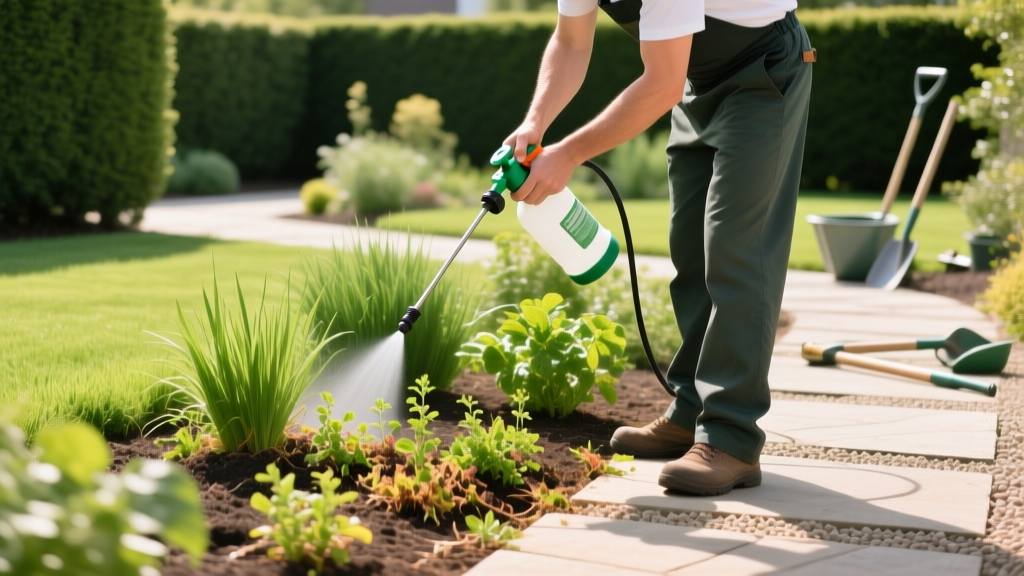
How to Keep Weeds Out of Garden Beds: Species Spot-Treatment
The Surgical Approach: Spot-Treatment vs. Broadcast Application
Maintaining a pristine lawn is fundamentally different from managing ornamental or vegetable garden beds. When figuring out how to keep weeds out of garden spaces, the standard broadcast spraying methods used on open turf will quickly result in phytotoxicity, stunted growth, or total death of your desirable plants. Garden beds require a surgical approach: species-specific spot treatments combined with physical and chemical barriers tailored to the immediate root zones of your ornamentals.
The primary challenge in garden beds is herbicide drift and soil residual activity. Non-selective herbicides like glyphosate will kill any plant tissue they contact, while broadleaf herbicides containing 2,4-D or dicamba can linger in the soil or volatilize in high heat, damaging shallow-rooted shrubs like azaleas and hydrangeas. According to the University of California Integrated Pest Management (UC IPM) program, successful garden weed management relies on accurately identifying the weed species and selecting an active ingredient that targets the weed's specific biological vulnerabilities without harming the surrounding soil ecology.
⚠️ CRITICAL WARNING: Herbicide Volatilization
Never use ester-based formulations of 2,4-D or dicamba near garden beds when ambient temperatures exceed 85°F. Esters vaporize in high heat and drift invisibly, causing severe leaf-cupping and necrosis in sensitive broadleaf plants like tomatoes and redbuds. Always select amine-based formulations for spot treatments near edible or ornamental gardens during the summer months.
Species-Specific Spot Treatment Matrix
Different weeds require entirely different chemical and mechanical strategies. The University of Minnesota Extension emphasizes that misidentifying a grassy weed as a broadleaf weed, or treating a perennial sedge with a contact herbicide, guarantees failure. Use the matrix below to select the correct spot-treatment protocol.
| Weed Species | Active Ingredient | Product Example & Cost (2026) | Application Method |
|---|---|---|---|
| Yellow Nutsedge | Halosulfuron-methyl | SedgeHammer+ (13.5g packets, $18-$22) | Mix 1 packet per gallon. Spray directly on foliage. Systemic kill takes 14-21 days to reach tubers. |
| Field Bindweed | Quinclorac or Triclopyr | Ortho WeedClear (Quinclorac blend, ~$25/gal) | Wipe application using a sponge glove. Do not spray near desirable broadleaf roots. |
| Crabgrass | Fluazifop-p-butyl | Grass-B-Gon ($15 for 32oz ready-to-use) | Selective grass herbicide. Safe to spray directly over most broadleaf ornamentals and shrubs. |
| Broadleaf Plantain | Ammonium nonanoate | Ortho GroundClear ($25/gal concentrate) | Contact burn. Use shielded sprayer. Requires thorough coverage of the rosette center. |
Precision Application Tools for Garden Borders
The success of a spot-treatment hinges entirely on your delivery mechanism. Standard fan-nozzle pump sprayers produce fine aerosol droplets that easily drift onto desirable plants. For garden beds, you must invest in precision application tools.
1. Shielded Cone Sprayers
A shielded sprayer, such as the Chapin 1-Gallon Sure Spray with a physical cone shield (Model 20000, ~$28), physically blocks wind drift. The plastic cone rests directly on the soil, enclosing the weed. When you pump the trigger, the herbicide is contained entirely within the 4-inch diameter of the cone, making it safe to treat dandelions or spurge nestled directly beneath the canopy of a sensitive hydrangea.
2. Wipe Applicators and Sponge Gloves
For vining weeds like bindweed or morning glory that wrap around your ornamentals, spraying is impossible. Instead, use a wipe applicator. Mix a systemic herbicide (like a 2% glyphosate solution for non-edible borders) and saturate a specialized herbicide sponge glove. Physically wipe the solution onto the leaves of the weed. The plant absorbs the chemical and translocates it down to the deep taproot without risking a single drop of overspray on your prized plants.
Pre-Emergent Strategies for Ornamental Beds
Post-emergent spot treatments are reactive. To truly master how to keep weeds out of garden environments, you must disrupt the weed life cycle before germination. Pre-emergent herbicides create a chemical barrier in the top 1/2 inch of soil that inhibits cell division in germinating seeds.
- Prodiamine (Barricade 65 WDG): Highly effective for ornamental beds. Apply at a rate of 0.4 ounces per 1,000 square feet in early spring when soil temperatures consistently reach 50°F to 55°F for three consecutive days. Costs approximately $45 for a 5oz bottle, which treats over 10,000 sq ft.
- Pendimethalin (Pendulum): Excellent for established shrub beds, but carries a higher risk of stunting newly transplanted ornamentals. Water in with exactly 1/2 inch of irrigation within 48 hours of application to activate the soil barrier.
- Corn Gluten Meal (Organic Alternative): Suppresses seed germination by inhibiting root formation. Requires a heavy application rate of 20 lbs per 1,000 square feet. While less chemically potent, it doubles as a mild nitrogen fertilizer (9-0-0 NPK).
Note: Never use synthetic pre-emergents in vegetable gardens or in beds where you intend to direct-sow flower or vegetable seeds, as they cannot distinguish between weed seeds and desirable seeds.
Cultural Defenses: The 3-Inch Mulch Rule
Chemical controls must be paired with physical suppression. According to research published by Penn State Extension, maintaining a proper mulch layer is the most effective non-chemical weed deterrent available to homeowners.
"A 3-inch layer of coarse organic mulch, such as arborist wood chips, reduces weed seed germination by up to 90% by blocking the photosynthetically active radiation (PAR) that weed seeds require to trigger sprouting. Finer mulches, like shredded bark, break down too quickly and often harbor weed seeds themselves."
Ensure you maintain a 2-inch "mulch-free moat" around the base of tree trunks and shrub stems to prevent crown rot and vole damage. Replenish arborist wood chips annually to maintain the critical 3-inch depth, as they decompose and incorporate into the soil biome.
Troubleshooting Common Spot-Treatment Failures
If you are applying treatments but still seeing weeds return, evaluate these common failure modes:
- Treating Under Drought Stress: Weeds close their stomata (leaf pores) to conserve water during a drought. If you spray systemic herbicides like SedgeHammer or Quinclorac on drought-stressed weeds, the chemical sits on the leaf surface and degrades in the sun. Fix: Water the garden bed deeply 24 hours before application to ensure the weeds are actively growing and translocating nutrients (and herbicides) to their roots.
- Mowing or Cutting Before Spraying: Homeowners often trim weeds down to the soil line before spot-treating. This removes the leaf surface area required to absorb the chemical. Fix: Allow the weed to grow 2 to 3 inches of fresh, green foliage before applying your spot treatment.
- Ignoring the Soil Seed Bank: A single mature crabgrass plant can drop 150,000 seeds. If you kill the visible plant but ignore the soil seed bank, you will face a massive flush of germination the following spring. Fix: Always follow up successful post-emergent spot treatments in the fall with a late-season pre-emergent application to lock down the soil.

