
Lawn Care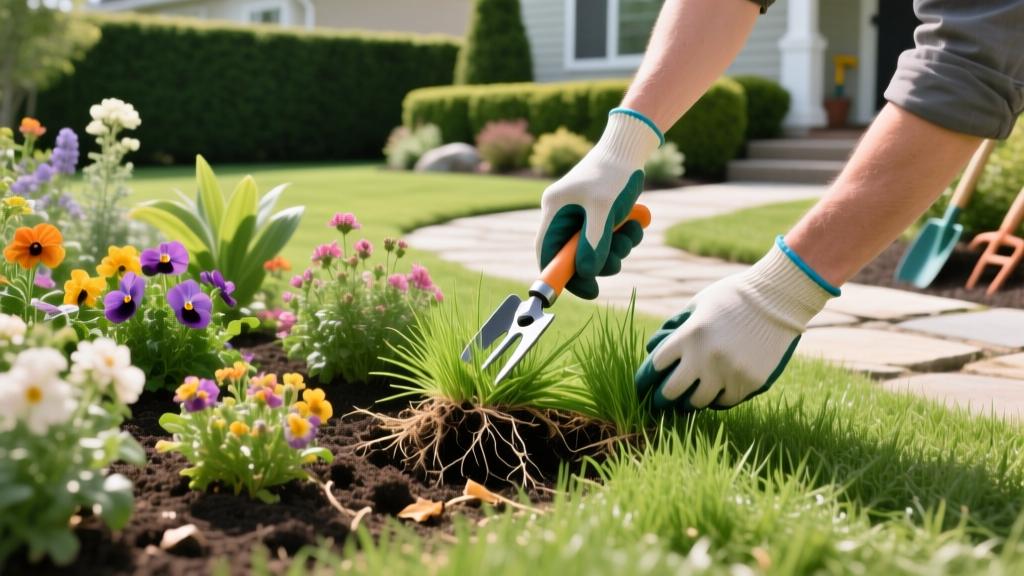
Killing Grass in Flower Beds: Step-by-Step Eradication Guide
The Root of the Problem: Why Grass Invades Flower Beds
Invasive turfgrasses like Bermuda (Cynodon dactylon), Zoysia, and Quackgrass do not respect landscape boundaries. These species spread via aggressive subsurface rhizomes and above-ground stolons, easily bypassing shallow mulch and plastic weed barriers. When grass infiltrates a flower bed, it competes directly with ornamental plants for water, nitrogen, and phosphorus. Eradicating it requires a targeted approach that kills the grass's extensive root system without causing collateral damage to the root zones of your prized perennials and shrubs.
Decision Matrix: Choosing Your Eradication Strategy
The correct method for killing grass in flower beds depends entirely on the current state of the bed and the specific grass species you are fighting. Use the matrix below to select your primary protocol.
| Method | Best Application Scenario | Time to Complete Eradication | Estimated Material Cost |
|---|---|---|---|
| Manual Trenching & Extraction | Established beds with delicate, shallow-rooted ornamentals | Immediate removal; 2-3 weeks for rhizome die-off | $25 - $45 |
| Soil Solarization | Empty beds, pre-planting prep, or severe Bermuda infestations | 4 to 8 weeks (requires high summer UV) | $40 - $70 |
| Selective Herbicide (Fluazifop) | Established broadleaf beds infested with monocot grasses | 7 to 14 days for visible necrosis | $22 - $30 |
| Targeted Glyphosate Painting | Spot treatment of stubborn grass blades near sensitive plants | 5 to 10 days | $12 - $18 |
Method 1: Physical Trenching and Edging (For Established Beds)
When dealing with established flower beds where chemical drift is unacceptable, physical extraction is the safest route. This method severs the rhizome network connecting the lawn to the bed.
Step-by-Step Execution
- Cut the Perimeter: Use a heavy-duty half-moon edger (such as the Fiskars 39-Inch Steel Edger, approx. $35) to cut a vertical trench along the bed's edge. Drive the blade at least 6 inches deep to sever creeping rhizomes.
- Angle the Trench: Create a V-shaped trench, 2 inches wide at the top and tapering to a point at the bottom. This removes the soil bridge that grass uses to cross over.
- Extract the Root Mass: Use a hand fork or a Radius Garden Ergo Weeder to carefully pry up the grass mats inside the bed. Shake off the topsoil to preserve your bed's grade.
- Install a Physical Barrier: For permanent protection against Bermuda and Zoysia, install a 4-inch deep aluminum landscape edging (like Permaloc, approx. $2.50 per linear foot). Plastic barriers degrade and are easily pierced by sharp rhizomes.
Method 2: Soil Solarization (For New or Empty Beds)
If you are renovating a bed or starting from scratch, soil solarization uses the sun's thermal energy to cook grass roots and weed seeds in the top 6 inches of soil. According to the University of California Agriculture and Natural Resources, this method can reach temperatures lethal to most turfgrass rhizomes and soil-borne pathogens.
Warning: The Clear Plastic Rule
Do not use black plastic for solarization. Black plastic absorbs heat on its surface but blocks UV rays from penetrating the soil. You must use 4-mil clear, UV-resistant polyethylene plastic. The clear plastic allows solar radiation to enter the soil and traps the re-radiated heat, pushing soil temperatures past 120°F in the top two inches and 90°F at a 6-inch depth.
Do not use black plastic for solarization. Black plastic absorbs heat on its surface but blocks UV rays from penetrating the soil. You must use 4-mil clear, UV-resistant polyethylene plastic. The clear plastic allows solar radiation to enter the soil and traps the re-radiated heat, pushing soil temperatures past 120°F in the top two inches and 90°F at a 6-inch depth.
Solarization Protocol
- Mow or string-trim the grass in the bed as short as possible.
- Irrigate the soil deeply to a 12-inch depth. Moist soil conducts heat more efficiently than dry soil.
- Lay the 4-mil clear plastic tightly over the bed, trenching the edges 6 inches deep and burying them to create an airtight seal.
- Leave the plastic in place for 4 to 6 weeks during peak summer (June through August in most US zones).
Method 3: Targeted Chemical and Organic Herbicides
When manual extraction is impossible due to dense plantings, chemical intervention is required. The Environmental Protection Agency (EPA) outlines strict guidelines for using herbicides near non-target ornamental plants. The key is selecting the right active ingredient and application method.
Selective vs. Non-Selective Application
If your flower bed consists entirely of broadleaf plants (dicots) like hostas, daylilies, or roses, and is infested with grass (monocots), you can use a selective grass herbicide. Products containing Fluazifop-P-butyl (e.g., Ortho Grass B Gon, approx. $24 for a 32oz ready-to-spray bottle) will selectively kill the grass without harming the broadleaf ornamentals. Apply it when the grass is actively growing and the ambient temperature is below 85°F to prevent volatilization.
The "Painting" Technique for Non-Selective Herbicides
If your bed contains ornamental grasses (like Miscanthus or Fountain Grass) alongside invasive turf, selective herbicides will kill your ornamentals. Instead, use a non-selective herbicide like Glyphosate (e.g., Roundup Precision Gel) and apply it via the "painting" method.
Pro Tip: Never spray non-selective herbicides in a flower bed, even on a calm day. Micro-droplets will drift and cause foliar burn on nearby ornamentals. Instead, wear a chemical-resistant sponge glove, dip your fingers in a 2% glyphosate solution, and physically wipe the grass blades. The chemical translocates down to the roots within 24 hours without risking drift.
Long-Term Prevention: The 3-Inch Mulch Rule
Killing the existing grass is only half the battle. To prevent re-infestation, you must create an environment hostile to grass seed germination and rhizome penetration. After eradication, apply a 3-inch layer of coarse hardwood mulch. Avoid pine straw or fine leaf mold, which decompose too quickly and provide a rooting medium for wind-blown grass seeds. Keep the mulch 2 inches away from the base of shrub trunks to prevent collar rot.
Troubleshooting Edge Cases and FAQs
- What if it is Nutgrass (Nutsedge) and not turfgrass? Nutsedge is a sedge, not a true grass. Fluazifop and standard grass herbicides will not kill it. You must use a product containing Sulfentrazone or manually extract the nutlets (tubers) by digging 10 inches deep, as pulling the plant leaves the tubers behind to regenerate.
- Can I use horticultural vinegar (20% acetic acid)? While 20% horticultural vinegar (approx. $35 per gallon) will burn the foliage of grass on contact, it is strictly a contact herbicide. It does not translocate to the roots. For perennial grasses with deep rhizomes, vinegar will only result in temporary top-kill, and the grass will return in 10 to 14 days.
- How do I maintain the edge after eradication? According to University of Minnesota Extension, maintaining a sharp, physical edge is the most effective cultural control for landscape weeds. Re-cut your V-shaped trench every spring and use a string trimmer to keep lawn grass from seeding over the barrier.

