
Lawn Care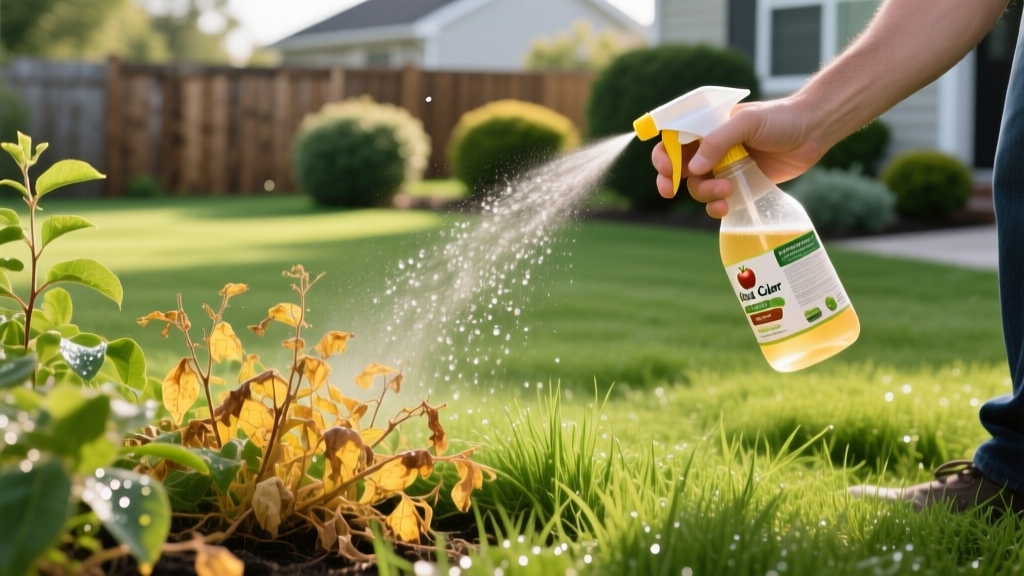
Killing Grass With Vinegar: The Ultimate Organic Herbicide Guide
When transitioning to an organic lawn care regimen, homeowners frequently ask about killing grass with vinegar to clear overgrown areas, renovate beds, or eliminate invasive turf without resorting to synthetic chemicals like glyphosate. While the concept is scientifically sound, the execution requires precise chemical concentrations, specific adjuvants, and strict safety protocols. Household vinegar will not kill established grass; achieving a complete burndown requires horticultural-grade acetic acid and a strategic application framework.
The Science of Acetic Acid as a Contact Herbicide
Acetic acid functions as a non-selective, contact burndown herbicide. When applied to foliage, it rapidly destroys plant cell membranes, causing the cellular contents to leak and the tissue to desiccate. According to the National Pesticide Information Center (NPIC), acetic acid breaks down rapidly in the environment, leaving no toxic soil residue, which makes it a cornerstone of organic land management.
However, efficacy is entirely dependent on concentration. Standard grocery store vinegar contains 5% acetic acid. This concentration is only effective on very young, tender seedlings (under two weeks old). To successfully kill mature grasses—especially resilient warm-season varieties like Bermuda or Zoysia—you must use horticultural vinegar, which contains 20% to 30% acetic acid. Because it is a contact herbicide and not systemic, it does not travel down to the roots. This distinction is the primary reason DIY vinegar applications fail when users expect a one-and-done kill on perennial grasses.
The Ultimate Vinegar Herbicide Recipe (With Exact Ratios)
To maximize the kill rate and ensure the solution sticks to the waxy cuticle of grass blades, you must combine the acetic acid with a surfactant and a penetrant. Here is the professional-grade organic recipe for 1 gallon of spray solution:
- 1 Gallon 30% Horticultural Vinegar: Sourced from agricultural suppliers (e.g., Harris, Green Gobbler). Cost: ~$25-$30 per gallon.
- 1 oz Non-Ionic Surfactant: Use a dedicated agricultural surfactant (like Southern Ag Surfactant) or 1 oz of liquid castile soap. Do not use heavy degreasing dish soaps, as they can create excessive foam in the sprayer tank and clog the nozzle.
- 1 oz Orange Oil (d-limonene): Acts as a natural penetrant, dissolving the waxy cuticle of the grass blade to allow the acid to reach the cell membranes faster.
⚠️ CRITICAL SAFETY WARNING: Handling 30% Acetic Acid
Unlike 5% kitchen vinegar, 30% acetic acid is highly corrosive. It can cause severe corneal damage, permanent eye injury, and deep chemical skin burns. You must wear splash-proof chemical goggles, heavy-duty nitrile gloves, long sleeves, and closed-toe shoes when mixing and spraying. Keep a neutralizing agent (baking soda mixed with water) nearby for accidental spills on skin or concrete.
Step-by-Step Application Protocol for Maximum Kill Rate
- Equipment Selection: Use a polyethylene (plastic) pump sprayer. Acetic acid at 30% will rapidly corrode the metal wands and internal seals of cheap or metal-lined sprayers. Ensure the wand has a fan-tip nozzle for even, overlapping coverage.
- Timing the Weather: Apply on a hot, sunny day when temperatures are above 80°F (26°C). The heat accelerates the desiccation process. Do not apply if rain is forecast within 24 hours, as the solution needs time to dry on the leaf surface to initiate cellular collapse.
- Mowing Prep: Do not mow immediately before spraying. You need maximum leaf surface area for the contact herbicide to work. Wait until the grass is at least 3 to 4 inches tall to ensure adequate absorption.
- Spraying Technique: Spray the grass until the foliage is uniformly wet and dripping slightly. Avoid overspraying onto desirable plants, as the mixture is non-selective and will burn any broadleaf or turf foliage it touches.
Vinegar vs. Commercial Organic Herbicides: Cost & Efficacy Matrix
While DIY vinegar mixes are popular, the market offers several pre-formulated organic herbicides that utilize acetic acid, clove oil, or fatty acids. Below is a comparison of the most common organic grass-kill options available in 2026.
| Product / Method | Active Ingredients | Cost per Gallon (RTU) | Efficacy on Mature Grass |
|---|---|---|---|
| DIY 30% Vinegar Mix | 30% Acetic Acid, Surfactant, d-limonene | ~$1.80 | High (Top growth), Moderate (Roots) |
| A.D.I.O.S. Organic Herbicide | Sodium chloride, acetic acid, citrus oils | ~$12.50 | High (Includes salt for root desiccation) |
| BurnOut II (St. Gabriel) | 18% Citric acid, 3% Clove oil | ~$15.00 | Moderate (Better for broadleaf weeds) |
| 20% Horticultural Vinegar (Straight) | 20% Acetic Acid (No adjuvants) | ~$6.00 | Low-Moderate (Rolls off waxy grass blades) |
Soil Health Impacts and Remediation
A common myth in organic gardening is that vinegar sterilizes the soil or permanently alters the pH, preventing future plant growth. According to guidelines on EPA's Minimum Risk Pesticides, acetic acid is highly biodegradable. Soil microbes rapidly metabolize the acid, breaking it down into water and carbon dioxide within a few days.
While a heavy application of 30% vinegar will temporarily drop the soil pH in the top inch of the topsoil, it does not penetrate deeply enough to affect the root zone of future plantings. If you are killing grass to prepare a bed for planting or laying new sod, simply wait 48 to 72 hours after the final application, water the area deeply to flush any residual acid through the soil profile, and proceed with your landscaping. If you are concerned about pH, a light dusting of pelletized limestone (at a rate of 5 lbs per 1,000 sq ft) will instantly neutralize any remaining surface acidity.
Common Failure Modes and Troubleshooting Perennial Grasses
The most frequent complaint regarding killing grass with vinegar is that the turf 'grows back in two weeks.' This is not a failure of the chemical; it is a misunderstanding of plant biology. Perennial grasses like Bermuda, Zoysia, and Kentucky Bluegrass spread via deep rhizomes and stolons. Because acetic acid is strictly a contact herbicide, it only destroys the foliage it touches. The root system remains entirely unharmed and will push up new shoots using stored carbohydrate reserves.
The 'Exhaustion' Protocol for Perennial Turf
To completely eradicate perennial grass organically, you must exhaust the root system's energy reserves. Follow this timeline:
- Day 1: Apply the 30% vinegar mixture. Foliage will brown within 12 to 24 hours.
- Day 7 to 10: Wait for new green shoots to emerge from the rhizomes (usually 1 to 2 inches tall).
- Day 11: Reapply the vinegar mixture to the new growth. This forces the roots to expend more energy pushing up shoots, which are then immediately destroyed.
- Day 21: Apply a third time if any localized green spots remain. By the third cycle, the rhizomes will have exhausted their carbohydrate reserves and the grass will die completely.
For annual grasses (like Poa annua or crabgrass), a single application of the 30% vinegar recipe is usually sufficient to achieve a 100% kill rate, as their root systems are shallow and lack significant energy reserves to mount a secondary growth response.

