Lawn Care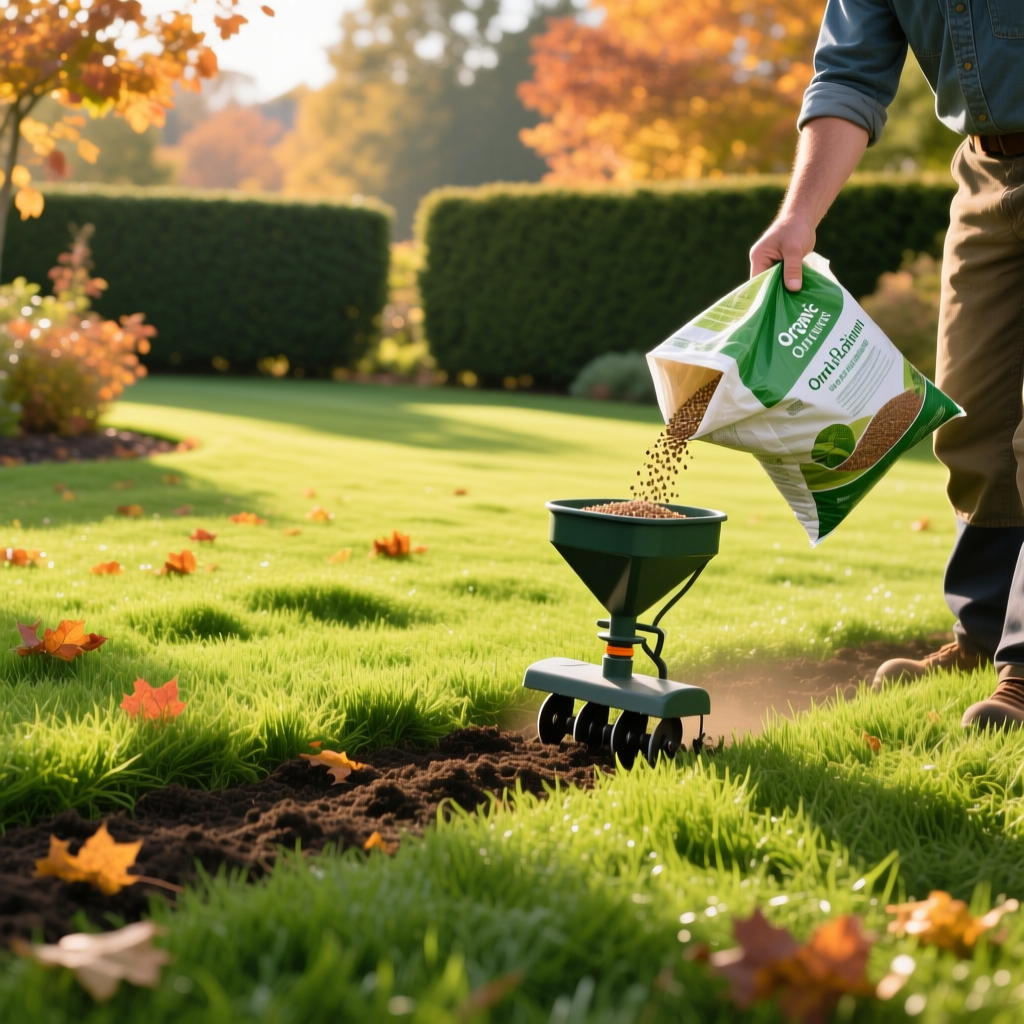
Fall Lawn Care Tips: Expert Strategies for a Healthier Lawn
Anna KowalskiPublished
Fall Lawn Care Tips: Expert Strategies for a Healthier Lawn
When it comes to building a lush, resilient lawn, autumn is arguably the most important season of the entire year. While many homeowners wind down their yard work as temperatures cool, horticulture experts like Dan Gill — a retired extension horticulturist from the LSU AgCenter known throughout the Gulf South for his practical, science-based gardening advice — have long emphasized that fall is when the real foundation for a beautiful lawn gets laid. Whether you are maintaining a warm-season grass in the South or a cool-season variety in northern climates, the actions you take during the fall months will directly determine how your lawn looks and performs the following spring and summer.
Fall lawn care is about preparation, recovery, and setting the stage. Grass plants are actively storing energy in their root systems as daylight shortens and soil temperatures begin to drop. This natural cycle creates a window of opportunity for homeowners who know what to do and when to do it. In this comprehensive guide, we will walk through the most impactful fall lawn care strategies, drawing on principles championed by extension experts like Dan Gill and backed by turfgrass science. From proper mowing height adjustments to strategic fertilization timelines, each step below is designed to give your lawn the best possible chance to thrive year after year.
If you are new to seasonal lawn maintenance, start by exploring our complete lawn care hub for foundational guidance, then dive into the fall-specific strategies below.
1. Adjust Your Mowing Strategy as Temperatures Cool
One of the most common mistakes homeowners make in fall is either stopping mowing too early or cutting the grass too short in an attempt to "clean up" the lawn before winter. Neither approach serves your turf well. Dan Gill and other extension specialists consistently advise that mowing should continue as long as the grass is actively growing — and the height at which you mow matters enormously.
Gradually Lower the Cutting Height
For warm-season grasses such as Bermuda grass, Zoysia grass, and St. Augustine grass, begin lowering your mower blade incrementally as fall progresses. The goal is to bring the grass down to a slightly shorter height than you maintained during the summer — typically around 1.5 to 2 inches for most warm-season species. This gradual reduction helps prevent matting under winter debris and reduces habitat for fungal diseases that thrive in cool, damp conditions.
For cool-season grasses like tall fescue and Kentucky bluegrass, maintain a mowing height of approximately 2.5 to 3 inches through the fall. These grasses are entering their peak growing season, and adequate leaf surface area is critical for photosynthesis and root development.
Keep Mowing Until Growth Stops
Do not put the mower away prematurely. Warm-season grasses may continue growing well into mid-autumn depending on your climate zone, and cool-season grasses can remain active until soil temperatures drop below roughly 45°F (7°C). The final mow of the season should leave the grass at the lower end of its recommended range, but never scalped. Scalping stresses the crown of the plant and leaves it vulnerable to winter injury and weed invasion.
Leave Clippings or Mulch Leaves In Place
If leaf fall is light, consider mulching leaves directly into the turf with your mower rather than bagging them. Finely chopped leaf material decomposes quickly and returns valuable organic matter and nutrients to the soil. This practice, widely recommended by turf specialists, reduces waste and improves soil structure over time. However, if leaf cover is heavy enough to smother the grass or block sunlight, rake or bag the excess to prevent dead patches.
Recommended tools: A quality mulching mower with sharp blades is essential for fall mowing. Consider upgrading to a mower with a dedicated mulching deck if you plan to incorporate leaf mulching into your routine. Sharp blades produce clean cuts that heal faster and resist disease entry — a detail that matters even more as cooler, wetter weather creates favorable conditions for pathogens.
2. Aerate and Dethatch to Relieve Soil Compaction
After a long summer of foot traffic, irrigation, and heat stress, many lawns develop compacted soil and a thick layer of thatch — the layer of dead and living organic matter that accumulates between the soil surface and the green grass blades. While a thin layer of thatch (less than half an inch) is beneficial, excessive thatch prevents water, air, and nutrients from reaching the root zone. Dan Gill has frequently highlighted core aeration as one of the single most impactful things a homeowner can do for a struggling lawn, and fall is the ideal time to perform it.
Why Fall Is the Best Time for Aeration
Core aeration involves removing small plugs of soil from the lawn to create channels for air, water, and fertilizer to penetrate deeper into the root zone. For cool-season grasses, early fall aeration coincides with peak root growth, meaning the turf recovers quickly and takes full advantage of the improved soil conditions. For warm-season grasses, early fall aeration — performed at least four to six weeks before the first expected frost — gives the lawn time to recover before dormancy.
How to Aerate Properly
Use a core aerator (also called a plug aerator) rather than a spike aerator. Spike aerators simply poke holes in the ground and can actually worsen compaction by compressing soil laterally around each hole. Core aerators, by contrast, physically remove soil cores that are typically 2 to 3 inches deep and about half an inch in diameter. Leave the extracted cores on the lawn — they will break apart naturally with rainfall and mowing, returning beneficial microorganisms and soil structure to the surface.
For best results, aerate when the soil is moderately moist — not soggy and not bone dry. Water the lawn deeply a day or two before aerating if conditions have been dry. Make two passes over the lawn in perpendicular directions for thorough coverage, paying extra attention to high-traffic areas and zones where water tends to pool after rain.
Dethatching When Necessary
If your thatch layer exceeds half an inch, consider dethatching before or immediately after aeration. For small lawns, a manual thatching rake works well. For larger areas, a power dethatcher (also called a vertical mower or verticutter) can be rented from most equipment rental centers. After dethatching, rake up the loosened material and add it to your compost pile.
Product recommendations: For homeowners with compacted clay soils, pairing aeration with a soil amendment such as gypsum or a liquid soil loosener can amplify results. Gypsum helps flocculate clay particles, improving drainage and root penetration over time. Apply gypsum according to label rates immediately after aerating so that it can work its way into the open cores.
For more on identifying and managing thatch, visit our lawn dethatching guide.
3. Overseed and Repair Thin or Bare Areas
Fall is the premier season for overseeding cool-season lawns and repairing the bare or thin patches that inevitably develop over the course of a hot summer. Even warm-season lawns can benefit from fall overseeding with a cool-season species like perennial ryegrass to maintain a green appearance through the winter months — a technique widely practiced across the transition zone and the Deep South.
Overseeding Cool-Season Lawns
If you maintain a fescue or Kentucky bluegrass lawn, early to mid-fall is the optimal window for overseeding. Soil temperatures are still warm enough to encourage rapid germination, while cooler air temperatures reduce heat stress on young seedlings. The combination of fall rains and moderate temperatures creates near-ideal establishment conditions.
Before overseeding, mow the existing lawn slightly shorter than usual and rake thoroughly to expose soil. Seed-to-soil contact is the single most critical factor in germination success. Spread seed at the rate recommended on the product label — typically 3 to 5 pounds per 1,000 square feet for tall fescue overseeding — using a broadcast spreader for even distribution. Follow immediately with light raking or dragging to work seed into the soil surface, then apply a thin layer of compost or straw mulch to retain moisture.
Overseeding Warm-Season Lawns for Winter Color
For Bermuda grass and Zoysia grass lawns that go dormant and brown in winter, overseeding with annual or perennial ryegrass provides a green carpet through the cooler months. Begin the process when daytime temperatures consistently fall into the 70s°F (low 20s°C). Scalp the dormant warm-season grass slightly to allow ryegrass seed to reach the soil, then seed at approximately 5 to 10 pounds per 1,000 square feet. Keep the seedbed consistently moist until germination is complete, which typically takes 7 to 10 days.
One important caution: do not overseed a warm-season lawn too early while it is still actively growing. The competition between the warm-season grass and the emerging ryegrass can weaken both. Wait until the base lawn has slowed significantly or entered early dormancy.
Patch Repair Techniques
For isolated bare spots, loosen the top inch of soil with a garden fork or hand cultivator, spread a thin layer of compost, sow seed generously, and cover lightly with straw or a biodegradable erosion control blanket. Water gently but thoroughly, and keep the patch consistently moist until new grass is well established. For a faster alternative, consider cutting sod plugs from a healthy area of your lawn and transplanting them into damaged spots — this works especially well with spreading grasses like St. Augustine and Bermuda.
Recommended products: Choose a high-quality seed blend matched to your region and existing grass type. Look for varieties with strong disease resistance ratings and avoid cheap seed mixes that contain high percentages of filler or weed seed. A starter fertilizer high in phosphorus (the middle number on the fertilizer bag) supports strong root development in new seedlings. Apply at the time of seeding for best results.
4. Fertilize Strategically for Root Development and Winter Hardiness
Fertilization timing is one of the areas where expert guidance makes the biggest difference, and it is a topic Dan Gill has addressed repeatedly in his columns and broadcasts. The fundamental principle is straightforward: fall fertilization should prioritize root development and carbohydrate storage over top growth. This means choosing the right nutrient balance and applying it at the right time.
Cool-Season Grass Fertilization
Cool-season grasses benefit enormously from one or two fall fertilizer applications. The first application, made in early fall (around the time you would typically overseed), should use a balanced or nitrogen-rich fertilizer to fuel the recovery from summer stress and support the vigorous growth that cool-season grasses exhibit in autumn. A second application — sometimes called a "winterizer" — is applied in late fall, after the last mowing but before the ground freezes. This late-season feeding does not produce visible top growth; instead, the nutrients are absorbed and stored in the root system, providing the energy reserves that drive early spring green-up.
A typical fall fertilizer for cool-season lawns might have an N-P-K ratio such as 32-0-10 or 24-4-12. The key is moderate to high nitrogen with some potassium, which plays a vital role in cold tolerance and disease resistance. Avoid high-phosphorus fertilizers unless a soil test indicates a deficiency — excess phosphorus contributes to water pollution and is unnecessary for established lawns.
Warm-Season Grass Fertilization
For warm-season grasses, the fertilization approach in fall is markedly different. As these grasses prepare for dormancy, heavy nitrogen applications can stimulate tender new growth that is highly susceptible to frost damage. Instead, focus on potassium. A fertilizer with a higher potassium content (such as a 5-10-30 or similar ratio) applied in early to mid-fall helps strengthen cell walls, improves cold hardiness, and supports root health through the dormant period.
Dan Gill and other southern turf experts consistently caution against late-fall nitrogen applications on St. Augustine, centipede, and other warm-season grasses. The temptation to "green up" the lawn a few more weeks is not worth the risk of winter kill or increased large patch disease pressure.
The Importance of Soil Testing
Before applying any fertilizer, a soil test is strongly recommended. Many university extension services offer affordable soil testing that provides precise recommendations for pH adjustment, lime application, and nutrient supplementation. Fall is an excellent time to apply lime if your soil test indicates acidic conditions — lime takes weeks to months to fully react in the soil, so fall applications are ready to benefit the lawn by spring. Learn more about reading and acting on soil test results in our soil testing guide.
Product recommendations: Invest in a quality broadcast spreader for uniform fertilizer application. Drop spreaders offer precision along borders and near garden beds, but broadcast spreaders cover large areas more efficiently and reduce the risk of striping. Always calibrate your spreader according to the fertilizer label, and sweep any granules that land on driveways or sidewalks back onto the lawn to prevent runoff into storm drains.
5. Manage Weeds, Pests, and Disease Before Winter Sets In
Fall is a critical period for weed control — particularly for cool-season annual weeds that germinate in autumn, overwinter as small plants, and then explode with growth in early spring. Addressing these weeds in fall, when they are small and vulnerable, is far more effective and requires less herbicide than trying to control them after they have matured.
Pre-Emergent Herbicide for Winter Annuals
Applying a pre-emergent herbicide in early fall — typically when soil temperatures drop to around 70°F (21°C) — creates a chemical barrier in the upper soil layer that prevents weed seeds from germinating. This is the primary defense against annual bluegrass (Poa annua), henbit, chickweed, and other common winter annual weeds. Timing is critical: apply too early and the barrier may degrade before the main germination flush; apply too late and the weeds will already have emerged.
For warm-season lawns, pre-emergent application in early fall is one of the most impactful things you can do to reduce weed pressure the following spring. Products containing active ingredients such as prodiamine or dithiopyr offer extended control windows and are widely available to homeowners.
Post-Emergent Control of Existing Weeds
For perennial weeds like dandelions, clover, and plantain that are still actively growing in fall, spot-treating with a selective broadleaf herbicide is highly effective. Cool-season weeds are actively transporting nutrients — and herbicides — down to their root systems in autumn, which means fall applications often achieve better kill rates than spring treatments. Choose a product labeled for your specific grass type to avoid turf damage.
Fall Disease Prevention
Cool, wet fall weather creates ideal conditions for several lawn diseases, including large patch (Rhizoctonia solani) in warm-season grasses and various leaf spot diseases in cool-season turf. Avoid overwatering in fall — as evaporation rates decrease, irrigation needs drop significantly. Water deeply but infrequently, and always water in the early morning so that grass blades dry before nightfall.
For warm-season lawns with a history of large patch, a preventive fungicide application in early fall can protect the turf before symptoms appear. Once large patch is visible, the damage has already occurred, and fungicide applications become less effective. Products containing azoxystrobin or myclobutanil are commonly recommended for residential use.
Grub and Insect Monitoring
Fall is also a good time to check for grub activity, particularly if you noticed irregular brown patches or increased animal digging (skunks, raccoons, birds) during late summer. Lift a square foot section of turf in suspect areas — if you find more than five to ten grubs per square foot, treatment may be warranted. Beneficial nematodes applied in early fall can provide biological control of grub populations without the environmental concerns associated with synthetic insecticides.
For comprehensive weed identification and control strategies, see our lawn weed control guide.
Seasonal Timing Reference for Fall Lawn Care
To help you plan your fall lawn care calendar, here is a general timing framework. Adjust dates based on your specific climate zone and local conditions:
- Early Fall (late August through September): Begin lowering mowing heights, perform core aeration, overseed cool-season lawns, apply pre-emergent herbicide, and conduct soil testing. Apply the first fall fertilizer application for cool-season grasses.
- Mid-Fall (October): Overseed warm-season lawns with ryegrass for winter color. Apply potassium-focused fertilizer to warm-season grasses. Spot-treat perennial weeds. Continue mowing as needed. Monitor for grub activity and disease symptoms.
- Late Fall (November into early December): Apply winterizer fertilizer to cool-season lawns after the last mowing. Rake or mulch remaining fallen leaves. Clean and winterize irrigation systems. Service mower and other equipment before storage. Avoid any nitrogen applications to warm-season grasses.
Remember that these windows shift based on your geography. Homeowners in northern zones will start and finish each phase earlier, while those in the Deep South may extend fall lawn care activities well into December. Local extension resources and regional lawn care guides can help you fine-tune timing for your area.
Frequently Asked Questions
Is fall really the best time to fertilize my lawn?
For cool-season grasses, absolutely. Fall fertilization supports the period of most vigorous root growth and allows the plant to build carbohydrate reserves that fuel spring green-up. Many turfgrass researchers consider the late-fall "winterizer" application to be the single most important fertilizer application of the year. For warm-season grasses, the picture is different — fall fertilization should focus on potassium for cold hardiness rather than nitrogen, and it should be completed well before the first expected frost to avoid stimulating vulnerable new growth.
Should I water my lawn in the fall?
Yes, but less frequently than in summer. As temperatures drop and daylight hours shorten, evapotranspiration rates decrease significantly. Your lawn still needs moisture — especially if you have overseeded or applied fertilizer — but overwatering in fall creates conditions favorable to fungal diseases. A general guideline is to provide approximately one inch of water per week (including rainfall) through early fall, then gradually reduce irrigation as the lawn slows its growth. Newly overseeded areas are the exception: they need consistent, light moisture until seedlings are well established.
When should I stop mowing my lawn for the season?
Continue mowing as long as the grass is actively producing new growth. For cool-season grasses, this may mean mowing into late November or even early December in mild climates. For warm-season grasses, mowing typically tapers off as the grass enters dormancy — usually when soil temperatures consistently drop below 55°F (13°C). The last mow of the season should bring the grass to the lower end of its recommended height range, but avoid scalping, which exposes the crown to cold damage and creates openings for weed seeds to settle.
Can I aerate and overseed on the same day?
Not only can you, but you should — combining aeration and overseeding is one of the most effective strategies for improving lawn density. Aerate first, then spread your seed. The holes created by the aerator provide excellent seed-to-soil contact, which dramatically improves germination rates. After overseeding, lightly drag the lawn with a mat or the back of a rake to further work seed into the aeration holes and soil surface. Follow with a light application of starter fertilizer and keep the seedbed consistently moist for the first two to three weeks.
What should I do with fallen leaves on my lawn?
The best approach depends on the volume of leaves. For light to moderate leaf fall, mulching leaves directly into the turf with a mulching mower is the most efficient and beneficial option. Finely shredded leaves decompose quickly, adding organic matter and nutrients to the soil without smothering the grass. For heavy leaf fall — particularly from large oak or sycamore trees — mulching alone may not be sufficient. In these cases, alternate between mulching and bagging, or rake excess leaves to prevent them from forming a thick mat that blocks sunlight and traps moisture against the turf. Never allow a thick layer of whole leaves to remain on the lawn through winter, as this almost guarantees dead patches and increased disease pressure by spring. Compost the raked leaves or use them as mulch in garden beds for a productive use of this valuable organic resource.
How does Dan Gill recommend handling fall lawn care in southern climates?
Dan Gill's approach to fall lawn care in the Gulf South emphasizes several key principles: avoid late-season nitrogen on warm-season grasses to prevent frost damage and disease; use fall as the window for weed prevention through pre-emergent herbicides; lower mowing heights gradually rather than scalping; and take advantage of cooler temperatures to establish cool-season annuals or repair landscape beds. His practical, region-specific guidance consistently stresses working with the natural growth cycles of your grass rather than fighting against them. For southern homeowners, this means accepting that warm-season grasses will slow down and go dormant — and using that dormant period productively through weed control, soil amendment, and planning for spring recovery. Explore more region-specific strategies in our grass types guide to find tailored advice for your specific turf species.