
Lawn Care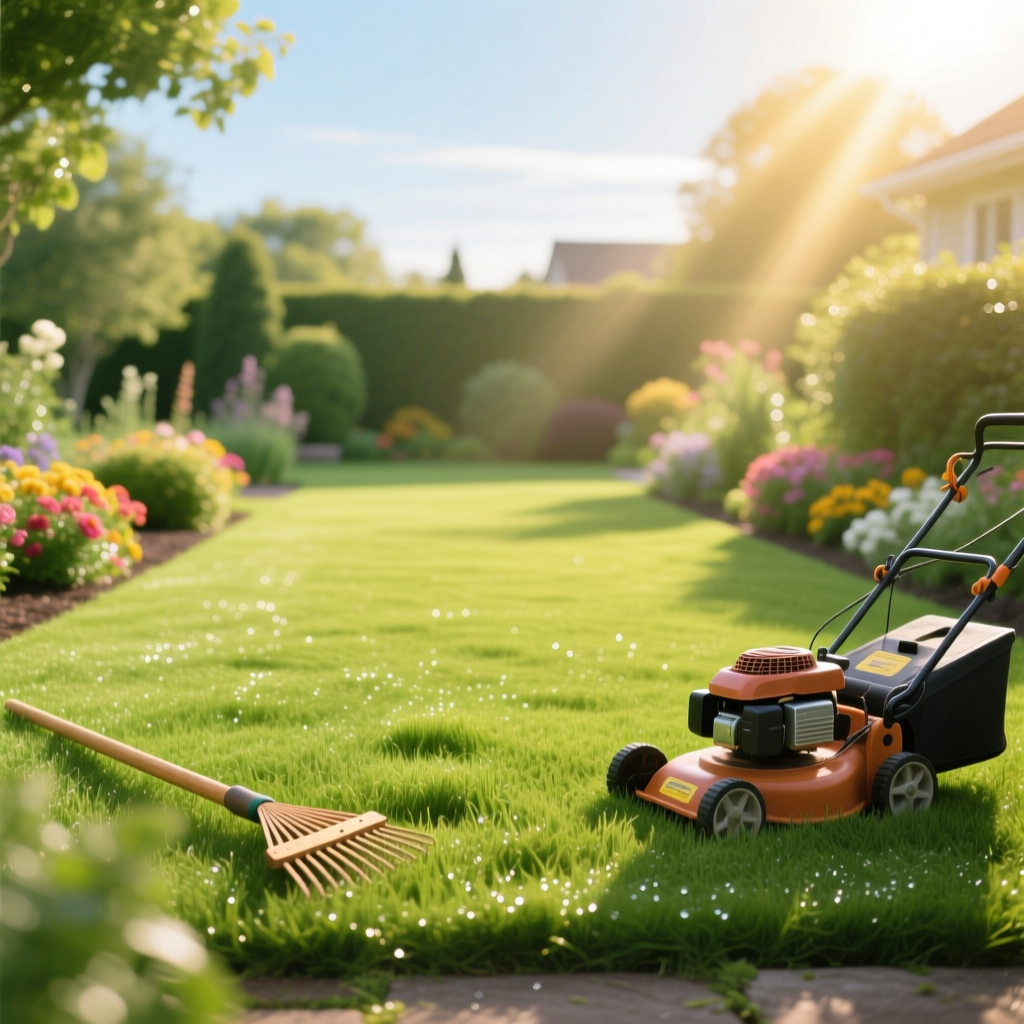
Lawn Care for Beginners: The Ultimate Guide to a Healthy, Beautiful Yard
Robert HayesPublished
Lawn Care for Beginners: The Ultimate Guide to a Healthy, Beautiful Yard
If you have just moved into your first home with a yard or simply decided it is time to take your lawn seriously, you might feel overwhelmed by the sheer volume of advice floating around. Between soil pH tests, aeration schedules, fertilizer formulas, & an endless aisle of products at the garden center, it is easy to wonder where to begin. Think of this article as your personal lawn care for beginners book — a single, comprehensive resource that walks you through every fundamental concept & actionable step you need to transform a patchy, neglected yard into the greenest lawn on the block.
The truth is that great lawn care is not complicated once you understand a handful of core principles. Grass needs sunlight, water, nutrients, & proper mowing — everything else is refinement. By the time you finish reading this guide, you will know exactly what to do, when to do it, & which tools & products will give you the best results without wasting money. Whether you are growing Bermuda grass in the South or Kentucky bluegrass in the North, the fundamentals below apply to every lawn.
Chapter 1: Understanding Your Lawn — Soil, Grass Types & Climate
Before you buy a single bag of fertilizer or fire up the mower, you need to understand what you are working with. Every successful lawn care program starts with knowledge about your soil, your grass type, & your climate zone.
Know Your Soil
Soil is the foundation of everything that happens above ground. Grass roots live in soil, draw water from soil, & absorb nutrients from soil. If your soil is compacted, too acidic, or lacking organic matter, no amount of fertilizer or watering will produce the lawn you want.
Action Step: Order a soil test kit from your local university extension office or purchase a mail-in kit from a reputable lab. A basic soil test costs between $15 & $30 & will tell you your soil's pH level, nutrient deficiencies, & organic matter percentage. Most turfgrass thrives in soil with a pH between 6.0 & 7.0.
If your soil test reveals acidic soil (below 6.0), you will likely need to apply pelletized lime to raise the pH. If your soil is alkaline (above 7.5), elemental sulfur can help lower it. The test results will include specific application rates, so follow them closely.
Identify Your Grass Type
Lawns in North America generally fall into two categories: cool-season grasses & warm-season grasses. Knowing which category your lawn belongs to is critical because it determines your mowing height, fertilization schedule, watering needs, & the best time to perform major lawn care tasks like overseeding or aeration.
Cool-season grasses thrive in northern climates & grow most vigorously in spring & fall. Common types include:
- Kentucky Bluegrass — Dense, dark green, & cold-tolerant
- Tall Fescue — Deep-rooted, drought-tolerant, & shade-friendly
- Perennial Ryegrass — Fast-germinating & wear-resistant
- Fine Fescue — Excellent for shady areas & low-maintenance lawns
Warm-season grasses dominate southern lawns & peak during the heat of summer. Common types include:
- Bermuda Grass — Aggressive spreader, extremely heat-tolerant
- Zoysia Grass — Dense, slow-growing, & highly durable
- St. Augustine Grass — Shade-tolerant & salt-tolerant
- Centipede Grass — Low-maintenance & slow-growing
Action Step: If you are unsure what type of grass you have, dig up a small sample (roots included) & take it to your local extension office for identification. You can also compare your grass to photos & descriptions on our complete grass types guide.
Understand Your Climate Zone
The USDA Plant Hardiness Zone Map divides North America into zones based on average minimum winter temperatures. Your zone influences which grass species survive, when your growing season begins & ends, & how aggressively weeds will compete with your turf. Combine your zone knowledge with your grass type identification & you have a clear roadmap for every decision ahead.
Chapter 2: Essential Lawn Care Tools & Products for Beginners
You do not need a garage full of expensive equipment to maintain a beautiful lawn. However, a few reliable tools & products make the difference between frustration & success. Here is a practical shopping list organized by priority.
Must-Have Tools
- A Quality Lawn Mower — For most suburban yards between 2,000 & 8,000 square feet, a 21-inch self-propelled push mower is ideal. Electric battery-powered mowers have become excellent choices for smaller yards, while gas mowers still offer the runtime needed for larger properties. Look for a mower with adjustable deck height settings between 1.5 & 4 inches.
- A Sharp Mower Blade — Dull blades tear grass instead of cutting it cleanly, leaving ragged tips that turn brown & invite disease. Buy a spare blade & a blade balancer so you can swap & sharpen regularly.
- A Hose-End or Rotary Spreader — A broadcast (rotary) spreader is the most versatile option for applying fertilizer, grass seed, & granular weed control products. Look for a model with adjustable rate settings & pneumatic tires for smooth rolling.
- A Garden Hose & Adjustable Sprinkler — Even if you have an irrigation system, a reliable hose & oscillating or impact sprinkler are essential for spot-watering, applying liquid products, & keeping new seed moist during germination.
- A Manual or Core Aerator — For small lawns, a sturdy manual core aerator (the kind you step on) works well. For larger yards, renting a walk-behind core aerator for a day is cost-effective & far more efficient.
Recommended Products
- Starter Fertilizer — High in phosphorus to encourage root development, ideal for new lawns & overseeding projects.
- Slow-Release Granular Fertilizer — A balanced formula (such as 20-5-10 or similar) that feeds your lawn steadily over 8 to 12 weeks.
- Pre-Emergent Herbicide — Prevents crabgrass & other annual weeds from germinating in spring.
- Post-Emergent Herbicide — Targets existing broadleaf weeds like dandelions & clover without harming your grass.
- Grass Seed — Always keep a small bag of seed that matches your lawn's grass type for patching bare spots throughout the growing season.
For a deeper dive into selecting the right equipment, check out our lawn mower buying guide & our fertilizer recommendations.
Chapter 3: The Four Pillars of Lawn Care — Mowing, Watering, Feeding & Weed Control
Every lawn care program, no matter how simple or elaborate, rests on four pillars. Master these & you will solve the vast majority of lawn problems before they start.
Pillar 1: Mowing Correctly
Mowing is the single most frequent lawn care task you will perform, & doing it wrong causes more damage than almost any other mistake. The three golden rules of mowing are:
Rule 1 — Never remove more than one-third of the grass blade at a time. If your target mowing height is 3 inches, mow when the grass reaches about 4.5 inches. Cutting too much at once shocks the plant, reduces root growth, & opens the door for weeds.
Rule 2 — Mow at the recommended height for your grass type. Here are general guidelines:
- Kentucky Bluegrass: 2.5 – 3.5 inches
- Tall Fescue: 3.0 – 4.0 inches
- Perennial Ryegrass: 2.0 – 3.0 inches
- Bermuda Grass: 1.0 – 2.0 inches
- Zoysia Grass: 1.0 – 2.5 inches
- St. Augustine Grass: 2.5 – 4.0 inches
- Centipede Grass: 1.5 – 2.5 inches
When in doubt, mow higher rather than lower. Taller grass shades the soil, conserves moisture, & crowds out weeds naturally.
Rule 3 — Keep your mower blade sharp. Sharpen or replace your blade at least twice per mowing season, or more often if you notice frayed grass tips after mowing.
Leave the Clippings: Contrary to popular belief, grass clippings do not cause thatch buildup when you mow frequently. Instead, they decompose quickly & return valuable nitrogen & organic matter to the soil. This practice, called "grasscycling," can supply up to 25 percent of your lawn's annual nitrogen needs for free.
Pillar 2: Watering Deeply & Infrequently
Most lawns need approximately 1 to 1.5 inches of water per week during the growing season, whether from rainfall or irrigation. The key is to deliver that water in one or two deep soakings rather than light daily sprinklings.
Why deep watering matters: Shallow, frequent watering encourages grass roots to stay near the soil surface, making your lawn vulnerable to drought stress, heat damage, & weed invasion. Deep watering drives roots downward, creating a more resilient lawn that can access moisture stored deeper in the soil profile.
Action Steps:
- Place a few empty tuna cans or rain gauges around your yard to measure how much water your sprinkler delivers in a given time period.
- Water early in the morning (between 5 a.m. & 9 a.m.) to minimize evaporation & reduce the risk of fungal diseases that thrive on overnight moisture.
- Watch for signs of drought stress: footprints that remain visible in the grass, a bluish-gray tint, & wilting blades that fold inward.
- During extended droughts, let cool-season grasses go dormant rather than wasting water trying to keep them green. They will recover when rain returns.
For more details, read our complete lawn watering guide.
Pillar 3: Feeding Your Lawn with the Right Fertilizer
Fertilizer replaces the nutrients your grass removes from the soil each growing season. Without supplemental feeding, even well-maintained lawns gradually thin out & lose vigor.
Understanding Fertilizer Labels: Every fertilizer bag displays three numbers representing the percentage of nitrogen (N), phosphorus (P), & potassium (K). For established lawns, nitrogen is the most important nutrient because it drives leaf growth & green color. A typical maintenance fertilizer might read 24-0-6 or 20-5-10.
Fertilization Timing by Grass Type:
- Cool-season grasses: Fertilize primarily in early fall (September) & late fall (November), with a lighter application in late spring (May). Avoid heavy spring fertilization, which promotes excessive top growth at the expense of root development.
- Warm-season grasses: Fertilize in late spring (after green-up), early summer, & late summer. Do not fertilize warm-season grasses in fall, as this promotes tender new growth that will be killed by the first frost.
Action Steps:
- Apply fertilizer using a broadcast spreader at the rate specified on the product label.
- Use the "header strip" technique: spread a perimeter pass first, then fill in the interior with overlapping passes to ensure even coverage.
- Water the lawn lightly after applying granular fertilizer to wash granules off grass blades & into the soil where roots can access them.
- Never apply fertilizer to dormant, drought-stressed, or frozen grass.
Explore our in-depth fertilizing guide for product comparisons & seasonal schedules.
Pillar 4: Weed Control — Prevention First, Treatment Second
The most effective weed control strategy is a thick, healthy lawn. Dense turf shades the soil surface, leaving no room for weed seeds to germinate & establish. When your lawn is thin, stressed, or mowed too short, weeds move in rapidly.
Pre-Emergent Weed Control: Applied in early spring before soil temperatures reach 55°F at a 2-inch depth, pre-emergent herbicides create a chemical barrier in the top layer of soil that prevents crabgrass & other annual weed seeds from germinating. Timing is critical — apply too late & the weeds have already sprouted.
Post-Emergent Weed Control: For weeds that are already visible, selective post-emergent herbicides target broadleaf weeds (dandelions, clover, plantain, chickweed) without harming your grass. Spot-treat individual weeds rather than spraying the entire lawn to minimize chemical use.
Action Steps:
- Apply pre-emergent herbicide in early spring & again in early fall if you have a history of annual bluegrass or henbit.
- Spot-treat broadleaf weeds when they are young & actively growing — typically in spring & fall when temperatures are between 60°F & 85°F.
- Hand-pull isolated weeds before they go to seed, especially in small lawns or garden beds adjacent to your turf.
- Overseed thin areas in fall to crowd out weeds naturally the following spring.
Learn more in our comprehensive weed control guide.
Chapter 4: Seasonal Lawn Care Calendar — What to Do & When
Timing is everything in lawn care. Applying the right product at the wrong time wastes money & can actually harm your grass. Use this seasonal calendar as your year-round reference.
Spring Lawn Care (March – May)
- Early Spring: Rake away winter debris, inspect for snow mold damage, & sharpen your mower blade. Apply pre-emergent herbicide when forsythia bushes begin blooming (a reliable phenological indicator that soil temperatures are approaching 55°F).
- Mid-Spring: Begin mowing as grass starts active growth. Set your mower to the recommended height for your grass type. Apply a light application of slow-release fertilizer to cool-season grasses if you missed fall feeding. Warm-season grasses can receive their first fertilizer application once they have fully greened up.
- Late Spring: Fill in bare spots with overseeding (cool-season grasses). Monitor for grub activity & apply grub control if you have a history of damage. Adjust irrigation as temperatures rise.
Summer Lawn Care (June – August)
- Early Summer: Raise your mowing height by 0.5 to 1 inch to help grass cope with heat stress. Taller grass shades the soil & reduces moisture loss. Continue deep, infrequent watering.
- Mid-Summer: This is peak stress season for cool-season lawns. Avoid heavy fertilization, minimize foot traffic on stressed grass, & do not apply herbicides when temperatures exceed 85°F (they can damage your turf under heat stress). Warm-season grasses, however, are in their prime — fertilize & mow regularly.
- Late Summer: Begin planning for fall renovation. Order grass seed, schedule core aeration equipment rental, & assess which areas of your lawn need the most attention. Apply pre-emergent herbicide in late summer to prevent fall-germinating weeds like annual bluegrass.
Fall Lawn Care (September – November)
Fall is the single most important season for cool-season lawn care. The combination of warm soil, cool air, & increased rainfall creates ideal conditions for seed germination, root growth, & recovery from summer stress.
- Early Fall: Core aerate compacted areas to relieve soil compaction & improve water & nutrient penetration. Overseed thin areas immediately after aeration. Apply the first round of fall fertilizer — this is the most important fertilizer application of the entire year for cool-season grasses.
- Mid-Fall: Continue watering new seed & keep the soil consistently moist until seedlings are established (usually 3 to 4 weeks). Apply a second round of fertilizer approximately 6 to 8 weeks after the first fall application. Keep mowing as long as the grass continues to grow.
- Late Fall: Rake or mulch fallen leaves promptly — a thick layer of leaves smothering your lawn over winter invites snow mold & kills grass. Lower your mowing height slightly for the final cut of the season to reduce the mat of grass that can harbor disease under snow cover. Winterize your irrigation system & service your mower before storing it.
Winter Lawn Care (December – February)
- Minimize foot traffic on dormant or frozen grass to prevent crown damage.
- Review your lawn care journal, note what worked & what did not, & plan improvements for the coming season.
- Service & sharpen all equipment so you are ready to go the moment spring arrives.
- In warm climates where grass remains active, continue mowing & watering as needed.
For region-specific advice, explore our complete lawn care library with guides tailored to different climates & challenges.
Chapter 5: Troubleshooting Common Beginner Lawn Problems
Even with the best intentions, problems will arise. Here is how to diagnose & fix the most common issues new homeowners face.
Brown Patches
Brown patches can be caused by fungal disease (especially brown patch fungus in hot, humid weather), grub damage, dog urine spots, or uneven irrigation. To diagnose grub damage, try pulling up the affected turf — if it lifts easily like a carpet & you see white C-shaped larvae underneath, grubs are the culprit. Apply a curative grub insecticide immediately. For fungal issues, improve air circulation, avoid evening watering, & apply a lawn fungicide if the problem persists.
Thin or Sparse Grass
Thinning grass usually indicates one or more of the following: insufficient sunlight, compacted soil, inadequate fertilization, or mowing too short. Start with a soil test, core aerate compacted areas, ensure you are fertilizing at the right times, & overseed thin areas during the optimal planting season for your grass type. For heavily shaded areas, consider switching to a shade-tolerant grass variety like fine fescue or thinning overhead tree branches to allow more light through.
Excessive Thatch
Thatch is the layer of dead & living organic matter that accumulates between the soil surface & the green grass blades. A thin layer (less than 0.5 inches) is beneficial, but thicker thatch prevents water, air, & nutrients from reaching the root zone. If your thatch layer exceeds 0.75 inches, rent a power dethatcher or vertical mower & remove the excess during your grass's peak growing season.
Weeds Taking Over
If weeds are winning, your lawn is likely thin, underfed, or mowed too short. Focus first on building turf density through proper fertilization, correct mowing, & overseeding. Use pre-emergent herbicides preventively & post-emergent herbicides as spot treatments. Remember: the goal is not to kill every single weed with chemicals — the goal is to grow grass so thick that weeds cannot compete.
Frequently Asked Questions
How often should I mow my lawn as a beginner?
Mow your lawn when it has grown approximately one-third taller than your target height. During peak growing season, this typically means mowing every 5 to 7 days for cool-season grasses & every 4 to 6 days for warm-season grasses. During slower growth periods in summer heat or late fall, mowing every 10 to 14 days may be sufficient. Always follow the one-third rule — never cut more than one-third of the blade length in a single mowing session.
What is the best time of day to water my lawn?
The best time to water your lawn is early in the morning, ideally between 5 a.m. & 9 a.m. Morning watering takes advantage of lower wind speeds, reduced evaporation rates, & cooler temperatures, allowing water to soak deeply into the soil before the heat of the day. Watering in the evening leaves grass blades wet overnight, creating ideal conditions for fungal diseases like dollar spot & brown patch. If morning watering is not possible, late afternoon is acceptable as long as the grass has time to dry before nightfall.
Do I need to aerate my lawn every year?
Not necessarily. Lawns with heavy clay soil or those that receive significant foot traffic benefit from annual core aeration, ideally performed during the growing season (early fall for cool-season grasses, late spring for warm-season grasses). Lawns with sandy or loamy soil that are not heavily compacted may only need aeration every 2 to 3 years. A simple test: try pushing a screwdriver into the soil. If it goes in easily, your soil is not compacted. If you struggle to push it in more than a few inches, aeration is overdue.
Should I bag my grass clippings or leave them on the lawn?
Leave them on the lawn. Grass clippings decompose rapidly & return valuable nutrients — especially nitrogen — back to the soil. This practice, known as grasscycling, can reduce your fertilizer needs by up to 25 percent. The only time you should bag clippings is when the grass is excessively long (for example, if you missed a mowing & the grass has grown very tall), when the lawn has an active fungal disease, or when clippings form thick, matted clumps that smother the grass beneath them. Otherwise, mulching mowers & regular mowing make clippings virtually invisible.
How do I fix bare spots in my lawn?
To repair bare spots, start by loosening the top 2 to 3 inches of soil with a garden rake. Remove any dead grass, weeds, or debris. Spread a thin layer of compost over the area, then sow grass seed that matches your existing lawn at the rate recommended on the seed bag. Lightly rake the seed into the soil so it makes good contact, then cover with a thin layer of straw or peat moss to retain moisture. Water the area lightly two to three times per day until seedlings emerge (usually 7 to 21 days depending on the grass species), then gradually reduce to deeper, less frequent watering. Avoid mowing the repaired area until the new grass reaches your normal mowing height. For detailed step-by-step instructions, visit our bare spot repair guide.
Final Thoughts: Your Lawn Care Journey Starts Now
Lawn care is one of those skills that rewards consistency over perfection. You do not need to execute every technique flawlessly in your first season. Start with the basics — mow at the right height, water deeply, fertilize at the right times, & keep an eye out for weeds. As you gain confidence, layer in more advanced practices like core aeration, soil amendment, & strategic overseeding.
Keep a simple lawn care journal noting when you fertilize, aerate, seed, & apply weed control. Over a few seasons, you will develop an intuitive understanding of your lawn's unique needs & the rhythm of the seasons. Bookmark this guide, revisit the lawn care section for seasonal reminders, & explore our grass types library whenever you need species-specific advice. Your dream lawn is not as far away as you think — it starts with the very first mow.

