
Lawn Care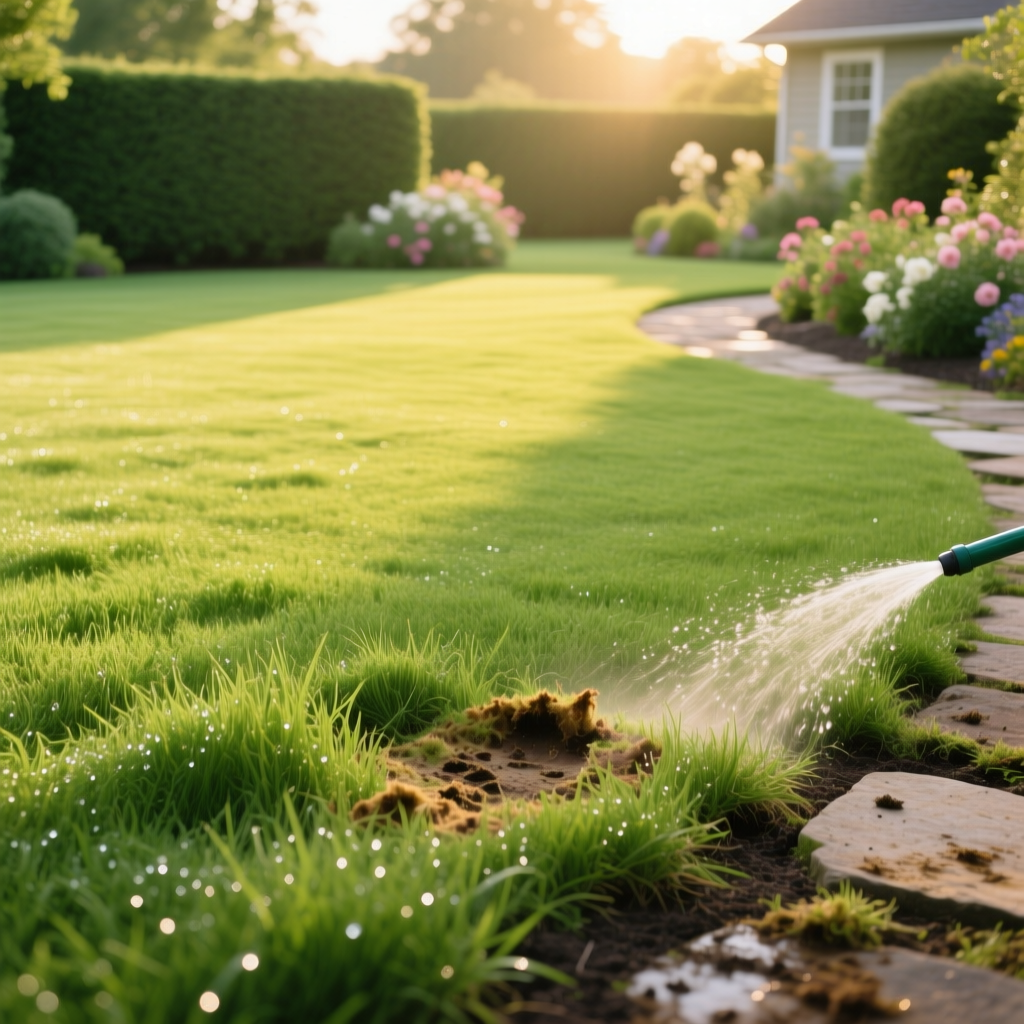
How to Fix and Prevent Dog Urine Spots on Your Lawn
Anna KowalskiPublished
Sharing your home with a dog brings endless joy, companionship, and unfortunately, a unique set of lawn care challenges. If you are a dog owner who also takes pride in maintaining a lush, green yard, you are likely familiar with the frustration of dog urine spots. These unsightly yellow and brown patches can quickly turn a pristine landscape into a patchy, damaged mess. However, balancing a beautiful turf with a happy pet is entirely possible with the right knowledge and strategies.
At Lawns Guide, we understand that your pet is a beloved member of the family, and your lawn is an extension of your home. This comprehensive guide will walk you through the science behind canine lawn damage, immediate mitigation tactics, step-by-step repair processes, and long-term preventative measures. Whether you are dealing with a few isolated brown patches or a yard that looks like a minefield, these actionable lawn care tips will help you restore your turf and keep it resilient against future damage.
Understanding the Science Behind Dog Urine Spots
Before you can effectively treat and prevent dog urine spots, it is crucial to understand what is actually happening at the soil and root level. There is a widespread myth that the acidity (pH) of dog urine is what burns the grass. While canine urine can be slightly acidic or alkaline depending on their diet, pH is rarely the primary culprit behind those dead patches. The real enemies of your turf are nitrogen and soluble salts.
Dog urine contains high concentrations of urea, a byproduct of protein metabolism. When urea breaks down in the soil, it releases a massive, localized dose of nitrogen. While nitrogen is a key ingredient in most lawn fertilizers, the concentration deposited by a dog is far too high for the grass to handle. This phenomenon is essentially a severe fertilizer burn. The grass blades dehydrate, the roots suffer osmotic shock from the accompanying salts, and the tissue dies, leaving a yellow or brown spot.
You may also notice a "halo effect" around the dead patch, where a ring of dark green, rapidly growing grass surrounds the brown center. This outer ring is the result of the nitrogen spreading outward at a lower, more beneficial concentration, acting as a mild fertilizer. Furthermore, the severity of the damage often depends on the dog's bathroom habits. Female dogs and puppies tend to squat, depositing their entire bladder volume in one concentrated area, which causes severe, localized burning. Male dogs, once mature, often lift their legs to mark vertical objects like trees or fences, or they spread their urine over a larger surface area, resulting in less concentrated turf damage.
Immediate Actions: How to Treat Fresh Spots
The most effective way to handle dog urine spots is to stop them before they start. Once the grass has turned yellow or brown, the tissue is dead and cannot be revived. Therefore, immediate action is your best line of defense. The golden rule of canine lawn care is: dilution is the solution to pollution.
The Watering Can Method: Keep a dedicated watering can filled with clean water right by your back door. As soon as your dog finishes their business, walk over to the spot and pour one to two gallons of water directly onto the area. This immediate influx of water dilutes the urea and soluble salts, washing them deeper into the soil profile and away from the sensitive root zone of the turf. If you catch the spot within eight to twelve hours, this simple step is usually enough to prevent any visible damage.
Hose-End Sprayers: If you have a large yard or multiple dogs, carrying a watering can might become tedious. Consider keeping a garden hose with a gentle spray nozzle or a hose-end sprayer near the designated potty area. A quick, ten-second blast of water will achieve the same dilution effect. Be sure to use a gentle shower setting rather than a high-pressure jet, which could wash away topsoil and damage the grass blades.
Enzymatic Outdoor Cleaners: For those who want an extra layer of protection, there are outdoor enzymatic sprays designed specifically for pet waste. These products contain beneficial bacteria and enzymes that help break down the urea and neutralize odors. While they are not a replacement for water dilution, they can be a helpful supplement, especially in areas where drainage is poor or where water restrictions are in place. Always check our soil testing guide to ensure your yard's drainage and soil composition can handle frequent watering without causing compaction or runoff issues.
Step-by-Step Guide to Repairing Dead Patches
If the damage is already done and you are left with stubborn brown spots, do not worry. Repairing dog urine spots is a straightforward process that requires a few basic tools, some patience, and the right soil amendments. Follow these steps to seamlessly blend new grass into your existing lawn.
Step 1: Remove the Dead Material
Using a sturdy bow rake or a specialized dethatching rake, vigorously scratch the surface of the dead spot. You want to remove all the dead grass blades, thatch, and debris down to the bare soil. This process, known as scarification, is vital because it breaks up the crusted soil surface and creates tiny grooves for new seed to settle into, ensuring optimal seed-to-soil contact.
Step 2: Flush the Soil
Even though the grass is dead, the excess salts and nitrogen may still be lingering in the top few inches of the soil. Before adding any new seed, deeply water the bare patch for several minutes to leach the remaining salts down and away from the future root zone. Allow the soil to drain and dry slightly so it is moist but not muddy before proceeding.
Step 3: Amend with Gypsum
This is a highly recommended, often overlooked step. Pelletized gypsum (calcium sulfate) is a natural soil amendment that works wonders for pet-damaged soil. The calcium in the gypsum displaces the sodium salts left behind by the dog urine, allowing them to be flushed out of the soil profile, while the sulfur helps neutralize the environment. Sprinkle a handful of gypsum over the bare spot and lightly rake it into the top inch of the soil.
Step 4: Topsoil and Seed Application
Add a thin layer (about a quarter-inch) of high-quality, screened topsoil or compost over the patch. Next, apply a premium grass seed that matches your existing lawn. If you are unsure what grass you have, consult our extensive grass types database to identify your turf. Gently press the seed into the soil using the back of a rake or by tamping it down with your foot.
Step 5: Protect and Hydrate
Cover the seeded area with a light layer of weed-free straw, peat moss, or a specialized seed starter mat. This protects the seed from being washed away by rain, eaten by birds, or dug up by curious paws. Water the patch lightly two to three times a day to keep the top inch of soil consistently moist until the new grass seedlings emerge and establish. For more detailed instructions on patching and overseeding your lawn, be sure to read our dedicated seeding guides.
Long-Term Prevention and Yard Management
While repairing spots is effective, preventing them is the ultimate goal of sustainable lawn care. Managing a yard with dogs requires a combination of pet care, landscaping strategies, and proactive soil maintenance.
Dietary Adjustments and Hydration: The concentration of your dog's urine is directly tied to their hydration levels and diet. Encourage your dog to drink more water throughout the day by providing multiple fresh water stations, using a pet water fountain, or adding low-sodium broth to their bowl. Additionally, dogs fed high-protein diets produce more urea. Consult your veterinarian about your dog's nutritional needs; they may recommend a diet adjustment or specific supplements that safely alter the urine composition without harming your pet's health. Never administer home remedies like tomato juice or baking soda without veterinary approval, as these can cause severe urinary tract and metabolic issues.
Create a Designated Potty Zone: One of the most effective landscaping solutions is to train your dog to use a specific, non-turf area of the yard. Choose a discreet corner of your property and cover it with dog-friendly materials like pea gravel, cedar mulch, or artificial pet turf. Use positive reinforcement training, rewarding your dog with treats and praise every time they use the designated zone. This completely eliminates urine spots on your main lawn and confines the wear-and-tear to a single, easily manageable area.
Improve Soil Health and Drainage: A healthy, deeply rooted lawn is naturally more resilient to stress, including nitrogen burns. Compacted soil holds onto salts and prevents deep root growth. Incorporating core aeration into your annual lawn care routine will relieve soil compaction, improve water infiltration, and allow salts to flush through the soil profile more easily. Pairing aeration with topdressing and compost will build a robust soil microbiome that can better process organic waste and nitrogen fluctuations.
Choosing Urine-Resistant Grass Types and Seasonal Timing
Not all grasses are created equal when it comes to withstanding dog urine. If you are planning a full lawn renovation or heavy overseeding, selecting the right turf species is a critical decision that will save you countless hours of spot-repair in the future.
The Most Resistant Grasses: Cool-season grasses with deep root systems and bunch-type growth habits tend to handle urine burns the best. Tall fescue is widely considered the most urine-resistant grass available. Its deep roots and robust blade structure allow it to absorb and tolerate higher nitrogen loads. Perennial ryegrass is another excellent choice; while it can still burn, it germinates and recovers incredibly fast, making it easy to repair damaged areas quickly.
The Most Susceptible Grasses: On the flip side, Kentucky bluegrass and fine fescues are highly sensitive to nitrogen spikes and will show severe burning from even small amounts of dog urine. Warm-season grasses like Bermuda grass and Zoysia are also quite susceptible to spotting, though their aggressive spreading habits via stolons and rhizomes mean they can eventually fill in dead patches on their own during the peak of summer.
Seasonal Timing for Repairs: Timing your lawn repairs to align with your grass's natural growth cycle is essential for success. If you have cool-season grasses (Fescue, Ryegrass, Bluegrass), the absolute best time to repair urine spots and overseed is during early fall, followed by a secondary window in early spring. The cool air and warm soil provide the perfect environment for rapid germination. For warm-season grasses (Bermuda, Zoysia, Centipede), you should wait until late spring or early summer when soil temperatures consistently stay above 65°F (18°C) and the grass is actively growing. Attempting to seed warm-season grasses in the fall will result in failure, as the seed will go dormant or wash away before establishing. Always refer to our spring lawn care and fall lawn care calendars to perfectly time your turf renovations.
Frequently Asked Questions
Will feeding my dog tomato juice or apple cider vinegar stop urine spots?
No, this is a persistent and potentially dangerous myth. The idea behind this myth is that dog urine is too acidic, and feeding them alkaline substances like tomato juice will neutralize it. As established, the damage is caused by nitrogen and salts, not acidity. Altering your dog's systemic pH through unregulated home remedies can lead to severe urinary tract infections, bladder stones, and metabolic imbalances. Always consult a licensed veterinarian before adding any supplements or altering your dog's diet to address lawn issues.
Does applying lime to the lawn help prevent dog urine damage?
Applying agricultural lime to your lawn will not prevent or cure dog urine spots. Lime is used to raise the pH of highly acidic soils. Because dog urine damage is a result of nitrogen toxicity and salt accumulation rather than a pH imbalance, adding lime will do nothing to mitigate the burn. In fact, if your soil is already alkaline, adding unnecessary lime can lock up essential nutrients like iron and manganese, leading to chlorosis (yellowing) across your entire lawn. Rely on gypsum for salt displacement and water for dilution instead.
How long does it take for grass to grow back after repairing a spot?
The timeline for grass recovery depends heavily on the grass species, soil temperature, and moisture levels. If you are using perennial ryegrass in optimal cool-season conditions, you can expect to see germination in as little as 5 to 7 days, with a fully filled-in patch in about 3 to 4 weeks. Tall fescue typically takes 7 to 14 days to germinate and up to 6 weeks to fully establish. Warm-season grasses planted via seed or sod in the heat of summer can take 2 to 4 weeks to establish. Throughout this period, it is absolutely critical to keep all foot and paw traffic off the repaired area.
Are commercial "lawn repair" dog supplements safe?
There are many commercial chew treats and powders marketed to dog owners that claim to neutralize urine and save lawns. These products often contain ingredients like DL-Methionine, Yucca schidigera extract, or brewer's yeast. While some of these ingredients can slightly alter the nitrogen output or bind to ammonia, their efficacy is highly debated among veterinarians. Some ingredients, when over-consumed, can strain a dog's liver or kidneys. If you are considering a commercial lawn-saving supplement for your pet, you must discuss it with your veterinarian to ensure it is safe for your specific dog's breed, age, and health history. Remember, the safest and most effective solution is always external lawn management and hydration, not internal medication.

