
Lawn Care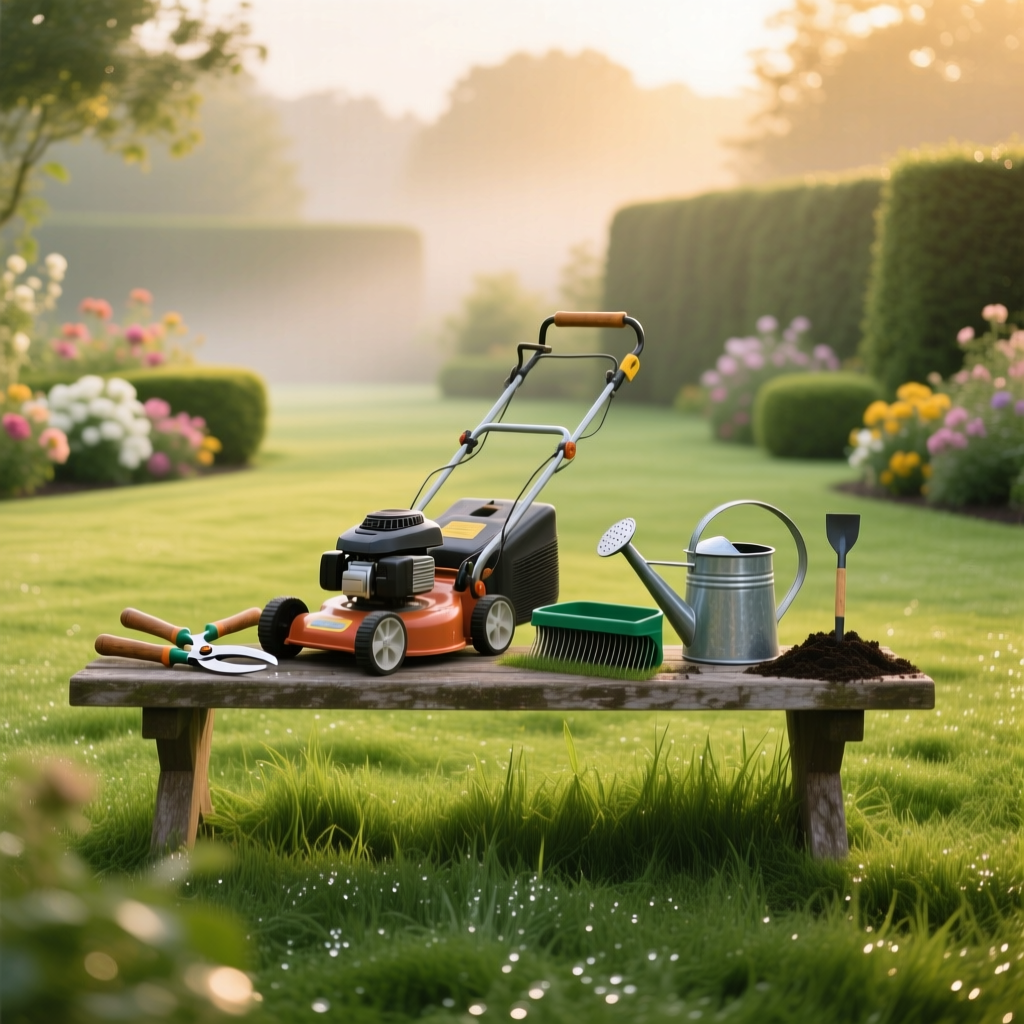
Lawn Care Setup for Beginners: Tools, Tips & Routines
Lisa ThompsonPublished
Starting your journey into lawn care can feel like stepping into a complex world of soil pH levels, fertilizer ratios, and mysterious seasonal schedules. However, cultivating a lush, vibrant, and healthy lawn does not require a degree in agronomy. With the right lawn care setup for beginners, a basic understanding of your yard's unique needs, and a consistent routine, you can transform a patchy, weed-filled yard into the envy of the neighborhood.
This comprehensive guide will walk you through the essential equipment you need, how to identify your grass type, and the core practices that form the foundation of excellent turf management. Whether you are moving into your first home or simply deciding to take over the yard work from a professional landscaping service, this setup guide will provide you with the actionable steps required for long-term success.
Essential Lawn Care Tools & Equipment for Beginners
Before you can execute a flawless lawn care strategy, you need the right tools for the job. Investing in reliable equipment upfront saves time, reduces frustration, and ensures your lawn receives the precise care it needs. Here is the fundamental toolkit every beginner should assemble.
- Lawn Mower: The centerpiece of your arsenal. For most suburban lawns, a 21-inch rotary mower is the ideal choice. Look for a model with a mulching capability, which chops grass clippings into fine pieces that decompose quickly and return valuable nitrogen to the soil. Battery-powered mowers have become incredibly reliable and offer a quiet, emission-free alternative to traditional gas models.
- String Trimmer & Edger: Your mower cannot reach tight spaces against fences, tree trunks, or garden beds. A string trimmer (often called a weed whacker) cleans up these perimeter areas. Many modern trimmers feature a rotating head that converts them into an edger, allowing you to carve crisp, professional-looking lines along your driveways and sidewalks.
- Broadcast Spreader: When it comes to applying grass seed, fertilizer, or weed control products, even distribution is critical. A broadcast spreader flings material in a wide swath, ensuring you do not create striping or burn your lawn with overlapping applications. Look for a model with an adjustable flow rate and a sturdy hopper.
- Garden Rake & Leaf Blower: A sturdy metal tine rake is essential for dethatching and leveling soil, while a flexible poly rake is perfect for gathering autumn leaves. Pair these with a reliable handheld or backpack leaf blower to drastically reduce the time spent on seasonal yard cleanup.
- Sprinkler System & Timer: Consistency is the secret to deep root growth. If you do not have an underground irrigation system, invest in a high-quality oscillating or impact sprinkler paired with an automatic hose timer. This ensures your lawn receives the exact amount of water it needs, even if you are not home.
- Soil Test Kit: You cannot fix a problem you do not understand. A basic soil test kit or a mail-in soil test from a local university extension office will reveal your soil's pH and nutrient deficiencies, taking the guesswork out of your fertilizer purchases.
Understanding Your Grass Type & Soil
The single biggest mistake beginners make is treating all grass exactly the same. Grass species are broadly divided into two main categories, and knowing which one grows in your yard dictates your entire seasonal schedule, mowing height, and watering needs.
Cool-Season vs. Warm-Season Grasses
Cool-season grasses, such as Kentucky Bluegrass, Tall Fescue, and Perennial Ryegrass, thrive in northern climates with moderate summers and cold winters. These grasses experience their most vigorous growth spurts during the spring and fall. To learn more about identifying and caring for these specific varieties, explore our complete guide to cool-season grasses.
Conversely, warm-season grasses like Bermuda, Zoysia, and St. Augustine dominate southern landscapes. They love the heat, grow aggressively in the peak of summer, and often go dormant, turning brown during the cooler winter months. For a deep dive into southern turf management, check out our resource on warm-season grasses.
The Importance of Soil Testing
Grass draws its sustenance from the soil beneath it. If your soil is highly acidic or alkaline, the roots cannot absorb nutrients, no matter how much fertilizer you apply. Most turfgrasses prefer a slightly acidic to neutral pH level between 6.0 and 7.0. Conducting a soil test is the most critical first step in your lawn care setup. The results will tell you exactly how much lime or sulfur you need to add to balance your soil, setting the stage for a thriving root system.
Building a Seasonal Lawn Care Routine
A beautiful lawn is the result of timely, proactive interventions rather than reactive fixes. Aligning your tasks with the natural growth cycles of your grass ensures maximum effectiveness and minimal waste.
Spring: Cleanup and Prevention
As the soil thaws and temperatures rise, your lawn wakes up from dormancy. Begin with a gentle raking to remove dead winter debris and improve air circulation. Once the grass begins to grow, start mowing. This is also the crucial window for applying a pre-emergent herbicide. Pre-emergents create a barrier in the soil that prevents crabgrass and other summer weeds from germinating. Timing is everything; apply it when soil temperatures consistently reach 55 degrees Fahrenheit.
Summer: Maintenance and Protection
Summer brings heat stress, drought, and pests. Your primary focus shifts to preserving moisture and protecting the crown of the grass plant. Raise your mower deck to its highest setting; taller grass shades the soil, reducing water evaporation and preventing weed seeds from receiving the sunlight they need to sprout. Stay vigilant for signs of grub damage or fungal diseases, which thrive in hot, humid conditions.
Fall: The Most Critical Season
For cool-season grasses, fall is the most important time of the year. The air is cooling, but the soil is still warm, creating the perfect environment for root expansion. This is the time for core aeration and overseeding. Aeration relieves soil compaction, while overseeding fills in bare patches and introduces modern, disease-resistant grass varieties. Follow up with a nutrient-rich fall fertilizer to help the grass store energy for the winter.
Winter: Rest and Preparation
While the lawn is dormant, your work is not entirely finished. Keep heavy foot traffic off frozen grass to prevent crown damage. Use this downtime to maintain your equipment: change the oil in your mower, sharpen the blades, clean your spreader, and organize your garage so you are ready to hit the ground running when spring arrives.
Core Lawn Care Practices: Mowing, Watering, & Fertilizing
Mastering the "big three" lawn care practices will solve 90 percent of the problems beginners face. Let us break down the golden rules for each.
Mowing: The One-Third Rule
Never cut more than one-third of the grass blade's height in a single mowing session. Scalping the lawn stresses the plant, forces it to expend energy on regrowing blades rather than developing roots, and exposes the soil to weed invasion. For example, if your target height is 3 inches, you should mow when the grass reaches 4.5 inches. Furthermore, always keep your mower blades razor-sharp. Dull blades tear the grass tips, leaving a jagged, white appearance that makes the lawn highly susceptible to disease and moisture loss. For a comprehensive breakdown of mowing patterns and heights, read our guide on how to properly mow your lawn.
Watering: Deep and Infrequent
Shallow, daily watering is a recipe for a weak, drought-prone lawn. It encourages roots to stay near the surface where they can easily dry out. Instead, practice deep and infrequent watering. Your lawn generally needs about 1 to 1.5 inches of water per week, including rainfall. It is better to apply this amount in one or two heavy sessions rather than spreading it out daily. This forces the roots to grow deep into the soil in search of moisture, creating a resilient turf. To measure your sprinkler's output, place empty tuna cans around the yard and time how long it takes to fill them to the one-inch mark. Dive deeper into irrigation strategies with our complete lawn watering guide.
Fertilizing: Feeding the Soil
Fertilizer provides the essential macronutrients your grass needs: Nitrogen (N) for green, leafy growth; Phosphorus (P) for strong root development; and Potassium (K) for overall stress tolerance and disease resistance. Avoid the temptation to over-fertilize, which can lead to rapid, weak growth that attracts pests and requires constant mowing. Always follow the application rates specified on the bag, and use your soil test results to choose a formula that addresses your lawn's specific deficiencies. Learn how to read fertilizer labels and schedule applications in our fertilizing masterclass.
Troubleshooting Common Beginner Lawn Problems
Even with a perfect setup, you will inevitably encounter a few hurdles. Here is how to diagnose and treat the most frequent beginner lawn issues.
- Weed Invasions: Weeds are opportunistic; they fill the voids left by thin, weak grass. The best defense against weeds is a thick, dense lawn. If dandelions, clover, or crabgrass do appear, spot-treat them with a selective herbicide that targets broadleaf weeds without harming your turf. For a detailed strategy on eradicating stubborn invaders, consult our weed control basics guide.
- Mysterious Brown Spots: Brown patches can be caused by a variety of culprits, ranging from dull mower blades and localized dry spots to pet urine and fungal diseases like Dollar Spot or Brown Patch. Inspect the affected area closely. If the grass blades have distinct lesions or a powdery substance, you are likely dealing with a fungus, which requires improved air circulation and a targeted fungicide application.
- Thatch Buildup: Thatch is a layer of dead and living organic matter that sits between the soil surface and the green grass blades. A thin layer (under half an inch) is beneficial, acting as a natural mulch. However, excessive thatch prevents water and nutrients from reaching the roots. If your lawn feels spongy when you walk on it, it is time to dethatch using a specialized rake or a power dethatcher attachment.
Frequently Asked Questions
How often should a beginner water their lawn?
Most established lawns require 1 to 1.5 inches of water per week. Rather than watering a little bit every day, aim for one or two deep watering sessions per week. This encourages deep root growth and makes your lawn more drought-tolerant. Always water in the early morning, between 4:00 AM and 8:00 AM, to minimize evaporation and prevent fungal diseases that thrive on wet grass overnight.
Is it better to bag or mulch grass clippings?
For the vast majority of lawns, mulching is the superior choice. Grass clippings are composed of roughly 80 percent water and contain valuable nitrogen. When mulched back into the lawn, they decompose rapidly and act as a free, natural fertilizer, returning up to 25 percent of the lawn's nitrogen needs back to the soil. You should only bag clippings if the grass has grown excessively tall, if the lawn is suffering from an active fungal disease, or if heavy weed seed heads are present.
When is the best time to plant grass seed?
The ideal time to plant grass seed depends entirely on your grass type. For cool-season grasses, early fall is the absolute best time. The soil is still warm from the summer, which promotes rapid germination, while the cooling air temperatures reduce heat stress on the young seedlings. Spring is the second-best option. For warm-season grasses, late spring to early summer is the perfect window, as these seeds require warm soil temperatures to successfully germinate and establish before the peak heat of summer.
How do I know if my lawn needs aeration?
Your lawn likely needs core aeration if the soil is heavily compacted, which often happens in high-traffic areas or yards with heavy clay soil. A simple test is to try pushing a standard screwdriver into the soil. If you meet heavy resistance and cannot easily push it in several inches, your soil is compacted. Other signs include water pooling on the surface after a light rain, a spongy feel indicating thatch buildup, or grass that thins out and struggles to grow despite proper watering and fertilizing.
Can I use the same fertilizer for all grass types?
While a basic, balanced fertilizer will not immediately kill your lawn, using a formula tailored to your specific grass type and seasonal needs will yield vastly superior results. Cool-season grasses benefit most from heavy feeding in the fall and light feeding in the spring. Warm-season grasses require the bulk of their nutrients during the active summer growing season. Furthermore, the nitrogen release rate (quick-release vs. slow-release) should be matched to the current temperature and growth rate of your specific turf.

