
Lawn Care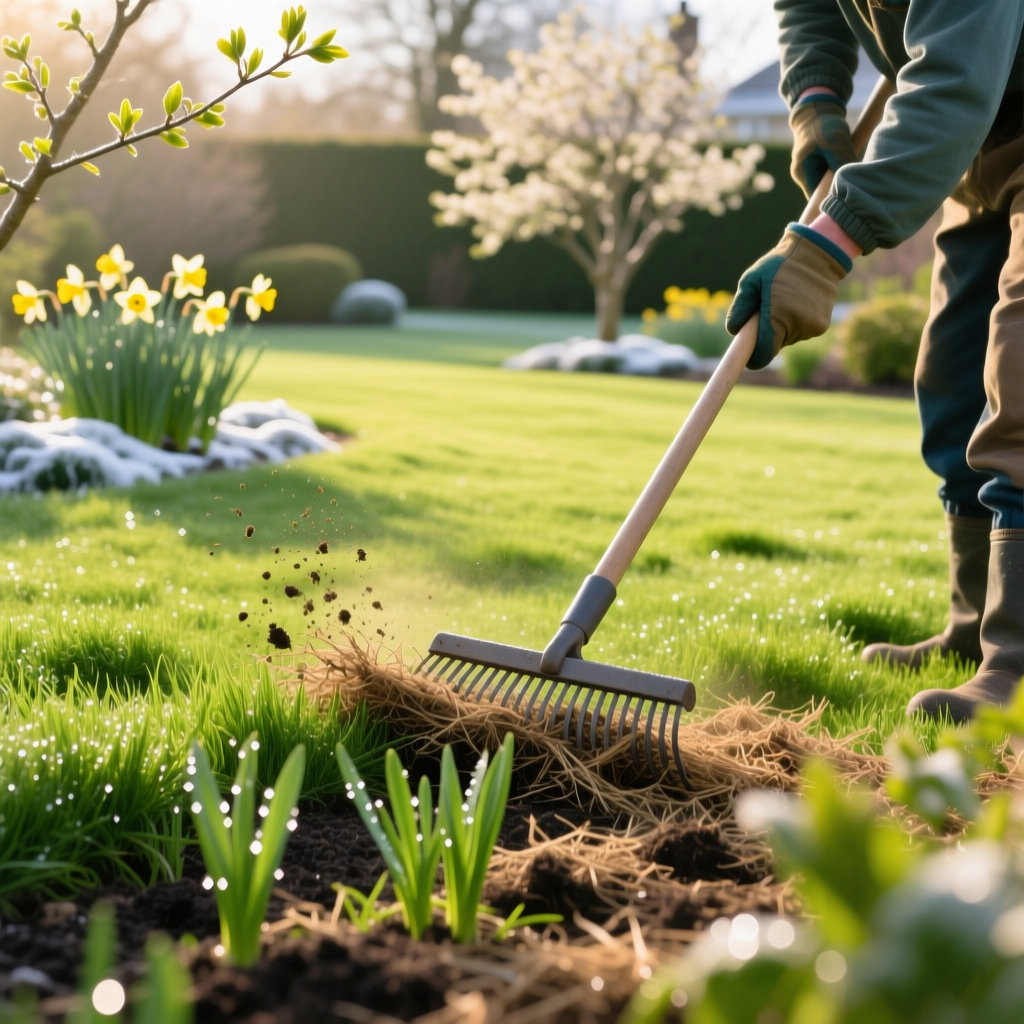
Essential Early Spring Lawn Care Tips for a Lush, Healthy Yard
Emily WatsonPublished
As the frost thaws and the first hints of green begin to peek through the soil, homeowners everywhere share a common excitement: spring has finally arrived. However, the transition from winter dormancy to active spring growth is a critical window for your turf. The actions you take during the first few weeks of the season will set the foundation for a lush, resilient, and weed-free lawn that can withstand the heat and stress of the upcoming summer months.
Early spring lawn care is all about preparation, assessment, and gentle encouragement. Rushing into heavy fertilization or aggressive mowing can actually harm your grass before its root system is fully awake. By following a strategic, step-by-step approach, you can wake up your lawn properly and give it the exact nutrients and environment it needs to thrive.
In this comprehensive guide, we will walk you through the most effective early spring lawn care tips, from clearing winter debris to tuning up your equipment. Whether you are nurturing a cool-season lawn in the north or preparing a warm-season yard in the south, these actionable steps will help you achieve the best grass on the block.
1. Clean Up and Rake Away Winter Debris
Before you can treat, feed, or mow your lawn, you must clear the canvas. Winter leaves behind a variety of debris, including fallen branches, dead leaves, and accumulated thatch. If left on the lawn, this debris blocks sunlight, traps excess moisture, and creates a breeding ground for fungal diseases like snow mold.
Start by walking your property and picking up any large sticks, twigs, and stones. Next, take a sturdy leaf rake and give your entire lawn a vigorous raking. This process is not just about removing dead leaves; it is about lifting the grass blades that have been matted down by snow and ice. Raking stimulates the soil surface, improves air circulation, and allows the warming spring sun to penetrate the crown of the grass plants.
If your lawn has a severe thatch problem—a thick layer of dead and living organic matter sitting between the soil and the grass blades—early spring is a good time to address it, especially for warm-season grasses. For cool-season grasses, be gentle to avoid tearing new growth.
Recommended Tools for Spring Cleanup:
- Flexible Leaf Rake: Ideal for gathering lightweight debris and gently lifting matted grass without damaging the crowns.
- Thatching Rake: Features sharp, curved tines designed to dig into the thatch layer and pull it to the surface.
- Lawn Sweeper: A tow-behind or push sweeper is a massive time-saver for large properties, efficiently collecting leaves and pine needles.
2. Assess Soil Health and Apply Early Spring Fertilizer
One of the most common mistakes homeowners make is blindly applying fertilizer as soon as the snow melts. To truly optimize your lawn's health, you need to know what your soil actually needs. This is why learning how to test your soil is a crucial first step in your seasonal routine.
A soil test will reveal your lawn's pH level and identify any deficiencies in essential macronutrients and micronutrients. Grass thrives in slightly acidic soil, typically between 6.0 and 7.0 on the pH scale. If your soil is too acidic, you will need to apply lime; if it is too alkaline, sulfur may be required. Applying fertilizer to soil with an imbalanced pH is a waste of time and money, as the grass roots will be unable to absorb the nutrients.
When it comes to early spring feeding, less is often more. Cool-season grasses naturally experience a surge of root growth in the early spring. If you apply a heavy dose of high-nitrogen fertilizer too early, you force the plant to push out rapid top growth at the expense of root development. This results in a shallow root system that will quickly burn out when summer heat arrives. Instead, refer to our spring fertilizer guide and opt for a light, balanced application, or a slow-release nitrogen formula, once the grass has actively begun to green up and requires its first mow.
Pro Tip: Invest in a digital soil thermometer. Soil temperature dictates grass growth and nutrient uptake. For cool-season grasses, wait until soil temperatures consistently reach 50°F to 55°F before applying your first round of fertilizer.
3. Repair Bare Spots and Overseed Cool-Season Grasses
Winter can be brutal on turf, leaving behind bare patches caused by snow plows, heavy foot traffic, or ice melt products. Early spring is the ideal time to repair these damaged areas, particularly if you have a cool-season lawn featuring varieties like Kentucky Bluegrass or Tall Fescue. The combination of spring rains and warming soil creates the perfect germination environment.
For warm-season grasses such as Bermudagrass or Zoysiagrass, hold off on overseeding until late spring or early summer when soil temperatures are consistently above 65°F. Applying seed too early in cold soil will result in rot and wasted seed.
Step-by-Step Guide to Patching Bare Spots:
- Prepare the Soil: Use a garden rake to loosen the top inch of soil in the bare area. Remove any dead grass, weeds, or debris.
- Apply Seed: Choose a high-quality grass seed that matches your existing lawn. Spread the seed evenly over the loosened soil, slightly overlapping the edges of the bare spot to blend it in.
- Cover and Protect: Lightly rake the area again so the seeds are covered by about a quarter-inch of soil. You can also apply a thin layer of compost or peat moss to retain moisture.
- Water Consistently: Keep the patched area consistently moist but not waterlogged. Light, frequent watering is essential until the seeds germinate and establish roots.
- Delay Herbicides: Do not apply any pre-emergent or post-emergent weed killers to areas where you have newly seeded, as these chemicals will prevent grass seed from germinating.
For more extensive lawn renovations, check out our complete guide on overseeding your lawn to ensure thick, uniform coverage.
4. Tune Up Your Mower and Establish a Mowing Routine
Your lawnmower has been sitting in the garage or shed for months. Before you pull the cord for the first time this season, it requires some essential maintenance. A poorly maintained mower can tear grass blades rather than cutting them cleanly, leaving your lawn vulnerable to disease and giving it a frayed, brown appearance.
Spring Mower Maintenance Checklist:
- Sharpen the Blades: Dull blades tear the grass. Remove the blade, secure it in a vise, and use a metal file or grinder to restore a sharp edge. Balance the blade before reinstalling.
- Change the Oil: Drain the old oil and replace it with the manufacturer-recommended grade. Fresh oil ensures the engine runs smoothly and lasts longer.
- Replace the Spark Plug & Air Filter: These inexpensive parts make a massive difference in how easily your mower starts and how efficiently it burns fuel.
- Check the Tires & Wheels: Ensure all wheels are securely attached and adjusted to the same height setting to prevent scalping your lawn.
When it is time for the first mow of the season, resist the urge to cut the grass too short. Follow the golden "one-third rule," which states you should never remove more than one-third of the grass blade in a single mowing. For the very first cut, you can mow slightly lower than your target summer height to help clean up dead winter tips and allow sunlight to reach the soil. Be sure to bag the clippings on this first mow to remove the accumulated dead organic matter. For all subsequent mows, switch to mulching to return valuable nutrients to the soil.
5. Prevent Weeds Before They Take Over
The best way to deal with weeds is to stop them before they ever break the surface. Early spring is the prime window for applying pre-emergent herbicides, which target weed seeds like crabgrass as they germinate. Once crabgrass and other summer annual weeds sprout, pre-emergents are completely ineffective, and you will be forced to rely on harsher post-emergent chemicals.
Timing is absolutely critical when applying pre-emergents. The magic trigger for crabgrass germination is when soil temperatures reach 50°F to 55°F for several consecutive days. Many veteran landscapers use a natural phenological indicator: when the yellow flowers of the forsythia bush begin to bloom and drop their petals, it is time to apply your pre-emergent.
After applying a granular pre-emergent, be sure to water your lawn lightly. The water activates the product, washing it off the grass blades and into the top layer of soil where it forms a chemical barrier against germinating weed seeds. For a deeper dive into managing specific invaders, consult our comprehensive weed control guide.
Crucial Warning: Pre-emergent herbicides do not discriminate between weed seeds and grass seeds. If you plan to overseed or patch bare spots in the early spring, you must skip the pre-emergent application in those specific areas, or delay your seeding until late summer and early fall.
Seasonal Timing Guide: When to Do What
Understanding the difference between early spring and mid-to-late spring is vital for lawn care success. Here is a quick seasonal timing breakdown to keep your tasks on schedule:
- Early Spring (Soil Temps 40°F - 50°F): Focus on cleanup, raking, mower maintenance, and soil testing. Allow the grass to wake up naturally. Avoid heavy foot traffic on soggy, thawing soil to prevent severe compaction.
- Mid-Spring (Soil Temps 50°F - 60°F): This is the window for pre-emergent weed control, light fertilization, and overseeding cool-season grasses. Begin your regular mowing routine as the grass actively grows.
- Late Spring (Soil Temps 65°F+): Warm-season grasses break dormancy and can now be aerated, fertilized, and overseeded. Transition cool-season lawns to deeper, less frequent watering schedules to prepare for summer droughts.
Frequently Asked Questions (FAQ)
When should I apply pre-emergent in early spring?
The ideal time to apply a pre-emergent herbicide is when soil temperatures consistently reach 50°F to 55°F at a depth of two inches. This usually coincides with the blooming of forsythia bushes in your region. Applying it too early means the chemical barrier may break down before the main weed flush occurs, while applying it too late means the crabgrass seeds will have already germinated and bypassed the barrier.
Is it too early to fertilize my lawn in spring?
If the ground is still frozen, covered in snow, or the grass is completely dormant and brown, it is too early to fertilize. Applying fertilizer to dormant grass wastes the product, as the roots are not actively taking up nutrients, and the runoff can pollute local waterways. Wait until the grass has visibly greened up and you have had to mow it at least once or twice before applying a light, slow-release spring fertilizer.
Should I aerate my lawn in early spring?
For cool-season grasses, early spring is generally not the recommended time for core aeration. Aerating in the spring can bring buried weed seeds to the surface and disrupt the application of pre-emergent herbicides. The best time to aerate cool-season lawns is in the early fall. However, if you have a warm-season lawn, or if your cool-season lawn suffers from extreme soil compaction that is preventing water absorption, a spring aeration can be beneficial once the grass is actively growing. Read our lawn aeration guide for more details.
How short should I cut my grass for the first spring mow?
For the very first mow of the season, you can cut the grass about a half-inch lower than your standard summer height. This helps remove the dead, brown tips of the grass blades caused by winter damage and allows the sun to warm the soil, encouraging faster green-up. However, never scalp the lawn down to the dirt. Immediately after this first "cleanup" mow, raise your mower deck back to the recommended height for your specific grass type for the rest of the season.
When is the best time to water my lawn in early spring?
In early spring, natural rainfall is usually sufficient to keep your lawn hydrated, especially in cooler climates. You should only supplement with irrigation if there is a prolonged dry spell and the soil begins to dry out. If you do need to water, do so deeply and infrequently to encourage deep root growth. Overwatering in the cool, damp conditions of early spring is a primary cause of fungal diseases and shallow root systems. Wait until late spring and early summer to establish a strict, automated watering schedule.
Final Thoughts on Spring Lawn Care
A beautiful, resilient lawn does not happen by accident; it is the result of careful observation, timely interventions, and consistent maintenance. By tackling these essential early spring lawn care tasks, you are investing time and effort now that will pay dividends all summer long. Remember to listen to your lawn, monitor soil temperatures, and adjust your care routine based on the specific grass types growing in your yard. With a little patience and the right techniques, your turf will be the envy of the neighborhood for the entire growing season.

