
Lawn Care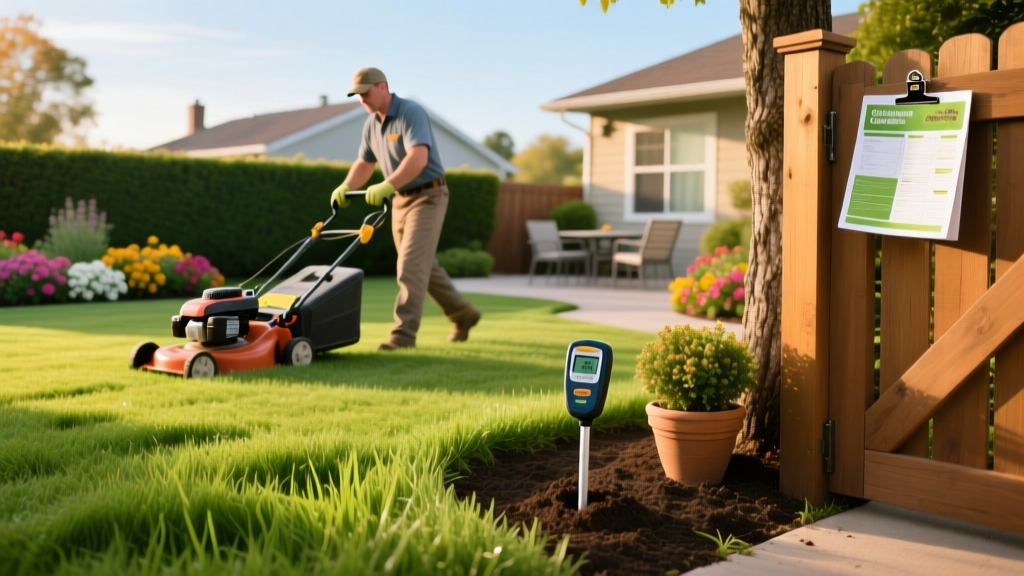
Step-by-Step Lawn Maintenance and Timing Allergy Meds for Grass Pollen
The Allergic Homeowner’s Paradox: Maintaining Grass Without Triggering Symptoms
For homeowners with severe environmental allergies, lawn care presents a frustrating paradox. You must maintain your turf to prevent it from going to seed, yet the very act of mowing, edging, and trimming kicks up the exact microscopic allergens that cause misery. Grass pollen—primarily from Timothy, Bermuda, Rye, and Kentucky Bluegrass—is one of the most pervasive outdoor triggers identified by the American College of Allergy, Asthma, & Immunology (ACAAI).
Successfully managing a yard while suffering from allergic rhinitis requires a dual-pronged strategy: modifying your step-by-step lawn maintenance procedures to minimize pollen dispersal, and strategically timing your allergy meds for grass pollen to align with your outdoor chores. As of 2026, shifting climate zones have extended the traditional pollen window, making a proactive, scheduled approach more critical than ever.
Understanding the Enemy: Grass Pollen Biology and Timing
Grass pollen is released from the inflorescence (the seed head). If you allow your lawn to grow unchecked, it will produce seed stalks that burst and release millions of pollen grains into the air. The timing of this release depends on your turf type:
- Cool-Season Grasses (Kentucky Bluegrass, Tall Fescue, Perennial Ryegrass): Peak pollination occurs from mid-May through late June.
- Warm-Season Grasses (Bermuda, Zoysia, Bahia): Peak pollination occurs from July through September.
Expert Insight: Many homeowners mistake grass "seed heads" for weeds. Those wiry, pale stalks shooting up above your turf are actually your grass trying to reproduce. Cutting them off before they mature is the single most effective cultural practice for reducing yard-based allergens.
Strategic Timing: When to Take Allergy Meds for Grass Pollen
Taking medication right before you step outside is a common mistake that leaves you unprotected during the chore. Different classes of allergy meds for grass pollen have distinct pharmacokinetic profiles (onset and peak times). Furthermore, operating heavy machinery like a zero-turn mower requires avoiding sedating antihistamines.
| Medication Class | Common Active Ingredients | Onset / Peak Time | Lawn Chore Timing Strategy |
|---|---|---|---|
| Oral 2nd-Gen Antihistamines | Cetirizine (Zyrtec), Fexofenadine (Allegra), Loratadine (Claritin) | 1 to 3 hours | Take 2 hours before mowing. Non-sedating, safe for operating power equipment. |
| Nasal Corticosteroids | Fluticasone (Flonase), Budesonide (Rhinocort) | 12 hours to several days for full efficacy | Must be used daily during pollen season. Do not use "as needed" just for yard work. |
| Oral 1st-Gen Antihistamines | Diphenhydramine (Benadryl) | 15 to 30 minutes | WARNING: Causes severe drowsiness. Never take before operating mowers, trimmers, or chainsaws. |
| Antihistamine Eye Drops | Ketotifen (Zaditor), Olopatadine (Pataday) | 15 minutes | Apply 15 minutes before edging or string-trimming where debris flies at face level. |
For comprehensive guidance on identifying specific triggers and managing severe reactions, the Asthma and Allergy Foundation of America (AAFA) recommends consulting an allergist for localized pollen counts and personalized immunotherapy plans.
Step-by-Step Low-Pollen Lawn Maintenance Procedures
Once your medication is properly timed, execute these modified maintenance steps to keep pollen levels at the soil surface to an absolute minimum.
Step 1: Pre-Mow Hydration (The Pollen Wash)
Run your irrigation system or use a hose-end sprinkler for 10 minutes the evening before you plan to mow. Water weighs down microscopic pollen grains that have settled on the grass blades overnight, preventing them from becoming airborne when the mower deck passes over them. Avoid watering immediately before mowing, as cutting wet grass causes clumping and spreads fungal spores.
Step 2: Adjust Mowing Height and Frequency
Set your mower deck to 3.5 or 4 inches. Taller grass shades the soil, preventing weed germination (weeds like ragweed and plantain compound pollen issues). More importantly, mowing frequently at a higher deck setting snips off the very top of the blade before the grass can energy-shift into producing seed stalks. During peak spring and late-summer pollen seasons, increase mowing frequency from every 7 days to every 4 or 5 days to ensure you never catch the grass in a reproductive stage.
Step 3: Mandatory Bagging Over Mulching
While mulching clippings is generally better for soil health, it is a liability during pollen season. Grass clippings contain concentrated pollen and seed heads. If you mulch, the mower's vortex blows these allergens out of the side discharge chute directly into your breathing zone. Install a bagging attachment to capture and seal the clippings.
Step 4: Strategic Edging and Trimming
String trimmers are the worst offenders for launching pollen and debris into the air. When edging hardscapes, hold the trimmer so the debris guard is angled between the spinning string and your body. Always edge into the wind, never with the wind at your back, to ensure the particulate cloud blows away from your face.
Upgrading Your Gear: PPE for the Allergic Mower
Standard sunglasses and a baseball cap are insufficient for blocking 20-micron grass pollen grains. Upgrade your personal protective equipment (PPE) with the following specific models:
- Respiratory Protection: The 3M N95 Particulate Respirator (Model 8210) filters out 95% of airborne non-oil particles, including pollen and mold spores. It costs roughly $1.50 per mask and is vastly superior to cloth or surgical masks, which allow air to bypass the edges.
- Ocular Protection: Wrap-around safety glasses, such as the 3M Virtua CCS, feature a unibody lens that seals the sides of your eyes, preventing pollen from drifting in from peripheral wind currents.
- Automated Alternatives: If your budget allows, investing in a robotic mower eliminates your exposure entirely. Models like the Husqvarna Automower 450X EPOS (retailing around $3,299) use satellite boundary technology to maintain the lawn daily in micro-increments, completely preventing seed head formation without you ever stepping foot in the yard.
Post-Maintenance Decontamination Protocol
Your lawn care routine does not end when you turn off the mower engine. Grass pollen is sticky and will cling to your hair, skin, and clothing, continuing to trigger symptoms long after you go indoors.
- Leave Shoes Outside: Keep a dedicated pair of "yard shoes" on the porch or in the garage. Tracking pollen across your carpets guarantees weeks of indoor exposure.
- Immediate Clothing Isolation: Remove your mowing clothes and place them directly into the washing machine. Do not drop them in a bedroom hamper where pollen can shed into the air.
- Shower and Shampoo: A quick rinse is not enough. You must use shampoo to wash pollen out of your hair. If you lie down for a nap or go to bed with unwashed hair, you will transfer the pollen directly to your pillowcase, inhaling it all night.
- Nasal Saline Rinse: Use a sterile saline flush (like a NeilMed Sinus Rinse bottle) to physically wash trapped pollen grains out of your nasal passages before they can bind to your mucous membranes and trigger a histamine cascade.
Warning on Drying Clothes: Never hang your laundry on an outdoor clothesline during grass pollen season. A freshly washed shirt hung outside for three hours will act as a massive pollen filter, collecting millions of grains that will transfer to your skin when you wear it.
By synchronizing the pharmacokinetics of your allergy meds for grass pollen with a strict, low-dispersal lawn maintenance schedule, you can maintain a pristine, thick turf without sacrificing your respiratory comfort. Consistency in mowing frequency and post-chore decontamination are the true secrets to reclaiming your yard.

