
Lawn Care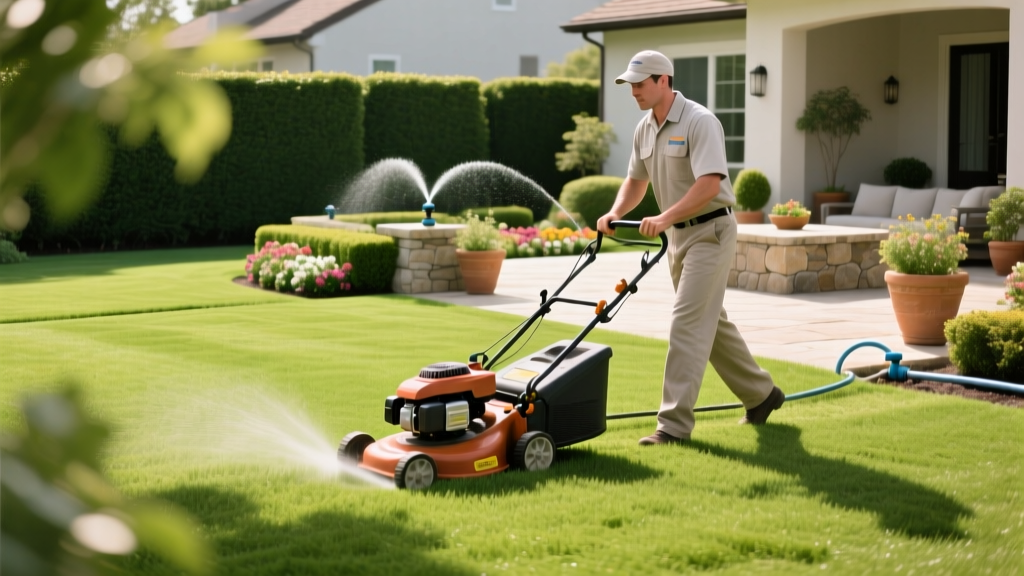
Lawns Unlimited LLC 904: Step-by-Step Lawn Maintenance Guide
Northeast Florida’s 904 area code—encompassing Jacksonville, St. Johns, and Nassau counties—presents a unique microclimate for turfgrass management. Characterized by intense summer humidity, sandy Entisol soils, and aggressive pest pressures, maintaining a pristine lawn here requires more than generic advice. Professional outfits operating in this region, notably setting the operational benchmark for step-by-step lawn maintenance procedures like Lawns Unlimited LLC 904, rely on hyper-local, scientifically backed protocols to keep warm-season grasses thriving. This guide breaks down the exact step-by-step procedures required to achieve professional-grade results in the 904 region, focusing on St. Augustine, Zoysia, and Bermuda grasses.
Phase 1: Soil Diagnostics and Amendment Protocols
The foundation of any elite lawn care program in Duval or St. Johns County begins beneath the surface. The native soil in the 904 area is predominantly sandy, meaning it drains rapidly and struggles to retain essential nutrients and organic matter. Before applying any fertilizers, a systematic soil analysis is mandatory.
Pro Tip: The 6-Inch Core Rule
Extract soil cores at a depth of 4 to 6 inches from at least 10 different zones across the property. Mix these in a clean plastic bucket to create a composite sample. Testing only the top inch will yield inaccurate pH readings due to surface thatch and recent fertilizer applications.
Extract soil cores at a depth of 4 to 6 inches from at least 10 different zones across the property. Mix these in a clean plastic bucket to create a composite sample. Testing only the top inch will yield inaccurate pH readings due to surface thatch and recent fertilizer applications.
Target a soil pH between 5.5 and 6.5 for St. Augustinegrass. If the soil tests below 5.5, apply dolomitic limestone at a rate of 25 to 50 pounds per 1,000 square feet. Dolomitic lime is preferred over calcitic lime in Northeast Florida because it simultaneously corrects pH and addresses widespread magnesium deficiencies inherent to local sandy soils. According to the University of Florida IFAS Extension, correcting soil pH is the single most critical step in ensuring subsequent nitrogen and iron applications are actually absorbed by the turf roots rather than leaching into the water table.
Phase 2: Precision Mowing and Edging Matrices
Mowing is not merely an aesthetic chore; it is a physiological stressor that dictates the grass’s root depth and drought tolerance. The Lawns Unlimited LLC 904 maintenance methodology strictly enforces the 'one-third rule'—never removing more than one-third of the leaf blade in a single pass. Cutting too short (scalping) exposes the sandy soil to UV radiation, accelerating moisture loss and inviting weed seeds like crabgrass and spurge to germinate.
| Turfgrass Species | Optimal Summer Height | Optimal Winter Height | Mower Type Required |
|---|---|---|---|
| St. Augustine (Floratam/Palatka) | 3.5 – 4.0 inches | 3.0 – 3.5 inches | Rotary (Standard Deck) |
| Zoysia (Empire/Geo) | 2.0 – 2.5 inches | 1.5 – 2.0 inches | Reel or High-End Rotary |
| Bermuda (Celebration/TifTuf) | 1.0 – 1.5 inches | 0.75 – 1.0 inches | Reel Mower (Strictly) |
Furthermore, professional edging must be executed weekly during the peak growing season (May through September). Using a steel-blade stick edger along concrete driveways and sidewalks prevents the aggressive stolons of St. Augustine and Bermuda from rooting into hardscapes, reducing manual weeding time by up to 40% over the season.
Phase 3: Targeted Hydration and Irrigation Audits
Northeast Florida receives over 50 inches of rainfall annually, yet it is distributed unevenly, leading to severe summer dry spells. A step-by-step irrigation audit ensures the system delivers precise moisture without violating local water management district regulations.
- Catch-Can Test: Place 5 identical flat-bottomed cans (like tuna tins) in different zones of the lawn. Run the irrigation system for exactly 15 minutes.
- Measure and Average: Measure the water depth in each can. If the average depth is 0.25 inches, your system outputs 1 inch per hour.
- Calibrate Run Times: Warm-season grasses in the 904 region require 0.5 to 0.75 inches of water per application. Based on the 1-inch-per-hour output, set the controller to run for 30 to 45 minutes per zone.
- Frequency Adjustment: Program the system to water only twice a week during summer, and once a week during winter. Overwatering in sandy soils leads to shallow root systems and rampant fungal diseases like Pythium root rot.
Phase 4: Weed, Pest, and Disease Control Matrix
The humid subtropical climate of Jacksonville creates a haven for specific turf predators. Reactive spraying is ineffective; proactive, targeted applications are required. The Florida Department of Environmental Protection emphasizes integrating cultural controls with chemical interventions to minimize environmental runoff.
Identifying and Treating the 'Big Three' 904 Pests
- Southern Chinch Bugs (Blissus insularis): These pests exclusively target St. Augustinegrass, typically striking in hot, dry, sunny areas near sidewalks. Treatment: Apply a liquid bifenthrin or imidacloprid drench directly to the soil surface at the first sign of yellowing halos in the turf. Do not use granular formulations without immediate, heavy watering.
- Lawn Armyworms (Spodoptera frugiperda): Active in late summer and early fall, these caterpillars can defoliate a Zoysia or Bermuda lawn in 48 hours. Treatment: Apply Bacillus thuringiensis (Bt) for organic control, or a pyrethroid like lambda-cyhalothrin for rapid knockdown if the infestation is severe.
- Ground Pearls: A severe, untreatable scale insect that attacks Bermuda and Centipede grass roots, causing circular dead patches that mimic fungal decline. Protocol: No chemical cure exists. The only remedy is to maintain optimal soil fertility to help the grass outgrow the damage, or renovate the area with a resistant species like Zoysia or St. Augustine.
Phase 5: Fertilization and the Summer Blackout Ordinance
Fertilizing in the 904 area code requires strict adherence to local environmental ordinances designed to protect the St. Johns River and local estuaries from nitrogen and phosphorus pollution. Many municipalities within the region enforce a 'blackout period' from June 1 through September 30, during which the application of nitrogen and phosphorus is strictly prohibited.
Ordinance Warning: Applying standard N-P-K fertilizers during the summer blackout period can result in severe municipal fines. Professionals pivot to potassium-heavy (K) and micronutrient blends (Iron, Manganese) to maintain turf color and stress tolerance without violating environmental codes.
The Step-by-Step Annual Fertilizer Schedule:
- Spring (March - April): Apply a slow-release, methylene-urea based fertilizer with a 3-1-2 or 4-1-2 ratio (e.g., 15-0-15). Target 1.0 lb of actual Nitrogen per 1,000 sq ft. This fuels the spring green-up without causing excessive, disease-prone top growth.
- Early Summer (May): Apply a secondary nitrogen boost combined with a preventative systemic fungicide (like azoxystrobin) to protect against take-all root rot before the heavy summer rains begin.
- Blackout Period (June - Sept): Apply chelated iron (Fe-EDDHA) and potassium sulfate. This maintains deep green coloration and builds cellular wall strength against drought and pest pressure without violating local runoff ordinances.
- Fall (October - November): Apply a 'winterizer' blend high in potassium (e.g., 8-2-12) to promote deep root storage and enhance the turf's cold tolerance during the occasional North Florida freeze.
Phase 6: Core Aeration and Topdressing Integration
High foot traffic and heavy clay-loam pockets in certain 904 subdivisions lead to severe soil compaction, suffocating turf roots. Liquid aeration products offer minimal results in heavily compacted Florida soils. Instead, mechanical core aeration must be performed annually between April and June. Extracting 3-inch plugs creates vital channels for oxygen and water. Immediately following aeration, topdress the lawn with a 50/50 mix of finely screened compost and masonry sand. This specific ratio levels minor unevenness, introduces vital soil biology, and permanently improves the water-holding capacity of the native sandy soil, completing the comprehensive, professional-grade maintenance cycle.

