
Lawn Care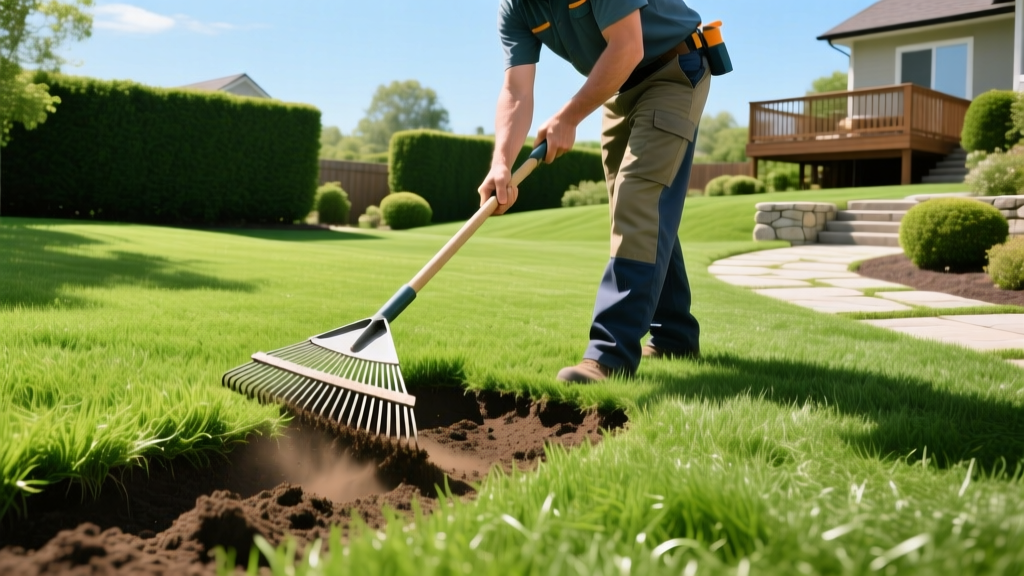
How to Level Grass Lawn Dips and Bumps Step-by-Step
Diagnosing Lawn Unevenness: The 6-Foot Straight Edge Test
A bumpy lawn is more than an aesthetic nuisance; it causes mower scalping, creates localized drainage pooling, and invites weed invasion in thin, stressed turf. Before purchasing materials, you must quantify the severity of the unevenness. Lay a 6-foot aluminum straight edge or a taut string line across the problem area. Measure the gap between the string and the soil surface at the lowest point. This measurement dictates the repair methodology.
Severity Diagnostic Matrix
- Mild (Under 1/2 inch): Surface undulations caused by earthworm castings, minor settling, or thatch buildup. Solution: Topdressing.
- Moderate (1/2 inch to 1 inch): Noticeable dips from foot traffic or decaying buried debris. Solution: Repeated topdressing over two seasons or aggressive aeration followed by heavy topdressing.
- Severe (Over 1 inch): Deep ruts from heavy machinery, animal burrows, or severe erosion. Solution: Cut-and-fill sod replacement.
Materials and Tool Checklist
According to turfgrass science guidelines from Penn State Extension, the composition of your leveling mix is critical. Using pure sand will create hydrophobic (water-repelling) layers, while pure topsoil will compact and recreate the bumps. You need a specific blend.
| Item | Specification / Model | Est. Cost | Purpose |
|---|---|---|---|
| Washed River Sand | Coarse-grade, lime-free (Avoid masonry sand) | $40-$60 / ton | Provides structural drainage and prevents compaction |
| Screened Topsoil | 1/4-inch screened, loam-based | $30-$50 / cubic yard | Supplies organic matter and nutrient retention |
| Leveling Rake | Rocklin Industry Levelawn Pro (30-inch) | $129.00 | Distributes mix evenly into turf canopy without tearing |
| Push Broom | Stiff-bristle corn or synthetic broom | $25.00 | Final sweep to expose grass blades |
Procedure A: Topdressing for Mild Bumps (Under 1/2 Inch)
Topdressing is the standard agronomic practice for minor surface leveling. The goal is to fill the low spots while leaving the grass blades exposed to sunlight. Never apply more than 1/2 inch of material in a single application, or you will smother the turf crown.
Step 1: Scalp and Dethatch
Mow the lawn 25% lower than your standard maintenance height. For Bermuda grass, drop the deck to 1 inch; for Tall Fescue, drop to 2 inches. If the thatch layer exceeds 1/2 inch, run a power dethatcher or core aerator over the area first. This opens the soil profile to accept the new topdressing mix.
Step 2: Mix the 70/30 Blend
Combine 70% washed river sand with 30% screened topsoil by volume. Mix thoroughly on a tarp or in a wheelbarrow. The mixture should be slightly damp—not muddy. If it clumps into tight balls when squeezed, it is too wet and will not flow through the grass canopy.
Step 3: Application and Dragging
Shovel the mix into small piles across the bumpy area. Using the flat back of a landscaping rake or a specialized leveling rake, drag the mix backward across the turf. Apply firm downward pressure to force the soil into the low spots. Follow up immediately with a stiff push broom, sweeping in multiple directions to knock the soil off the grass blades and down to the soil line.
Procedure B: Cut-and-Fill for Deep Ruts (Over 1 Inch)
Topdressing fails on deep ruts because the sheer volume of soil required will bury and kill the existing grass. For depressions deeper than 1 inch, you must physically remove the sod, alter the subgrade, and replace the turf. This technique is highly effective for repairing damage from vehicle tires or buried construction debris.
- Cut an H-Pattern: Using a sharp flat spade or a half-moon edger, cut an 'H' shape into the sod over the depression. The crossbar of the 'H' should span the widest part of the dip.
- Peel Back the Sod: Carefully roll back the two flaps of sod. Keep the root mass intact and moist.
- Fill and Mound: Shovel pure screened topsoil into the exposed trench. Critical Detail: Mound the new soil 1 to 1.5 inches higher than the surrounding grade. Fresh topsoil will settle by roughly 15-20% after the first heavy watering. The Royal Horticultural Society emphasizes this overfilling technique to prevent the rut from reappearing in six months.
- Replace and Tamp: Roll the sod flaps back into place. Walk over the patch or use a hand tamper to press the roots firmly against the new soil, eliminating air pockets.
Expert Insight: If the deep rut was caused by decaying buried wood or a removed tree root, you must excavate the rotting organic matter entirely before filling. Rotted wood creates a secondary sinkhole as it continues to decompose, leading to recurring lawn dips.
Critical Failure Modes and How to Avoid Them
Even with the right materials, improper execution can ruin a lawn. Avoid these common mistakes documented by the University of Nebraska-Lincoln Turfgrass Science program:
- Using Play Sand with High Clay Content: Cheap 'play sand' from big-box stores often contains fine clay particles. When mixed with topsoil, this creates a concrete-like hardpan that restricts root growth and water infiltration. Always source coarse, washed river sand from a local landscape supply yard.
- Topdressing During Dormancy: Applying topdressing when the grass is dormant (brown) prevents the turf from growing through the new soil layer. The soil will wash away or crust over before the grass can anchor it.
- Ignoring the Crown: If you can no longer see the green tips of the grass blades after sweeping, you have applied too much material. Immediately use a leaf blower on a low setting or a flexible lawn broom to expose the crowns, otherwise, the turf will suffocate within 10 days.
Seasonal Timing by Grass Type
Timing your leveling procedure to coincide with peak vegetative growth ensures rapid recovery. Consult the matrix below to schedule your project.
| Grass Classification | Common Varieties | Optimal Leveling Window | Recovery Time |
|---|---|---|---|
| Warm-Season | Bermuda, Zoysia, Centipede, St. Augustine | Late Spring to Early Summer (Post-green-up) | 14 to 21 days |
| Cool-Season | Tall Fescue, Kentucky Bluegrass, Ryegrass | Early Fall (Late August to September) | 21 to 30 days |
Post-Leveling Watering Protocol: Immediately after topdressing or cut-and-fill repairs, apply 1/2 inch of water to settle the soil and wash residual dust off the grass blades. For the next 14 days, maintain consistent soil moisture (watering lightly every morning) to encourage the stolons and rhizomes to knit into the new sand-soil matrix.

