
Lawn Care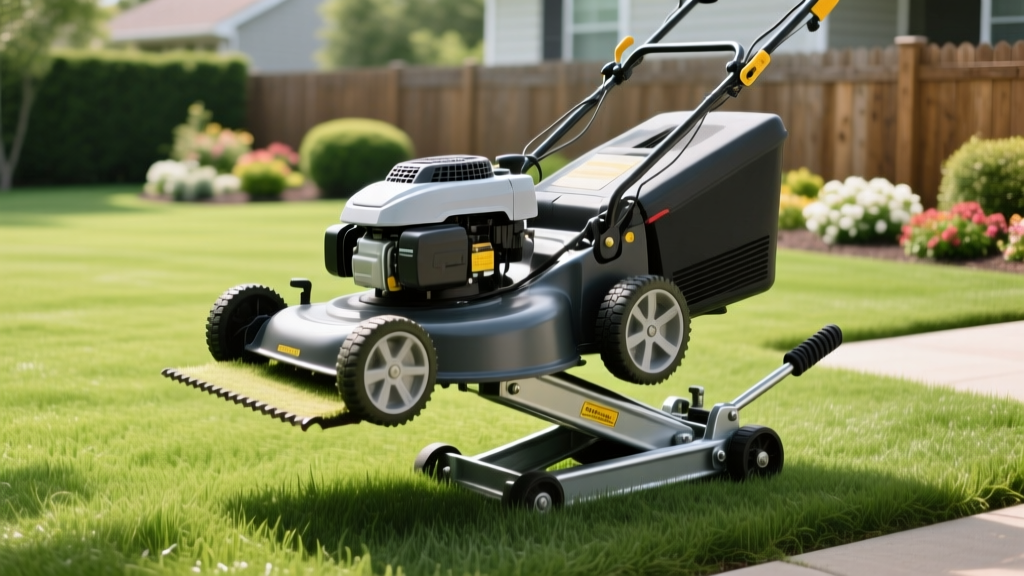
Safely Lifting Zero Turn Mower: Best Jacks & Maintenance Guide
The Physics of Zero-Turn Weight Distribution
Maintaining a zero-turn mower (ZTM) requires regular access to the underside of the deck, the spindle assemblies, and the hydrostatic transmission linkages. However, lifting zero turn mower setups presents a unique engineering challenge compared to standard lawn tractors. A typical residential 50-inch ZTM weighs between 500 and 650 pounds, while commercial 61-inch models like the Scag Tiger Cat II can exceed 1,200 pounds.
The critical mistake most homeowners make is attempting to lift the rear of the machine. Zero-turn mowers are heavily rear-biased, with 65% to 75% of the total weight concentrated over the rear drive wheels due to the engine, hydraulic pumps, and fuel tank. If you place a standard automotive floor jack under the rear axle, the mower will likely pivot on the jack's fulcrum, slip off, and cause catastrophic crush injuries or severe damage to the hydrostatic transmission lines. Proper lifting protocols dictate that you always lift the machine from the front frame rails, just behind the front caster wheels, and use specialized equipment designed to handle the wide wheelbase and high center of gravity.
WARNING: Hydrostatic Pivot Hazard
Never lift a ZTM by the rear engine shroud or the roll-over protection structure (ROPS). The ROPS is bolted to the rear frame tub; applying upward leverage here will bend the mounting brackets and compromise the structural integrity of the rollover cage. Furthermore, tilting a ZTM backward past 15 degrees can cause hydraulic fluid to bypass internal seals, leading to hydro-lock or total pump failure.
Never lift a ZTM by the rear engine shroud or the roll-over protection structure (ROPS). The ROPS is bolted to the rear frame tub; applying upward leverage here will bend the mounting brackets and compromise the structural integrity of the rollover cage. Furthermore, tilting a ZTM backward past 15 degrees can cause hydraulic fluid to bypass internal seals, leading to hydro-lock or total pump failure.
Choosing the Right Equipment for Lifting Zero Turn Mower Setups
Selecting the correct lift depends entirely on your mower's front-axle weight and deck width. Standard automotive jack stands are insufficient because ZTM wheelbases range from 48 to 60 inches, and the frame rails are often angled or shielded by plastic bumpers. Below is a comparison of the most effective lifting solutions for 2026 equipment models.
| Equipment Type | Max Lift Capacity | Best For | Est. Price Range |
|---|---|---|---|
| MoJack EZ | 750 lbs (Total) | Residential ZTMs (under 48" decks) | $220 - $260 |
| MoJack PRO | 750 lbs (Front Weight) | Prosumer ZTMs (up to 60" decks) | $340 - $380 |
| 1000 lb ATV/Motorcycle Lift | 1000 lbs | Commercial ZTMs (requires wide adapters) | $160 - $200 |
| Hydraulic Shop Jack + Custom Crossbeam | 6000 lbs (3-Ton) | Shop environments with heavy commercial fleets | $80 - $150 |
For most homeowners, the MoJack PRO is the industry standard. Unlike automotive jacks, it features a winch-assisted hydraulic pump and a wide, adjustable stance that grips the front frame rails securely without slipping. If you opt for an ATV lift table from a retailer like Harbor Freight, you must fabricate or purchase extended platform adapters; standard ATV lifts are only 40 inches wide, which will fail to reach the outer frame rails of a 50-inch or larger zero-turn mower.
Step-by-Step: Safely Lifting and Securing the Machine
According to safety guidelines published by the University of Minnesota Extension, improper jacking is a leading cause of non-riding mower and riding mower crush injuries in home garages. Follow this exact sequence to elevate your machine safely.
- Prep the Workspace: Park the mower on a perfectly level, concrete surface. Dirt or asphalt can compress under the lift's footprint, causing a tilt. Engage the parking brake and remove the ignition key.
- Chock the Rear Wheels: Place heavy-duty rubber wheel chocks tightly against both rear drive tires. This prevents the mower from rolling backward off the lift if the front caster wheels swivel.
- Position the Lift: Slide the MoJack or ATV lift under the front of the mower. Align the lift's rubber-padded arms directly with the steel tubular frame rails. Never lift by the plastic front bumper, the steering dampener, or the deck suspension springs.
- Elevate to Working Height: Pump the hydraulics or crank the winch until the front caster wheels are exactly 2 to 3 inches off the ground. This provides enough clearance to slide out the deck or access the spindles without raising the center of gravity to an unstable level.
- Deploy Secondary Supports (Mandatory): Hydraulics can slowly bleed pressure over time. Once elevated, slide 3-ton jack stands or heavy-duty timber blocks under the front axle tube. Lower the hydraulic lift slightly so the machine's weight rests entirely on the mechanical stands.
High-Value Maintenance Tasks to Perform While Elevated
Once the mower is safely secured, you have unobstructed access to the most neglected components of the cutting system. Performing these specific tasks will extend the life of your equipment and improve cut quality.
1. Spindle Bearing Lubrication
Zero-turn mower deck spindles operate at high RPMs (typically 3,000 to 3,600 RPM) and endure massive lateral shock loads when striking hidden roots or rocks. Use a grease gun loaded with NLGI #2 Lithium Complex Grease (such as Mobilgrease XHP 222). Apply exactly 3 to 4 pumps per zerk fitting. Over-greasing will blow out the internal neoprene seals, allowing moisture and grit to destroy the bearing races.
2. Kevlar V-Belt Inspection
Most modern ZTMs use aramid-reinforced (Kevlar) V-belts to transfer power from the PTO to the deck pulleys. Inspect the sidewalls of the belt for glazing, which indicates slipping and excessive heat. Check the tensile cords for micro-fraying. A glazed belt will slip when engaging thick, damp grass, resulting in an uneven cut and premature pulley wear. Replace belts showing any sidewall cracking; expect to pay $45 to $85 for OEM replacement belts.
3. Blade Pitch and Balance Verification
Sharpening the blade is only half the job. After grinding the cutting edge to a 30-degree bevel, you must check the blade's pitch (the upward angle of the lift wing at the trailing edge). If the pitch is bent downward from striking debris, the blade will not generate the necessary vacuum to stand the grass up before cutting. Use a digital angle finder to ensure the lift wing maintains a 15 to 20-degree upward pitch. Finally, balance the blade on a magnetic cone balancer to prevent spindle vibration.
"When scraping the underside of the mower deck, avoid using a metal putty knife or wire wheel on stamped steel decks. This strips the factory powder-coat or anti-corrosion paint, leading to rapid rust-through. Use a stiff plastic scraper or a wooden paint stick to remove caked-on clippings without compromising the deck's protective coating."
— Equipment Maintenance Best Practices, UF/IFAS Extension
Frequently Asked Questions
Can I use a standard automotive floor jack on the front axle?
Technically yes, but it is highly discouraged. Automotive floor jacks have a narrow saddle and a short throw. The front axle of a ZTM is often tubular and sloped, making it prone to slipping off the jack saddle. Furthermore, automotive jacks do not have a mechanical locking winch, meaning a sudden hydraulic seal failure will drop the mower instantly. Always use a dedicated mower lift or an ATV lift table with a wide, flat platform.
Will lifting the front of the mower affect the hydrostatic fluid levels?
Lifting the front of the mower by 2 to 3 inches creates a very slight rearward tilt (usually less than 5 degrees). This is well within the safe operating tolerances of the hydrostatic transmissions (such as the Hydro-Gear ZT-3400 or Parker TE series) and will not cause fluid to bypass the case seals or enter the breather tubes. However, if you are performing a full hydraulic fluid and filter change, the mower must be perfectly level to ensure accurate dipstick readings and proper system bleeding.
How often should I lift the mower for undercarriage maintenance?
For residential users mowing 1 to 2 acres, lift and inspect the undercarriage every 25 operating hours (roughly once a month during peak spring growth). For commercial operators running 40+ hours a week, the deck should be lifted, scraped, and greased every Friday afternoon to prevent clipping buildup, which retains moisture and accelerates deck corrosion and belt degradation.

