
Lawn Care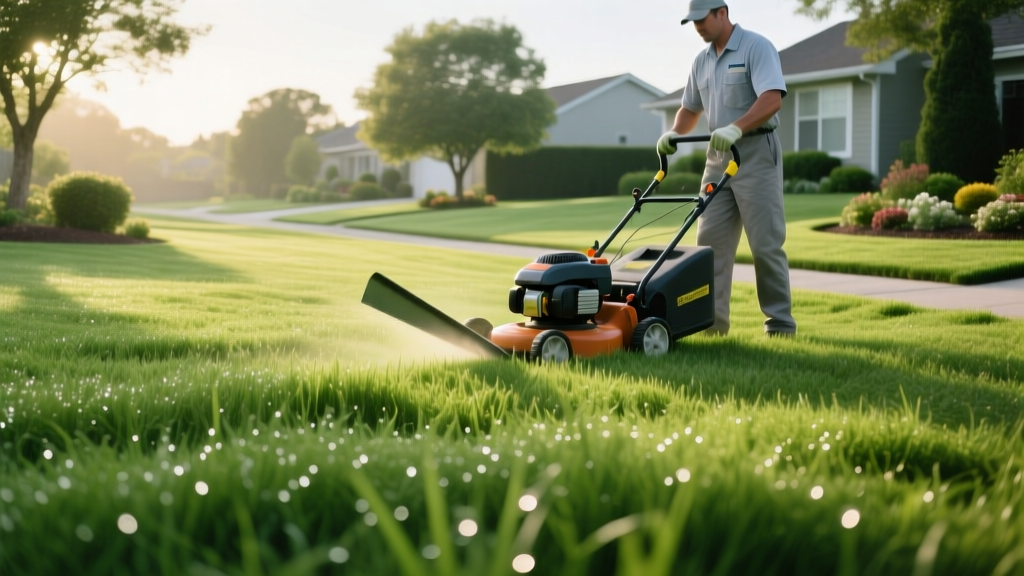
Step-by-Step Mahaya Grass Maintenance Guide for Healthy Turf
Agronomic Profile and Baseline Requirements
Mahaya grass is a premium warm-season turfgrass prized for its dense, rhizomatous growth habit, exceptional drought tolerance, and deep emerald coloration. Unlike standard Bermudagrass or Zoysia, mahaya grass develops a highly interwoven root system that demands precise agronomic inputs to prevent thatch accumulation and maintain its carpet-like density. Maintaining this cultivar requires moving beyond generic lawn care schedules and adopting a targeted, step-by-step protocol calibrated to its specific metabolic triggers.
According to turfgrass researchers at UC Davis Turfgrass Science, warm-season grasses with fine-to-medium leaf textures require strict nitrogen partitioning and specific mowing mechanics to avoid cellular tearing and disease susceptibility. This guide outlines the exact measurements, product formulations, and seasonal timelines required to maintain a pristine mahaya grass lawn.
Baseline Soil Targets for Mahaya Grass:
- pH Level: 6.0 to 6.5 (Apply elemental sulfur at 1 lb per 1,000 sq ft if pH exceeds 7.0)
- Phosphorus (P): 20-30 ppm (Mehlich-3 extraction)
- Potassium (K): 100-150 ppm (Critical for winter dormancy hardening)
- Organic Matter: 3% to 5% by weight
Phase 1: Spring Green-Up and Soil Preparation (March - April)
Spring maintenance for mahaya grass focuses on pre-emergent weed control and stimulating lateral rhizome growth without triggering excessive vertical blade surge, which leads to thatch.
Step 1: Pre-Emergent Herbicide Application
Apply a Prodiamine-based pre-emergent (such as Prodiamine 65 WDG) when soil temperatures at a 2-inch depth consistently reach 53°F to 55°F for three consecutive mornings. Calibrate your broadcast spreader to deliver exactly 1.5 lbs of active ingredient per acre (approximately 0.55 oz per 1,000 sq ft). Water in the application with 0.25 inches of irrigation immediately after spreading to activate the chemical barrier in the top inch of the soil profile.
Step 2: Initial Nitrogen Injection
Wait until the mahaya grass is 75% green before applying the first round of nitrogen. Applying nitrogen to dormant or semi-dormant roots feeds cool-season weeds and increases the risk of Spring Dead Spot. Use a 20-0-10 slow-release methylene urea fertilizer at a rate of 0.5 lbs of actual nitrogen per 1,000 sq ft.
Phase 2: Summer Peak Maintenance and Stress Management (May - August)
Summer is the peak growing season for mahaya grass. The primary objectives are managing heat stress, maintaining optimal canopy density, and executing deep-root irrigation protocols.
Mowing Protocols: Reel vs. Rotary
Mahaya grass performs best when cut with a reel mower, which provides a scissor-like cut that prevents the frayed leaf tips associated with rotary mowers. Frayed tips lose moisture rapidly and invite fungal pathogens like Dollar Spot. If a rotary mower must be used, ensure the blade is sharpened every 8 hours of operation.
| Mowing Parameter | Optimal Specification | Tolerance Threshold |
|---|---|---|
| Cutting Height | 1.0 to 1.25 inches | Never remove more than 1/3 blade |
| Mowing Frequency | Every 3 to 4 days (Peak Summer) | Maximum 5 days between cuts |
| Clipping Management | Leave on lawn (if mowing frequently) | Bag if clippings exceed 0.5 inches |
| Blade Type | 7-blade or 11-blade Reel | High-lift Rotary (sharpened bi-weekly) |
Cycle and Soak Irrigation Method
Mahaya grass requires 1.0 to 1.25 inches of water per week during peak summer. However, applying this all at once causes surface runoff and shallow rooting. Utilize the 'Cycle and Soak' method: program your irrigation controller to run three separate start times in the early morning (e.g., 4:00 AM, 5:00 AM, and 6:00 AM), applying roughly 0.4 inches per cycle. This allows the clay or loam soil to absorb the water fully, driving moisture down to the 6-inch root zone.
Phase 3: Fall Hardening and Winter Dormancy (September - November)
As daylight hours shorten and soil temperatures drop below 70°F, mahaya grass begins to transition toward dormancy. The goal shifts from vegetative growth to cellular hardening.
- Stop Nitrogen: Cease all nitrogen applications 6 to 8 weeks before your region's historical first frost date. Late nitrogen forces tender new growth that will be destroyed by freezing temperatures.
- Potassium Sulfate Application: Apply Potassium Sulfate (0-0-50) at a rate of 2 lbs per 1,000 sq ft. Potassium acts as an antifreeze within the plant's cellular structure, increasing winter survivability and promoting an earlier, thicker green-up the following spring.
- Core Aeration: If soil compaction is present, perform core aeration in early September while the grass is still actively growing, allowing the holes to fill with rhizome growth before dormancy.
Troubleshooting Common Mahaya Grass Issues
Even with meticulous care, environmental variables can disrupt turf health. Use this diagnostic matrix to identify and correct common physiological and pathological issues specific to mahaya grass.
Diagnostic Matrix:
| Symptom | Probable Cause | Corrective Action |
|---|---|---|
| Spongy feel, mower scalping | Thatch layer exceeds 0.5 inches | Vertical mowing (dethatching) in late spring; reduce nitrogen. |
| Silver-dollar-sized bleached spots | Dollar Spot fungus (low N, high humidity) | Apply 0.25 lbs N/1000 sq ft; use fungicide with Boscalid or Fluazinam. |
| Purplish-gray tint, footprints remain | Severe moisture stress / drought | Increase irrigation depth; check for hydrophobic soil (apply surfactant). |
Annual Maintenance Cost Breakdown (Per 5,000 Sq Ft)
Budgeting for a high-performance mahaya grass lawn requires accounting for specialized inputs. The following table outlines estimated 2026 material costs for a 5,000 square foot residential property, assuming DIY application.
| Material / Service | Annual Quantity | Estimated Cost |
|---|---|---|
| Pre-Emergent (Prodiamine 65 WDG) | 0.15 lbs | $18.00 |
| Slow-Release Nitrogen (20-0-10) | 75 lbs (approx 4 applications) | $115.00 |
| Potassium Sulfate (0-0-50) | 10 lbs | $24.00 |
| Systemic Fungicide (Preventative) | 2 applications | $65.00 |
| Total Estimated Annual Cost | $222.00 |
For comprehensive regional data on warm-season turfgrass evapotranspiration rates and localized pest pressures, consult the Texas A&M AgriLife Extension Turfgrass Library. Adhering strictly to these measurements and timelines will ensure your mahaya grass maintains its structural integrity, color density, and disease resistance throughout the growing season.

