
Lawn Care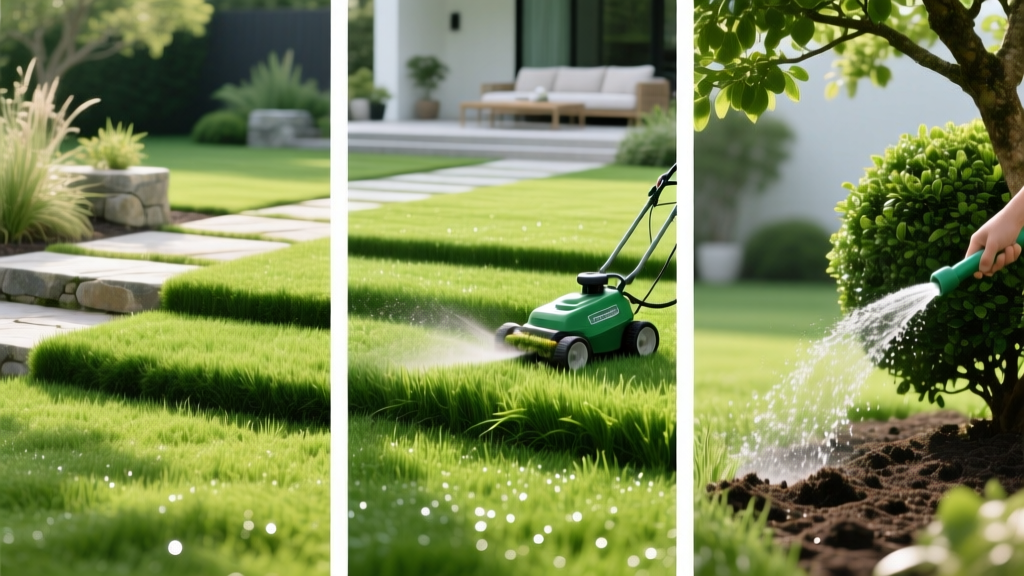
Step-by-Step Maintenance Guide for a Healthy Clove Grass Lawn
The Rise of the Clove Grass Lawn
While turf scientists formally classify it as a microclover and fine-fescue blend, the term clove grass has become the popular homeowner moniker for this eco-friendly lawn alternative. The name originates from the faint, sweet, clove-like aroma released when the sweet vernal grass and white clover stolons are freshly cut. This mixed sward is highly prized in 2026 for its drought tolerance, natural nitrogen-fixing capabilities, and reduced need for synthetic chemicals.
However, maintaining a clove grass lawn requires a fundamentally different approach than caring for a traditional Kentucky Bluegrass or Bermuda monoculture. Standard high-nitrogen fertilizers and broadleaf herbicides will quickly destroy the clover component, leaving you with a patchy, weed-prone yard. Below is a comprehensive, step-by-step maintenance procedure designed specifically to keep your clove grass lawn thick, green, and biologically balanced.
Step 1: Spring Soil Assessment and Amendment
Clover and fine fescues thrive in slightly different soil conditions than traditional turfgrasses. Before your first spring mow, you must establish the correct chemical foundation.
Test and Adjust pH
Clove grass blends perform optimally in a soil pH range of 6.2 to 6.8. If your soil is too acidic (below 6.0), the rhizobia bacteria responsible for nitrogen fixation in the clover roots will struggle to survive, forcing the clover to pull nitrogen from the soil and compete with the grass.
- Action: Order a mail-in soil test from a lab like Logan Labs or your local university extension office (typically $15–$30).
- Amendment: If pH is below 6.2, apply pelletized lime (such as Espoma Organic Garden Lime) at a rate of 5 lbs per 1,000 square feet. Water it in deeply to activate the calcium carbonate.
Pro Tip: Avoid using sulfur to lower pH unless it drops above 7.2. Clover is highly sensitive to alkaline soils, which can induce iron chlorosis, turning the clover leaves pale yellow while the grass remains green.
Step 2: Mowing Mechanics for Stolon Health
The architecture of a clove grass lawn relies heavily on horizontal runners (stolons). Mowing too short scalps these runners, exposing the soil to weed seeds and UV damage.
The 3-Inch Rule and Blade Maintenance
Set your mower deck to a strict 3-inch cutting height. This height shades the soil, retains moisture, and allows the clover leaves enough surface area to photosynthesize and feed the root nodules. Furthermore, clover stolons are fibrous and easily torn by dull blades.
- Sharpening Frequency: Sharpen your mower blades every 8 to 10 hours of runtime. A torn clover stolon will turn brown at the tip and become highly susceptible to Sclerotinia (white mold).
- Clipping Management: Always use a mulching mower. Clove grass clippings decompose rapidly and return vital phosphorus and potassium to the soil profile. Never bag clippings unless the lawn is suffering from an active fungal outbreak.
Step 3: Fertilization (Feeding the Grass, Not the Clover)
The most common mistake homeowners make with clove grass is applying standard 30-0-4 turf fertilizers. Because clover fixes its own atmospheric nitrogen, excess soil nitrogen will cause the grass component to grow aggressively, outcompeting and eventually choking out the clover.
Low-Nitrogen, High-Potassium Strategy
Your fertilization strategy should focus on root development and disease resistance rather than foliar growth. According to Penn State Extension, maintaining a balanced ratio of phosphorus and potassium is critical for clover persistence in mixed swards.
| Season | Product Recommendation | Application Rate | Purpose |
|---|---|---|---|
| Early Spring | Milorganite 6-4-0 | 32 lbs / 2,500 sq ft | Slow-release organic N, iron for deep greening without grass surging. |
| Late Summer | Simple Lawn Solutions 6-18-6 | 32 oz / 3,200 sq ft | Liquid phosphorus boost to strengthen clover stolons before fall. |
| Late Fall | Dr. Earth Organic 4-6-4 | 5 lbs / 1,000 sq ft | Potassium for winter hardiness and root carbohydrate storage. |
Step 4: Weed Control Without Herbicides
You cannot use traditional broadleaf herbicides (like 2,4-D or Dicamba) on a clove grass lawn. These chemicals are designed to target broadleaf plants and will indiscriminately kill your clover, leaving massive bare patches that crabgrass will quickly colonize.
Warning: Never apply 'Weed and Feed' products to a clover-mixed lawn. The herbicide component will destroy the microclover, and the high nitrogen component will burn the fine fescues.
Organic and Mechanical Weed Management
- Pre-Emergent Control: Apply Corn Gluten Meal (CGM) in early spring when soil temperatures hit 55°F. CGM inhibits root formation in germinating weed seeds like crabgrass. Apply at 20 lbs per 1,000 square feet. Note: CGM contains about 10% nitrogen, so skip your spring Milorganite application if you use a heavy dose of CGM.
- Post-Emergent Control: For broadleaf weeds like dandelions or plantain, use a specialized iron-based herbicide (FeHEDTA), such as Fiesta Turf Weed Killer. While FeHEDTA can cause temporary phytotoxicity (blackening) on clover leaves, the clover stolons will recover within 10 days, whereas deep-rooted weeds will die completely.
- Manual Extraction: For isolated thistles or bindweed, use a stand-up weeder tool to extract the taproot. The dense mat of a healthy clove grass lawn naturally suppresses 90% of annual weeds through canopy competition.
Step 5: Overseeding and Patch Repair
High-traffic areas (like paths to the mailbox or play zones) will eventually wear down, as clover lacks the deep rhizome structure of Bermuda or Bluegrass to recover from severe compaction.
The Patching Protocol
Keep a reserve bag of your specific clove grass seed mix on hand. In 2026, high-quality microclover and fine fescue blends typically cost between $25 and $45 per pound.
- Aeration: Use a manual core aerator on the bare patch. Do not use liquid aeration chemicals, as they can disrupt the delicate soil microbiome required by clover.
- Seeding: Sow the seed at a rate of 5 lbs per 1,000 square feet.
- Topdressing: Cover the seed with a 1/4-inch layer of screened compost. Avoid peat moss, as its high acidity can lower the localized pH and harm the clover.
- Hydration: Water lightly 3 times a day for 10 minutes until germination occurs (usually 7–14 days for the fescue, slightly longer for the clover).
Troubleshooting Common Clove Grass Issues
Even with perfect maintenance, mixed swards present unique biological challenges. Here is how to handle the most frequent issues reported by turf managers.
Excessive Bee Activity
White clover produces flowers that attract pollinators, which can be a hazard for barefoot children or pets. University of Wisconsin-Madison Extension notes that regular mowing is the most effective control. By mowing every 5 to 7 days during the peak June bloom cycle, you remove the flower heads before they fully open, drastically reducing bee foraging without harming the plant.
Summer Brown Patch (Rhizoctonia solani)
During periods of high humidity and nighttime temperatures above 70°F, the fescue component of your clove grass lawn may develop circular brown patches. Because you cannot use high-nitrogen fungicides safely, focus on moisture management. Switch to deep, infrequent watering (1 inch per week, applied in a single early-morning session) to ensure the grass blades dry completely before nightfall. If the fungus persists, apply a biological fungicide containing Bacillus amyloliquefaciens (such as Serenade Garden), which is safe for both the clover and the soil's nitrogen-fixing bacteria.
Summary: The Annual Maintenance Rhythm
Maintaining a clove grass lawn is less about aggressive chemical intervention and more about biological stewardship. By keeping your mower deck high, utilizing low-nitrogen organic fertilizers, and avoiding broadleaf herbicides, you allow the symbiotic relationship between the grass and the clover to thrive. The result is a deeply rooted, drought-resistant lawn that stays vibrantly green through the peak of summer, all while releasing that signature sweet, clove-like fragrance every time you mow.

