
Lawn Care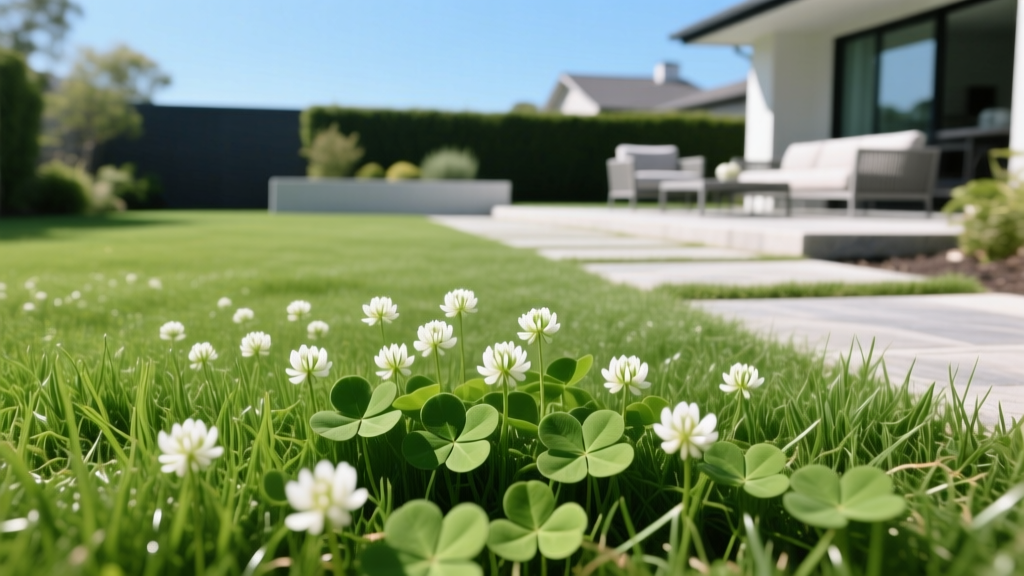
Micro Clover Lawn Pros and Cons: Keep or Spot-Treat?
The Duality of Micro Clover: Eco-Hero or Turf Weed?
Micro clover (Trifolium repens var. Pirouette, Nano, or Sparky) has fundamentally disrupted the traditional turfgrass industry. Bred specifically to have smaller leaves, lower growth habits, and reduced flowering compared to standard Dutch white clover, it is heavily marketed as a sustainable lawn alternative. However, its aggressive stoloniferous growth habit means it frequently invades pristine Kentucky Bluegrass (KBG) and tall fescue lawns, transitioning from a desirable eco-mix to a frustrating broadleaf weed.
Evaluating micro clover lawn pros and cons requires a dual perspective. If you are considering establishing an eco-lawn, micro clover offers undeniable agronomic benefits. If you are managing a traditional turfgrass stand, it requires precise spot-treatment protocols to eradicate. This guide breaks down the exact costs, biological mechanisms, and chemical interventions required to make the right decision for your yard in 2026.
Micro Clover Lawn Pros and Cons: The Complete Breakdown
Before ordering seed or mixing herbicides, you must understand the biological trade-offs of integrating Trifolium repens into your landscape.
The Pros: Why Homeowners Are Switching
- Biological Nitrogen Fixation: Micro clover forms a symbiotic relationship with Rhizobium leguminosarum bacteria in its root nodules. A healthy stand fixes between 1.0 and 2.0 lbs of atmospheric nitrogen per 1,000 square feet annually, effectively eliminating the need for synthetic spring nitrogen applications for the companion grasses.
- Superior Drought Tolerance: While traditional turfgrass relies on shallow fibrous roots, micro clover develops a deep taproot system reaching 12 to 18 inches into the soil profile. This allows it to access subsoil moisture and remain green during mid-summer droughts when KBG typically goes dormant and turns brown.
- Reduced Mowing Requirements: Cultivars like 'Pirouette' and 'Nano' naturally hug the ground. When mixed with fine fescues at a 5% to 10% seed ratio by weight, the resulting lawn can be maintained at a 3-inch height with significantly less frequent mowing.
The Cons: The Hidden Drawbacks
- High Establishment Costs: Pure micro clover seed is expensive, typically retailing between $35 and $45 per pound in 2026. Because the recommended seeding rate for a pure stand is 2 to 3 lbs per 1,000 sq ft, a 5,000 sq ft lawn will cost $350 to $675 just for seed, compared to roughly $40 for premium KBG seed.
- Staining and Slip Hazards: The high chlorophyll and moisture content in clover leaves causes severe green stains on clothing and kneeling pads. Furthermore, a pure clover lawn becomes notoriously slippery when wet, posing a fall hazard on sloped landscapes.
- Poor Heavy Traffic Recovery: Unlike perennial ryegrass or Bermudagrass, micro clover lacks aggressive rhizomatous recovery. Heavy foot traffic from dogs or children will quickly compact the soil and tear the shallow stolons, leaving bare, muddy patches that invite true weeds like crabgrass.
| Metric | Micro Clover (Pure Stand) | Kentucky Bluegrass (KBG) |
|---|---|---|
| Seed Cost (per 1,000 sq ft) | $70 - $135 | $8 - $15 |
| Annual N-Fertilizer Need | 0 - 0.5 lbs (Phosphorus only) | 2.0 - 4.0 lbs |
| Summer Drought Survival | Excellent (Stays green) | Poor (Goes dormant/brown) |
| Wear/Traffic Tolerance | Low | Moderate to High |
| Broadleaf Herbicide Safety | Will be killed by 2,4-D/Triclopyr | Safe (when applied correctly) |
When Micro Clover Becomes a Weed: Spot-Treatment Protocols
If your goal is a uniform, traditional turfgrass lawn, micro clover is a weed. According to the University of Minnesota Extension, clover species thrive in lawns that are under-fertilized, mowed too short, or suffering from compacted soil. Eradicating it requires targeted broadleaf herbicides, as standard pre-emergents like Prodiamine do not affect established clover.
Chemical Spot-Treatment Options
Standard 2,4-D formulations often fail to kill mature micro clover due to its waxy leaf cuticle. The gold standard for spot-treatment is a combination of Triclopyr and Quinclorac.
- Prosumer Option: Drive XLR8 (Quinclorac) mixed with a 3-way broadleaf herbicide containing Triclopyr (e.g., SpeedZone).
- Consumer Option: Ortho WeedClear Lawn Weed Killer (contains 2,4-D, Quinclorac, and Dicamba).
- Surfactant Requirement: You must add a Non-Ionic Surfactant (NIS) or Methylated Seed Oil (MSO) at a rate of 0.25% v/v (roughly 1 teaspoon per gallon of mixed spray). This breaks the surface tension and allows the herbicide to penetrate the clover's waxy leaves.
⚠ Temperature Warning: Never apply Triclopyr or 2,4-D based herbicides when ambient temperatures exceed 85°F. At high temperatures, these chemicals volatilize into a gas and drift onto nearby ornamental shrubs, tomato plants, and flower beds, causing severe twisting and cupping damage.
Organic Spot-Treatment Protocols
For homeowners managing organic lawns or those with sensitive pets, synthetic herbicides are off the table. The UC Statewide IPM Program notes that organic broadleaf control relies on contact desiccants. The most effective active ingredient is Iron HEDTA (FeHEDTA), sold under brand names like Fiesta Turf Weed Killer.
Iron HEDTA causes rapid cellular collapse in broadleaf weeds while being relatively safe for turfgrass. However, it is strictly a contact herbicide. It will burn the top growth of the micro clover but rarely kills the deep taproot on the first application. Expect to apply FeHEDTA three times, spaced exactly 14 days apart, to fully exhaust the clover's root reserves.
Step-by-Step Spot-Treatment Guide for Turf Invasions
Follow this exact sequence to eradicate micro clover from a traditional lawn without damaging the surrounding grass.
- Time the Application: Treat in early fall (September) or mid-spring (May) when the clover is actively growing and temperatures are between 65°F and 80°F.
- Mow Low: Drop your mower deck to 2.0 inches. This removes the upper canopy of the clover, exposing the younger, more vulnerable growth points to the herbicide.
- Mix and Agitate: Mix your chosen Triclopyr-based herbicide with water and NIS surfactant in a 1-gallon or 2-gallon pump sprayer. Shake vigorously to ensure the surfactant is fully emulsified.
- Spray to Wetness: Target only the clover patches. Spray until the leaves are visibly wet, but avoid heavy runoff that will pool on the soil and waste chemical.
- The 48-Hour Rule: Do not water the lawn or allow rain to hit the treated areas for at least 48 hours. Do not mow for 3 days post-application.
- Overseed Bare Spots: Once the clover turns black and dies back (usually 10-14 days), rake out the dead debris, apply a thin layer of compost, and overseed with your matching turfgrass variety to prevent crabgrass invasion.
Expert Verdict: Should You Keep or Eradicate?
The decision to embrace or eradicate micro clover hinges entirely on your landscape usage and maintenance tolerance.
Keep and Cultivate If: You live in a region with strict water restrictions, you want to eliminate synthetic nitrogen fertilizers, and your lawn receives light to moderate foot traffic. Mixing 'Nano' micro clover at a 5% seed ratio with a hard fescue blend provides a lush, low-input lawn that stays green through August heatwaves.
Spot-Treat and Eradicate If: You require a high-traffic play area for children and dogs, you demand a uniform, manicured aesthetic, or you frequently entertain outdoors where clover staining and bee attraction (even minimal flowering from micro varieties) pose a liability. In these cases, utilize Triclopyr-based spot treatments in the fall and follow up with aggressive core aeration and nitrogen fertilization to thicken the turfgrass canopy, naturally choking out future clover seedlings.

