
Lawn Care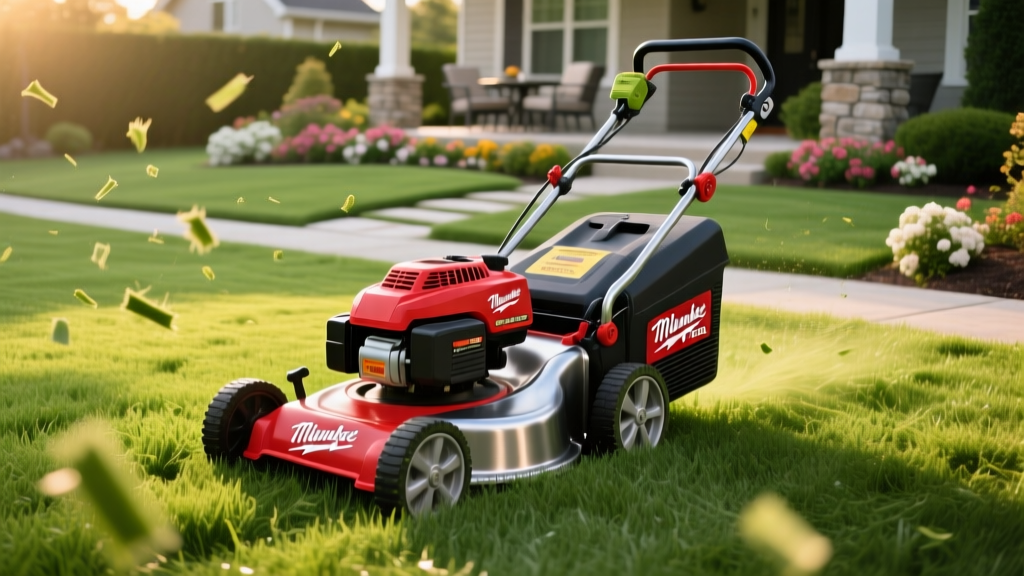
Milwaukee Electric Mower Review: M18 FUEL 21-Inch Self-Propelled Guide
The Shift to Battery OPE: Where the Milwaukee M18 FUEL Fits
The transition from gas-powered outdoor power equipment (OPE) to battery-electric platforms has fundamentally altered lawn maintenance. For professionals and serious homeowners already invested in the Milwaukee M18 ecosystem, the introduction of a dedicated Milwaukee electric mower eliminates the need to adopt a fragmented, secondary battery platform. The Milwaukee M18 FUEL 21-Inch Self-Propelled Mower (Model 2825-21HD) leverages the brand's advanced brushless motor technology and HIGH OUTPUT lithium-ion cells to compete directly with dedicated 56V and 80V OPE systems.
Ecosystem Advantage: Unlike standalone OPE brands, purchasing the Milwaukee 2825-20 (bare tool) allows existing M18 users to deploy their current 12.0Ah HIGH OUTPUT or FORGE batteries, effectively reducing the entry cost by over $300 compared to buying a full kit.
Technical Specifications: Milwaukee 21-Inch Self-Propelled Mower
Understanding the hardware is critical before evaluating cut quality. The 2825-21HD is engineered for high-torque applications, specifically targeting thick, wet, or overgrown turf that typically causes voltage sag in lesser electric mowers.
Motor and Deck Architecture
The mower utilizes a heavy-duty stamped steel deck rather than the polymer composites found on many residential models. While this increases the total unit weight to approximately 78 lbs (without batteries), it provides superior acoustic dampening and impact resistance against hidden debris. The brushless drive motor is paired with a variable-speed rear-wheel-drive self-propel system, delivering up to 3.5 MPH of walking speed without sacrificing blade RPM.
Cut Quality and Mulching Performance
Milwaukee equips the 2825 series with a high-lift mulching blade designed to create a strong vacuum under the steel deck. This lifts depressed grass blades before cutting, ensuring an even canopy. The single-lever height adjustment ranges from 1.5 inches to 4.0 inches, accommodating both low-cut Bermuda grass and taller Fescue or St. Augustine varieties.
Competitor Comparison Matrix
How does the Milwaukee electric mower stack up against the dominant forces in the battery OPE market? Below is a specification breakdown comparing the Milwaukee M18 FUEL against top-tier 56V and 40V competitors.
| Feature | Milwaukee M18 FUEL (2825) | EGO Power+ 56V (LM2135SP) | Ryobi 40V (RY401250) |
|---|---|---|---|
| Nominal Voltage | 18V (Dual-Battery 36V Architecture) | 56V | 40V |
| Deck Material | Stamped Steel | Weather-Resistant Poly | Stamped Steel |
| Drive System | Variable Speed RWD | Select Cut RWD | Single Speed RWD |
| Kit Price (Approx. 2026) | $799 - $849 | $649 - $699 | $549 - $599 |
Battery Mathematics: Runtime and Watt-Hours
A common misconception in the OPE industry is that higher voltage automatically equates to longer runtime or better performance. In reality, Watt-hours (Wh) dictate total energy capacity, while voltage and amperage dictate power delivery. The Milwaukee M18 FUEL system bridges the voltage gap by utilizing a dual-battery port architecture.
When equipped with two M18 HIGH OUTPUT HD12.0 batteries, the mower draws from a combined 432Wh (18V x 12Ah x 2). This is mathematically comparable to EGO’s 56V 7.5Ah battery (420Wh). However, Milwaukee’s advanced battery management system (BMS) and brushless motor controller dynamically adjust the amp draw based on grass density. When encountering thick, wet patches, the controller pulls higher amperage from both cells simultaneously to maintain blade RPM, preventing the bog-down effect common in single-cell 18V systems.
Strict Maintenance Protocol for Milwaukee Electric Mowers
Electric mowers eliminate oil changes, spark plug replacements, and carburetor tuning. However, they require strict adherence to electrical and mechanical maintenance to preserve battery life and cut quality. Follow this protocol to maximize the lifespan of your 2825-21HD.
1. Blade Balancing and Sharpening (Every 25 Hours)
Dull blades tear grass tips, leading to brown, frayed canopies and increased susceptibility to fungal diseases. Furthermore, a dull blade forces the brushless motor to work harder, draining the battery up to 20% faster.
- Disconnect both batteries before any under-deck work.
- Use a 15mm socket (or the size specified in your specific production run manual) to remove the blade bolt.
- Sharpen using a flat file, maintaining the original factory bevel.
- Always balance the blade on a conical balancer before reinstallation to prevent motor bearing wear caused by high-RPM vibration.
2. Deck Underside Scraping
Because the 2825 uses a steel deck, static buildup and moisture can cause wet grass clippings to cake onto the underside. This disrupts the aerodynamic vacuum required for mulching and adds rotational drag. Scrape the deck with a plastic putty knife after every third mow. Never use a metal scraper, as scoring the steel removes the protective powder coating and invites rust.
3. Battery Terminal and Port Cleaning
Outdoor environments introduce dust, pollen, and moisture to the battery ports. Every month, use compressed air to blow out the mower’s battery receptacles. Apply a microscopic amount of dielectric grease to the battery terminals to prevent micro-corrosion, which increases electrical resistance and generates excess heat during high-draw mowing sessions.
4. Winterization and Lithium-Ion Storage
Storing lithium-ion batteries at 100% charge or 0% charge during the winter off-season degrades the internal chemistry and reduces total cycle life. According to data from Battery University, the optimal storage voltage for lithium-ion cells is between 3.6V and 3.8V per cell, which translates to roughly a 30% to 50% state of charge. Store your M18 HIGH OUTPUT batteries in a climate-controlled environment (ideally between 50°F and 70°F) and check the charge level every three months.
Warning: Never store the mower with the batteries inserted into the ports over the winter. Even when turned off, the mower's internal computer and Bluetooth module draw a parasitic micro-current that will slowly drain the batteries to a critical failure state, potentially bricking the BMS.
Verdict: Who Should Buy the Milwaukee Electric Mower?
The Milwaukee M18 FUEL 21-Inch Self-Propelled Mower is not designed for the casual homeowner with a 2,000-square-foot suburban lawn. The premium price point of the kit and the heavy steel deck make it overkill for light-duty applications.
However, for landscaping professionals, groundskeepers, and serious DIYers who already own a fleet of M18 tools—such as the M18 FUEL string trimmers, blowers, and hedge trimmers—the 2825-21HD is a highly logical, cost-effective addition. It delivers commercial-grade torque, exceptional mulching capabilities, and the unparalleled convenience of a unified battery ecosystem. If you demand pro-grade durability and already possess the 12.0Ah HIGH OUTPUT or FORGE batteries, this Milwaukee electric mower stands as one of the most capable OPE platforms available today.

