
Lawn Care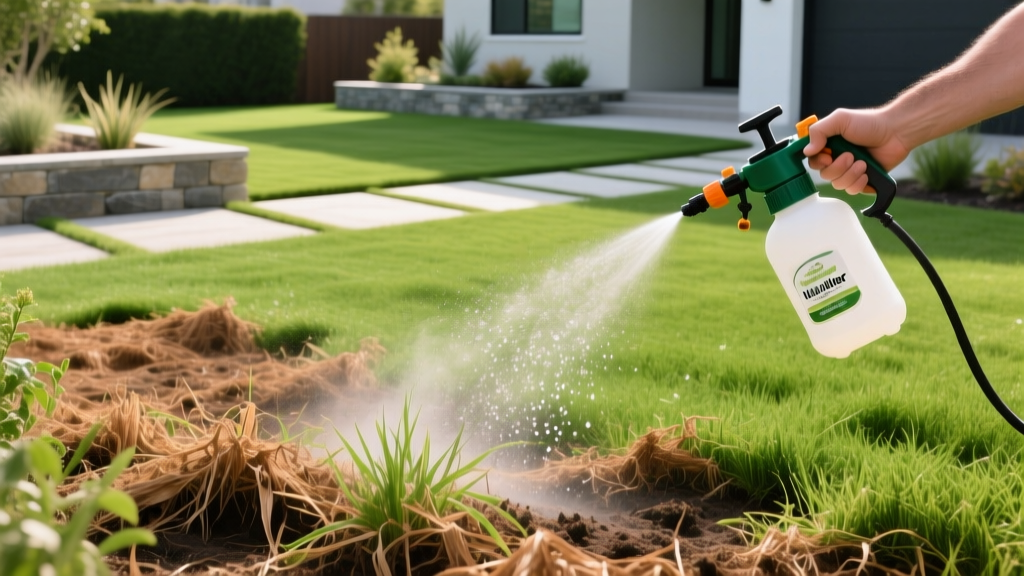
The Complete Guide to Using a Natural Grass Killer for Chemical-Free Lawn Removal
Why Choose a Natural Grass Killer for Lawn Removal?
Converting a traditional turf lawn into a xeriscape, hardscape, or expanded garden bed requires complete eradication of the existing grass. While synthetic systemic herbicides like glyphosate have historically been the default choice, growing environmental awareness and strict municipal runoff regulations are pushing homeowners toward organic alternatives. A natural grass killer relies on desiccation and cell membrane destruction rather than systemic root poisoning. However, because natural options are strictly contact herbicides, they require precise application protocols to prevent aggressive rhizomatous grasses from rebounding.
The Chemistry of Organic Eradication: Contact vs. Systemic
Understanding the limitation of organic herbicides is critical for success. Synthetic herbicides are systemic; they are absorbed through the leaves and translocated down to the roots, killing the entire plant. Natural grass killers are contact-only. They destroy the waxy cuticle and rupture cell membranes on the foliage, causing rapid water loss and tissue death.
Because the active ingredients do not travel to the root zone, shallow-rooted annual grasses (like annual bluegrass or crabgrass) will die completely. Deep-rooted or rhizomatous perennial grasses (like Bermuda, Zoysia, or Kentucky Bluegrass) will experience severe top-kill but will likely push new shoots from the roots within 10 to 14 days. Eradicating these persistent grasses organically requires a "burn and starve" strategy, combining chemical burn-down with physical smothering.
The Arsenal: Top 3 Natural Grass Killers
Not all organic herbicides are created equal. Kitchen-grade (5%) white vinegar is virtually useless for mature lawn removal, requiring over a dozen applications and failing to penetrate dense thatch. For complete lawn clearance, you must use commercial-grade organic compounds.
1. Horticultural Vinegar (20% to 30% Acetic Acid)
Acetic acid in concentrations of 20% to 30% acts as a rapid desiccant. Upon contact, it draws moisture out of plant cells, causing visible browning within 2 to 4 hours in direct sunlight. As of 2026, a 1-gallon jug of 20% horticultural vinegar typically costs between $25 and $35.
- Application Rate: 1.5 to 2 gallons per 1,000 square feet.
- Adjuvant Requirement: Must be mixed with a non-ionic surfactant (0.5% to 1% v/v) to break the surface tension of the grass blades and ensure the acid coats the entire leaf surface.
- Optimal Conditions: Apply when temperatures are above 75°F and the sun is at its peak. Heat accelerates the desiccation process.
2. Pelargonic Acid (Nonanoic Acid)
Pelargonic acid is a naturally occurring fatty acid found in plants like geraniums. It is highly effective at stripping the protective epidermal layers of grass. Products containing pelargonic acid (often sold as ammonium nonanoate) work faster than acetic acid and, crucially, remain effective in cooler weather down to 40°F.
- Cost: Approximately $45 to $60 per quart of concentrate.
- Dilution: Typically mixed at a 3% to 5% solution with water.
- Advantage: Less corrosive to metal pump sprayers than high-concentration acetic acid.
3. d-Limonene (Citrus Oil Extracts)
Extracted from citrus rinds, d-Limonene dissolves the waxy cuticle of grass blades, leading to rapid dehydration. It is rarely used alone for large-scale lawn removal but is frequently blended with acetic acid in commercial organic herbicides to boost efficacy and improve the spray's adhesion to vertical grass blades.
⚠️ CRITICAL SAFETY WARNING: Horticultural vinegar (20%+) is a severe irritant. Unlike 5% kitchen vinegar, 20% acetic acid can cause irreversible corneal damage and severe chemical burns to the skin. You must wear ANSI-approved splash goggles, heavy nitrile gloves, and a respirator mask when mixing and spraying.
Method Comparison Matrix
Choosing the right natural grass killer depends on your timeline, budget, and the specific grass species you are targeting. Review the data below to select your primary eradication method.
| Method | Speed of Top-Kill | Est. Cost per 1,000 sq ft | Effect on Deep Roots | Soil Microbiome Impact |
|---|---|---|---|---|
| 20% Acetic Acid | 2–4 Hours | $10 – $15 | Minimal (Requires repeat apps) | Temporary pH drop; harms surface microbes |
| Pelargonic Acid | 1–2 Hours | $15 – $20 | Minimal (Requires repeat apps) | Low; breaks down rapidly in soil |
| Soil Solarization (Clear Plastic) | 4–6 Weeks | $25 – $40 (Plastic) | High (Cooks roots and seeds) | High heat kills pathogens and beneficials |
| Sheet Mulching (Smothering) | 8–12 Weeks | $40 – $80 (Cardboard/Mulch) | High (Deprives roots of light/air) | Positive; builds organic matter and fungi |
The "Burn and Starve" Execution Protocol
To achieve complete lawn removal using a natural grass killer without relying on plastic sheeting, follow this exact 4-step protocol designed to exhaust the root system's carbohydrate reserves.
- Scalp the Lawn: Mow the grass as low as your mower will allow (typically 1 to 1.5 inches). Bag the clippings. This removes the thatch layer, ensuring the herbicide contacts the tender, newly exposed growth and the soil surface.
- Hydrate the Target: Water the lawn deeply 24 hours before spraying. Well-hydrated grass keeps its stomata open and maintains high turgor pressure, making the cell membranes highly susceptible to rapid rupture upon contact with the acid.
- Apply the Contact Herbicide: Spray your chosen natural grass killer (e.g., 20% acetic acid + surfactant) using a pump sprayer equipped with a fan-nozzle tip. Apply evenly until the grass is thoroughly wet, but avoid heavy runoff into the soil.
- The Rebound Spray (Day 10): Wait 7 to 10 days. The initial top-growth will turn completely brown and brittle. Perennial grasses will attempt to push pale, white shoots from the rhizomes. The moment these new shoots reach 1 inch in height, apply a second round of herbicide. This forces the plant to expend its remaining root energy to produce new leaves, only to have them destroyed before they can photosynthesize. Two to three cycles of this will starve even aggressive Bermuda grass.
Supplementing with Solarization
If you are clearing a lawn in the peak of summer and want to ensure zero regrowth, combine the initial herbicide burn-down with soil solarization. After the grass is browned by the natural grass killer, lay 2-mil clear polyethylene plastic directly over the dead turf, burying the edges in a 6-inch trench. The trapped solar radiation will heat the top 6 inches of soil to over 120°F, cooking any surviving rhizomes and weed seeds. According to the University of California Integrated Pest Management program, this combination yields a 95%+ eradication rate for stubborn perennial grasses.
Post-Eradication Soil Recovery
A common failure point in organic lawn removal is ignoring the soil chemistry after repeated applications of horticultural vinegar. Acetic acid temporarily lowers the soil pH, which can lock up essential nutrients and stunt the growth of whatever you plan to plant next.
Two weeks after your final herbicide application, conduct a basic soil pH test. If the pH has dropped below 6.0, apply dolomitic lime at a rate of 5 to 10 pounds per 1,000 square feet. Water it in deeply. Furthermore, apply a 1-inch layer of high-quality compost over the bare soil to reintroduce beneficial mycorrhizal fungi and bacteria that may have been suppressed by the acid. As noted by researchers at the University of Wisconsin Extension, the buffering capacity of most soils will naturally neutralize the acetic acid within a few weeks, but active amendment accelerates the recovery of the soil food web.
Frequently Asked Questions
Will a natural grass killer kill the grass seed in my soil?
No. Contact herbicides like acetic acid and pelargonic acid only destroy living plant tissue they physically touch. They possess no pre-emergent properties and do not persist in the soil. Weed and grass seeds dormant in the soil seed bank will remain viable and can germinate once conditions are favorable.
Can I use boiling water as a natural grass killer?
While boiling water will instantly cook grass blades and shallow roots, it is highly impractical for clearing large areas. The energy cost to boil the hundreds of gallons of water required to treat a 1,000-square-foot lawn makes this method inefficient compared to horticultural vinegar or pelargonic acid.
Is horticultural vinegar safe for my vegetable garden beds?
Yes, but with a caveat. Because it is a non-selective contact killer, drift will damage your vegetables. Furthermore, avoid heavy soil drenching near the root zones of established plants, as the sudden pH drop can cause temporary nutrient lockout. Shield desirable plants with a physical cardboard baffle when spraying nearby grass.

