Lawn Care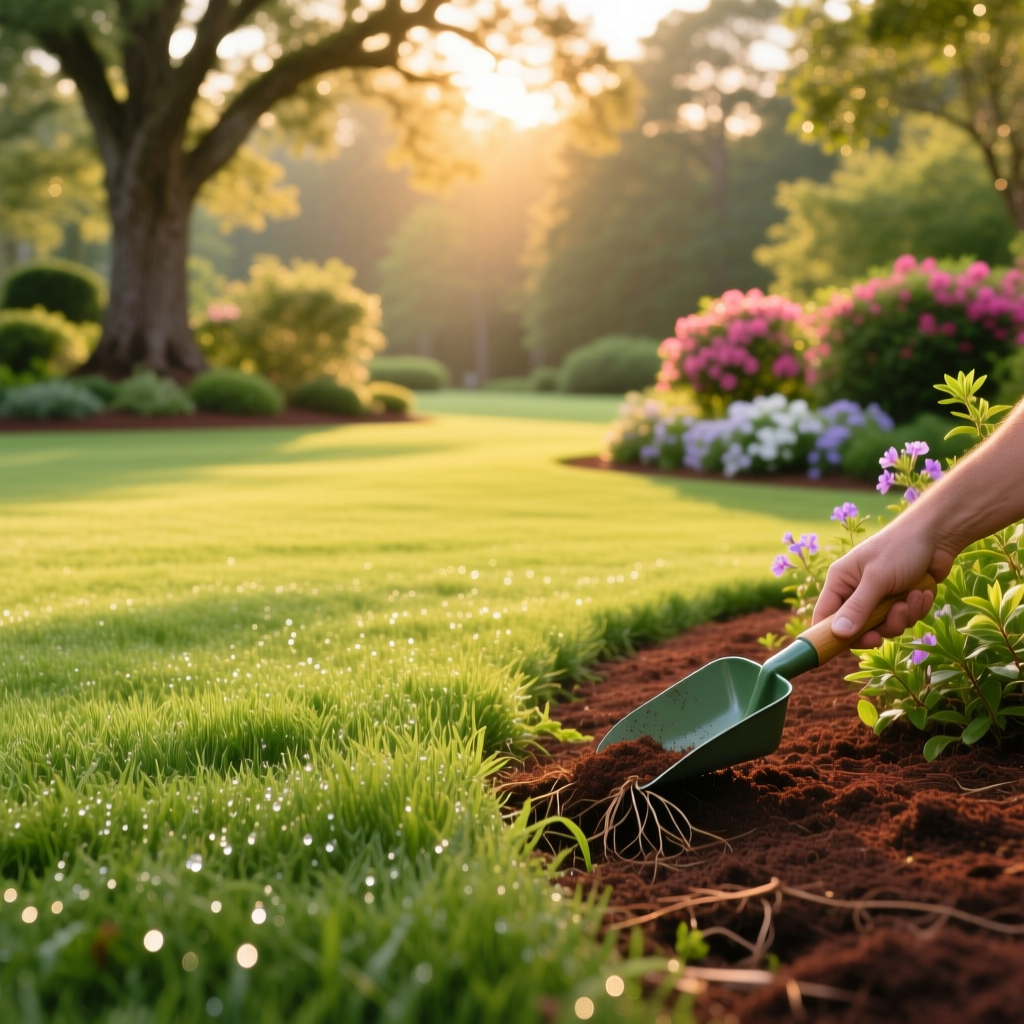
The Ultimate Guide to Organic Lawn Care in Atlanta
Mike RodriguezPublished
The Ultimate Guide to Organic Lawn Care in Atlanta
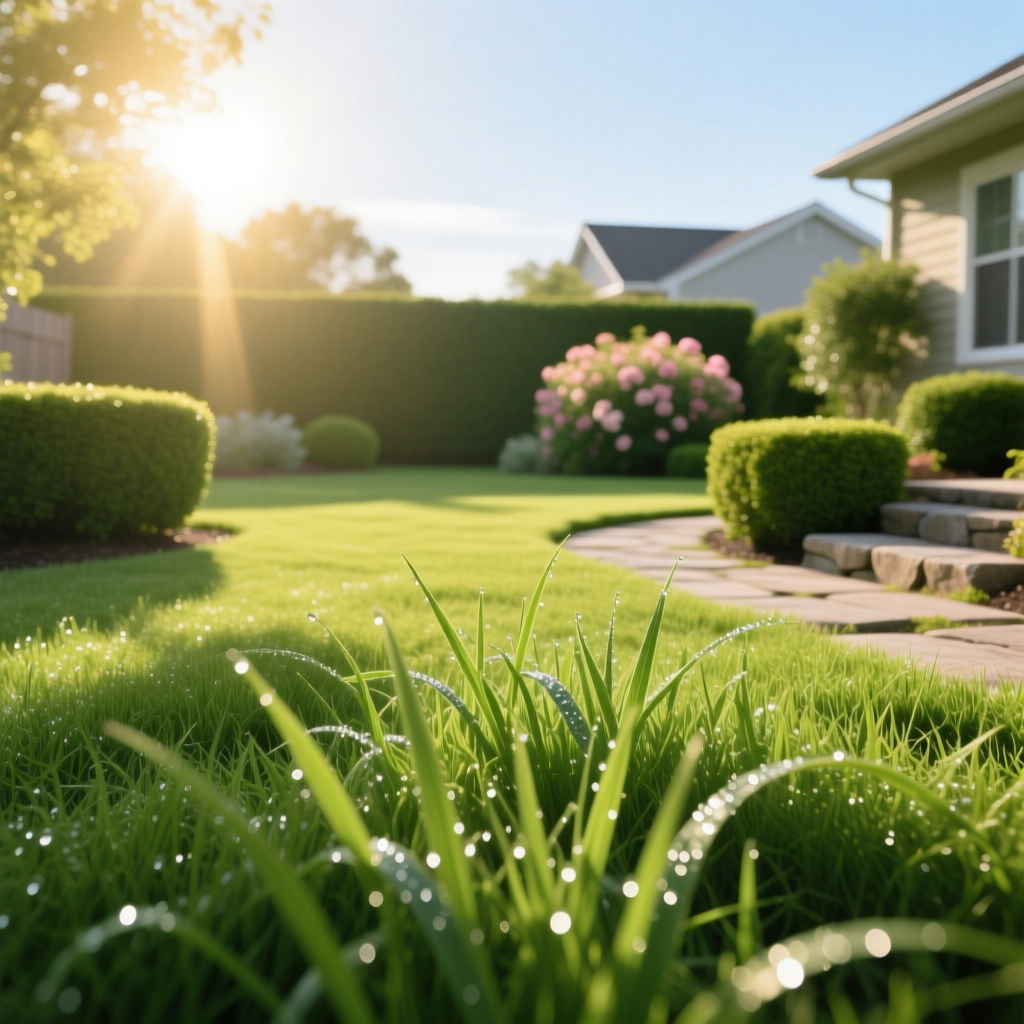
Achieving a lush, vibrant lawn in Atlanta presents a unique set of challenges. Nestled in the transition zone, the region experiences sweltering, humid summers and mild but unpredictable winters. Combine this climate with the notorious Georgia red clay, and many homeowners feel forced to rely on harsh synthetic chemicals to keep their turf alive. However, a thriving, resilient yard is entirely possible without them. Organic lawn care in Atlanta is not just a trend; it is a sustainable approach that builds long-term soil health, protects the local watershed, and creates a safer environment for your family, pets, and local pollinators.
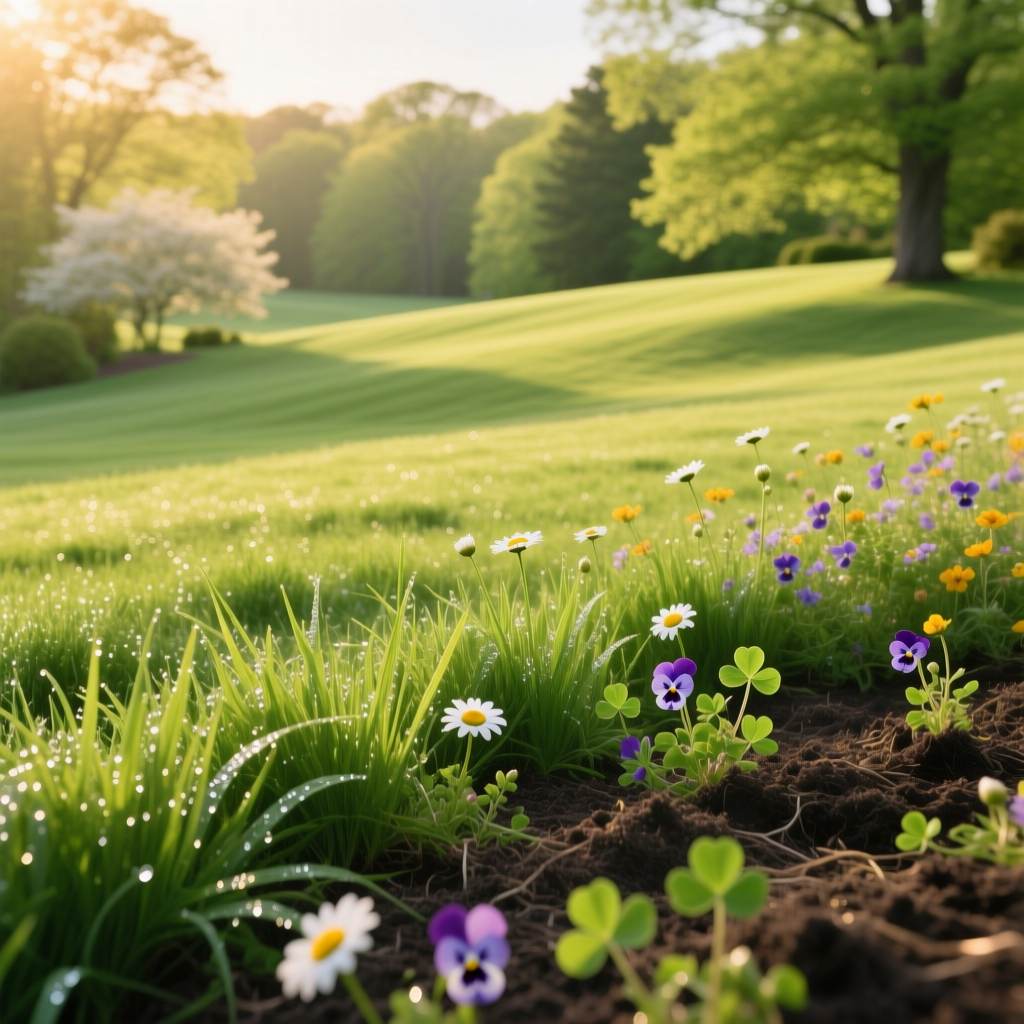
Transitioning to an organic lawn care routine requires a shift in mindset. Instead of feeding the grass directly with synthetic salts, you focus on feeding the soil ecosystem. When the soil is rich in organic matter and teeming with beneficial microbes, your grass will naturally develop the deep roots required to survive Atlanta's summer droughts and outcompete common weeds. This comprehensive guide will walk you through the actionable steps, seasonal timing, and natural products needed to cultivate a beautiful organic lawn in the heart of Georgia.
Understanding Atlanta's Soil and Grass Types
Before applying any organic amendments, you must understand the foundation of your lawn: the soil and the grass species you are growing. Atlanta is famous for its dense, compacted red clay. Clay particles are incredibly small and pack tightly together, which restricts water infiltration, limits oxygen flow to the roots, and makes it difficult for grassroots to penetrate deeply. Furthermore, clay soils in the Southeast tend to be acidic and lack the organic matter necessary to support a robust microbial food web.
To combat clay naturally, you must introduce organic matter. This acts as a sponge, holding moisture and nutrients while physically breaking up the compacted clay structure to improve drainage and aeration. You can learn more about evaluating your yard's specific needs in our detailed soil testing guide.
Atlanta also sits squarely in the turf transition zone, meaning both warm-season and cool-season grasses can be grown, though each comes with distinct organic care requirements:
- Warm-Season Grasses: Bermudagrass and Zoysiagrass are incredibly popular in Atlanta due to their heat and drought tolerance. They thrive in the summer sun but go completely dormant and brown after the first hard frost in late fall.
- Cool-Season Grasses: Tall Fescue is the go-to choice for homeowners who want a green lawn year-round, particularly in shaded yards where warm-season grasses struggle. Fescue requires careful organic management to survive the brutal Atlanta summer heat without succumbing to fungal diseases like Brown Patch.
Step-by-Step Organic Soil Preparation
The secret to an organic lawn in Atlanta lies in soil amendment. Because synthetic fertilizers bypass the soil biology and feed the plant directly, organic gardeners must build a nutrient-rich soil profile. Here is how to transform your compacted red clay into a living, breathing ecosystem.
1. Core Aeration
Mechanical core aeration is non-negotiable for Atlanta lawns. By pulling small plugs of soil from the ground, you relieve compaction and create physical channels for water, oxygen, and organic amendments to reach the root zone. For warm-season grasses, aerate in late spring or early summer when the grass is actively growing. For Tall Fescue, aerate in early fall before overseeding.
2. Compost Top-Dressing
Immediately after aerating, apply a thin layer (about 1/4 to 1/2 inch) of high-quality, screened organic compost over the entire lawn. The compost will fall into the aeration holes, directly inoculating the subsoil with beneficial microbes and organic matter. Over time, this process dramatically improves the texture of Georgia red clay, turning it into a dark, loamy soil that retains moisture during summer droughts.
3. Liquid Aeration and Humic Acids
If mechanical aeration is not an option, or if you want to supplement your physical aeration, liquid aeration products containing humic and fulvic acids are excellent organic tools. These carbon-based compounds help chelate (bind) nutrients in the soil, making them available to the grass roots, while simultaneously encouraging microbial activity that naturally loosens compacted clay particles over time.
Natural Weed and Pest Control Strategies
A thick, healthy lawn is your best defense against weeds and pests. However, Atlanta's humid climate and long growing season mean you will inevitably face invasions from crabgrass, dallisgrass, and fire ants. Organic lawn care relies on prevention, biological controls, and naturally derived spot treatments rather than broad-spectrum synthetic poisons.
Organic Pre-Emergent Weed Control
Corn Gluten Meal (CGM) is a natural byproduct of the corn milling process that acts as an organic pre-emergent herbicide. It inhibits root formation in germinating weed seeds. To be effective in Atlanta, CGM must be applied when soil temperatures reach about 55°F in early spring (usually late February to early March) to prevent crabgrass, and again in early fall to prevent winter annual weeds. Keep in mind that CGM is also high in nitrogen, so it will feed your lawn while protecting it.
Natural Post-Emergent Solutions
For weeds that have already sprouted, organic options require a bit more elbow grease. Hand-pulling is highly effective for taproot weeds like dandelions and plantain, especially after a heavy Georgia rain when the clay soil is soft. For broadleaf weeds, iron-based herbicides (FeHEDTA) are an excellent, naturally derived option that causes cellular collapse in broadleaf weeds without harming your turfgrass. Horticultural vinegar (20% to 30% acetic acid) can be used for spot-treating weeds in driveway cracks or garden beds, but use it carefully, as it is non-selective and will burn your grass if oversprayed.
Managing Fire Ants and Grubs Organically
Fire ants are a persistent nuisance in the South. Organic baits containing Spinosad, a natural substance made by soil-dwelling bacteria, are highly effective. Worker ants carry the bait back to the colony, eliminating the queen without leaving toxic residues in your yard. For white grubs, which can attract digging wildlife and damage grassroots, apply beneficial nematodes (specifically Heterorhabditis bacteriophora) to the soil in late summer. These microscopic worms naturally seek out and destroy grub populations. You can read more about identifying turf pests in our comprehensive weed and pest guide.
The Atlanta Organic Lawn Care Calendar
Timing is everything in the transition zone. Applying the right organic product at the wrong time can lead to wasted money or turf damage. Follow this seasonal calendar to keep your Atlanta lawn thriving year-round.
Spring (March to May)
As soil temperatures warm, your lawn wakes up. For Tall Fescue, this is the time to apply a light application of organic nitrogen to support spring growth before the summer heat sets in. For warm-season grasses, wait until the lawn is at least 50% green and has been mowed twice before applying heavy organic fertilizers. Apply Corn Gluten Meal in early spring to suppress crabgrass. As the weather warms, begin mowing your warm-season grasses at a lower height to encourage lateral spreading, while keeping Fescue high (3.5 to 4 inches) to shade the soil and conserve moisture.
Summer (June to August)
Atlanta summers are hot, humid, and prone to drought. Organic lawns with deep roots and compost-amended soil will fare much better than chemically treated lawns. Water deeply and infrequently—about 1 inch per week, preferably in the early morning to prevent fungal diseases. Avoid heavy nitrogen applications on Tall Fescue during the summer, as this promotes Brown Patch fungus. If your warm-season grass shows signs of chlorosis (yellowing), a foliar spray of liquid kelp or chelated iron can provide a quick, organic green-up without pushing excessive, heat-stressing top growth.
Fall (September to November)
Fall is the most critical season for Atlanta lawns. For Tall Fescue lawns, early fall is the time to aerate, overseed, and apply a heavy top-dressing of compost. The cool autumn nights and warm soil create the perfect environment for seed germination. Apply an organic fall fertilizer (like a blend of bone meal, kelp, and feather meal) to help the fescue build deep roots. For warm-season grasses, apply a high-potassium organic amendment to promote winter hardiness and root storage before the grass goes dormant after the first frost.
Winter (December to February)
Your warm-season lawn will be dormant and brown, while Fescue will remain green but grow very slowly. Use this time to maintain your equipment, sharpen mower blades, and plan your organic strategy for the upcoming year. If winter weeds like henbit and poa annua emerge, spot-treat them with iron-based herbicides or hand-pull them before they go to seed in early spring.
Essential Tools and Organic Products for Your Shed
To execute an effective organic lawn care program in Atlanta, you need the right tools and amendments. Stock your shed with these essentials:
- Mulching Mower: Leaving grass clippings on the lawn returns valuable nitrogen and organic matter directly to the soil. Ensure your mower has a sharp mulching blade to chop clippings finely so they decompose rapidly.
- Quality Spreaders and Sprayers: A broadcast spreader is necessary for evenly distributing compost, corn gluten meal, and organic granular fertilizers. A hose-end sprayer is ideal for applying liquid kelp, compost tea, and humic acids.
- Organic Granular Fertilizers: Look for OMRI-listed (Organic Materials Review Institute) fertilizers. Ingredients like feather meal, poultry manure, bone meal, and sulfate of potash provide slow-release, steady nutrition that won't burn your lawn or leach into the Chattahoochee River watershed.
- Compost Tea Brewer: Actively aerated compost tea (AACT) is a liquid extract teeming with beneficial bacteria and fungi. Spraying this on your lawn monthly helps outcompete pathogenic fungi and accelerates the breakdown of thatch and organic matter in the soil.
- Soil Moisture Meter: Atlanta's summer watering restrictions can make it tricky to know when to irrigate. A simple soil probe or moisture meter ensures you are watering deeply and efficiently, preventing both drought stress and waterlogged fungal conditions.
For more tips on selecting the right equipment, check out our lawn mowing and equipment guide.
Frequently Asked Questions
Can I grow an organic lawn in pure, unamended red clay?
Growing a lush lawn in pure, unamended Georgia red clay using only organic methods is incredibly difficult. Clay lacks the pore space for oxygen and the organic matter required to sustain the microbial life that organic fertilizers depend on. While you can maintain a surviving lawn in clay, achieving a thick, drought-resistant, and weed-free organic lawn requires annual amendments. Core aeration combined with compost top-dressing is the only way to permanently alter the soil structure and create a hospitable environment for grassroots and beneficial microbes.
Is organic lawn care more expensive in Atlanta?
Initially, transitioning to organic lawn care can be more expensive due to the cost of bulk compost, aeration services, and high-quality organic amendments. However, over time, organic lawn care often becomes more cost-effective. Synthetic lawns require constant inputs of chemical fertilizers, herbicides, and frequent watering because the soil biology is degraded. An established organic lawn builds its own nutrient-cycling ecosystem, requires less water due to improved soil moisture retention, and naturally suppresses weeds, reducing your long-term maintenance costs.
How do I organically control fire ants in my yard?
Fire ants are a major issue in the Atlanta area. The most effective organic control method is the use of baits containing Spinosad. Unlike contact sprays that only kill the ants you see, Spinosad baits are carried back to the mound by worker ants, eventually eliminating the queen and the entire colony. Apply the bait in the late afternoon or evening when fire ants are actively foraging, and ensure the ground is dry so the bait doesn't dissolve before the ants can collect it. Diatomaceous earth can also be used as a natural barrier around specific garden beds, though it must be reapplied after every rain.
What is the best organic fertilizer for Atlanta's warm-season grasses?
Warm-season grasses like Bermudagrass and Zoysiagrass have high nitrogen requirements during their peak summer growing season. The best organic fertilizers for these grasses are those that provide a steady, slow release of nitrogen without causing a massive flush of top growth that invites pests. Feather meal, alfalfa meal, and composted poultry manure are excellent organic nitrogen sources. Additionally, incorporating liquid sea kelp into your summer routine provides essential micronutrients and natural plant growth hormones that help warm-season grasses withstand extreme Atlanta heat and humidity.
How often should I water my organic lawn during an Atlanta summer drought?
During an Atlanta summer drought, the goal is to encourage deep root growth. Watering a little bit every day is detrimental, as it trains roots to stay near the surface where they quickly dry out. Instead, water your organic lawn deeply one or two times a week, applying about 1/2 to 1 inch of water per session. The best way to measure this is by placing empty tuna cans around your yard and timing how long it takes your sprinkler system to fill them. Always water in the early morning (between 4:00 AM and 8:00 AM) to minimize evaporation and prevent fungal diseases that thrive in Atlanta's humid nights.