Lawn Care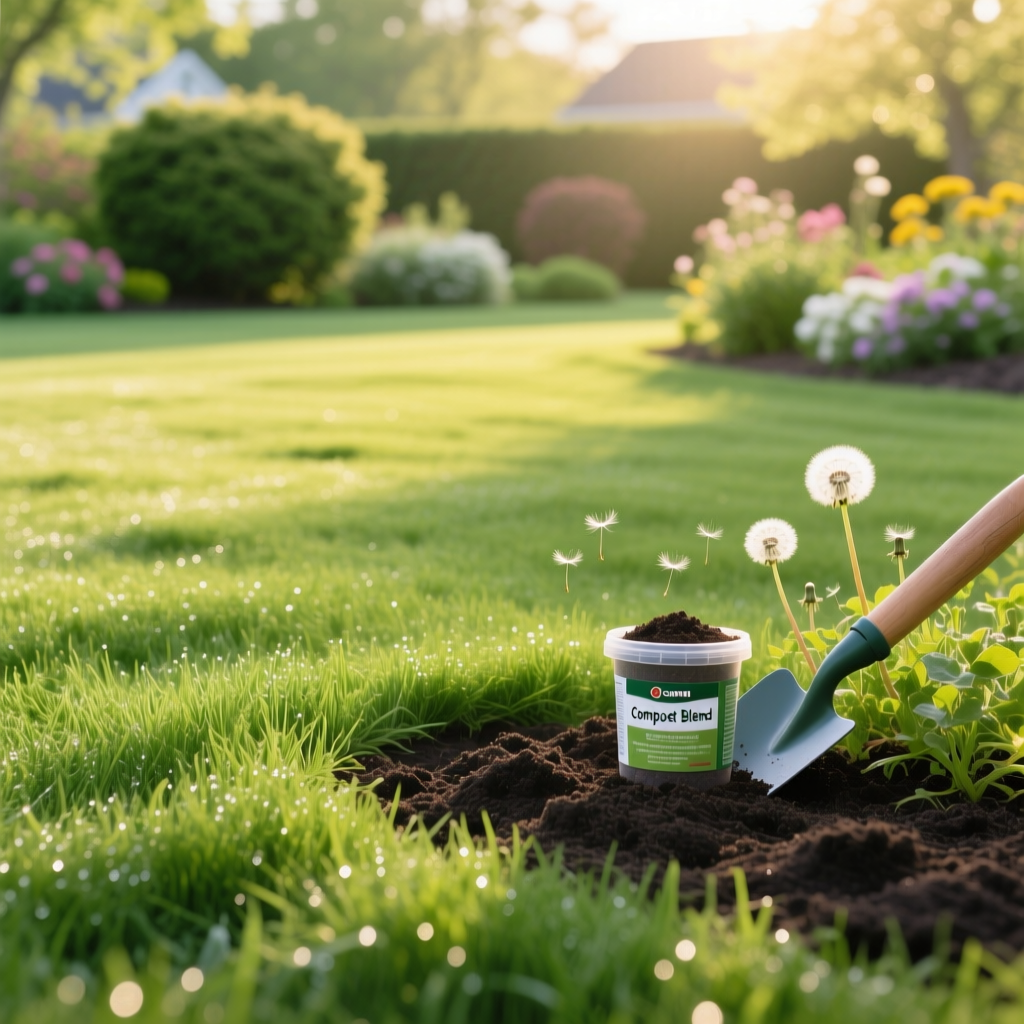
Organic Lawn Care in Richmond, VA: A Complete Guide to a
Richmond, Virginia, sits squarely in the heart of the transition zone, where cool-season grasses meet warm-season varieties. This unique climate—characterized by hot, humid summers and moderately cold winters—creates both opportunities and challenges for homeowners who want to maintain a lush, healthy lawn without relying on synthetic chemicals. Whether you are tending to a sprawling yard in the West End or a compact urban lot in the Fan District, organic lawn care in Richmond, VA, is not just an environmentally responsible choice; it is a practical strategy that builds long-term soil health, reduces water consumption, and produces a lawn that is naturally resilient to pests, diseases, and the stresses of Virginia weather.
The transition zone climate means Richmond homeowners typically grow tall fescue, Kentucky bluegrass, or Bermudagrass, each with distinct needs. Organic methods work exceptionally well with all of these grass types because they focus on building the soil ecosystem rather than simply feeding the grass with quick-release synthetic nutrients. In this comprehensive guide, you will learn how to transition to organic lawn care practices tailored specifically to Richmond’s climate, soil conditions, and seasonal rhythms. For a broader overview of natural lawn practices, check out our complete organic lawn care guide.
Understanding Richmond’s Soil & Climate for Organic Lawn Care
Before you spread a single handful of compost or adjust your mowing height, you need to understand the ground beneath your feet. Richmond’s soil profile is predominantly clay-heavy, a legacy of the Virginia Piedmont region’s geology. Clay soils are dense, compact easily, and tend to drain slowly, which can lead to waterlogged root zones during the wet spring months and hard, cracked surfaces during summer droughts. Understanding these characteristics is essential for anyone serious about organic lawn care in Richmond, VA.
Why Soil Testing Is Your First Step
Every successful organic lawn care program begins with a soil test. Virginia Cooperative Extension offers affordable soil testing kits that analyze your soil’s pH, nutrient levels, and organic matter content. Richmond’s clay soils typically have a pH between 5.0 and 6.5, which is slightly acidic. Most lawn grasses thrive at a pH between 6.0 and 7.0, so you will likely need to amend your soil with lime to raise the pH to optimal levels.
Order a soil test in early spring or fall. The results will tell you exactly which nutrients your soil lacks and how much organic matter it contains. This information is invaluable because organic lawn care is fundamentally about correcting soil imbalances naturally rather than masking deficiencies with synthetic products. If you are new to soil science, our soil testing guide breaks down every detail of reading and interpreting your results.
The Transition Zone Factor
Richmond’s location in the USDA Plant Hardiness Zone 7a-7b means your lawn experiences genuine seasonal shifts. Cool-season grasses like tall fescue and Kentucky bluegrass grow vigorously in spring and fall but struggle during July and August heat. Warm-season grasses like Bermudagrass and Zoysia thrive in summer but go dormant and brown in winter. This seasonal dynamic directly affects your organic care calendar, and timing your practices correctly is critical. Learn more about choosing the right species in our grass types guide.
Building Healthy Soil the Organic Way
The cornerstone of organic lawn care in Richmond, VA, is building soil that is alive with beneficial microorganisms, rich in organic matter, and structured well enough to allow air, water, and roots to penetrate deeply. Synthetic fertilizers feed the grass directly but do nothing for the soil biology. Organic methods work differently: you feed the soil, and the soil feeds the grass. This approach takes longer to show results, but the long-term payoff is a lawn that requires fewer inputs, resists weeds naturally, and stays green through stress periods.
Top-Dressing with Compost
Compost is the single most impactful product you can use in an organic lawn care program. Applying a thin layer (about 1/4 to 1/2 inch) of high-quality compost over your lawn once or twice per year introduces billions of beneficial microbes, improves soil structure, and provides a slow, steady release of nutrients. For Richmond’s clay soils, compost is especially valuable because it helps break up compaction and improves drainage over time.
You can purchase bagged compost from local garden centers or arrange for bulk delivery from Richmond-area suppliers. Look for compost that is OMRI-listed (Organic Materials Review Institute) to ensure it meets organic standards. Leaf compost, mushroom compost, and blended organic compost are all excellent choices. Apply compost in early fall or early spring when the grass is actively growing and can benefit most from the nutrient influx.
Core Aeration to Combat Clay Compaction
Richmond’s clay soils compact under foot traffic, mowing, and the weight of rainfall. Compacted soil restricts root growth, limits water infiltration, and creates anaerobic conditions that favor disease. Core aeration—the process of removing small plugs of soil from the lawn—is one of the most effective organic practices for relieving compaction.
For cool-season grasses like tall fescue, aerate in early fall (September to October). For warm-season grasses like Bermudagrass, aerate in late spring to early summer (May to June). After aerating, leave the soil plugs on the lawn to break down naturally, and immediately top-dress with compost so it can work into the aeration holes. This one-two punch of aeration plus compost is transformative for clay-heavy Richmond lawns. Our lawn aeration guide covers the full process in detail.
Using Organic Soil Amendments
Beyond compost, several organic amendments can address specific soil deficiencies identified in your soil test:
- Garden lime (calcium carbonate): Raises soil pH, which is often necessary in Richmond’s naturally acidic soils. Apply according to your soil test recommendations, typically in fall.
- Gypsum (calcium sulfate): Adds calcium without changing pH and helps improve clay soil structure by promoting flocculation, which creates space between clay particles.
- Biochar: A highly stable form of carbon that improves water retention and provides habitat for beneficial soil microbes. Mixing biochar with compost before top-dressing amplifies the benefits of both.
- Rock phosphate or greensand: Natural sources of phosphorus and potassium, respectively, which support root development and overall plant vigor.
Natural Fertilization & Weed Control Strategies
One of the most common concerns homeowners have about switching to organic lawn care in Richmond, VA, is whether natural products can deliver the same lush, green results as synthetic fertilizers. The answer is yes, but the approach and timeline differ. Organic fertilizers release nutrients slowly as soil microbes break them down, which means your lawn receives a steady, consistent supply of nutrition rather than the rapid flush-and-crash cycle of synthetic products.
Best Organic Fertilizers for Richmond Lawns
Several categories of organic fertilizers work exceptionally well in Richmond’s climate:
- Corn gluten meal: A byproduct of corn processing that provides slow-release nitrogen (approximately 10% N) and has natural pre-emergent herbicidal properties. Apply in early spring (when forsythia blooms) to suppress crabgrass germination while feeding your lawn.
- Feather meal: A high-nitrogen organic fertilizer (12-15% N) derived from poultry processing. It breaks down over several weeks and is ideal for spring and fall applications on cool-season grasses.
- Fish emulsion & hydrolyzed fish fertilizer: Liquid organic fertilizers that provide quick-acting nitrogen plus trace minerals. These are excellent for spot-treating thin areas or giving your lawn a quick boost during the growing season.
- Kelp meal or liquid seaweed: Rich in micronutrients, growth hormones, and natural stress-relief compounds. Seaweed products help lawns tolerate Richmond’s summer heat and drought conditions.
- Milorganite (if acceptable for your organic standards): A heat-dried microbial product derived from wastewater treatment. While not OMRI-listed, many homeowners consider it a natural option. Check your local regulations and personal standards before use.
For a typical Richmond lawn of tall fescue, plan to apply organic fertilizer three to four times per year: once in early spring (March), once in late spring (May), once in early fall (September), and once in late fall (November). The fall applications are the most important for cool-season grasses because they promote root growth and carbohydrate storage for winter survival. Visit our lawn fertilizing guide for detailed schedules and application rates.
Organic Weed Prevention & Control
The best weed control in an organic lawn care program is a thick, healthy turf. Weeds are opportunistic; they invade thin, bare, or stressed areas. By maintaining proper mowing height, adequate fertility, and deep watering, you create conditions where desirable grass outcompetes most weeds. That said, Richmond lawns face persistent pressure from certain weeds, and organic methods can manage them effectively.
Pre-emergent weed control: Corn gluten meal, applied in early spring at a rate of 20 pounds per 1,000 square feet, inhibits seed germination and provides a natural barrier against crabgrass and other annual weeds. Timing is critical: apply when soil temperatures reach 55°F, which typically coincides with forsythia bloom in Richmond (mid-to-late March).
Post-emergent weed control: For broadleaf weeds like dandelions, clover, and plantain, organic options include horticultural vinegar (20-30% acetic acid), iron-based herbicides (FeHEDTA), and good old-fashioned hand-pulling. Iron-based herbicides are particularly effective because they kill broadleaf weeds while actually feeding the surrounding grass with iron, which promotes deep green color. Apply on a warm, sunny day for best results, and avoid spraying when temperatures exceed 85°F to prevent turf stress.
Cultural weed control: Overseeding thin areas in fall with a competitive tall fescue blend is one of the most effective organic weed management strategies. A dense turf canopy shades the soil surface, preventing weed seeds from receiving the light they need to germinate. Our overseeding guide walks you through the entire process step by step.
Seasonal Organic Lawn Care Calendar for Richmond, VA
Timing is everything in lawn care, and Richmond’s transition zone climate demands a seasonal approach that adapts to the needs of your specific grass type. Below is a comprehensive month-by-month organic lawn care calendar designed for the Richmond area. Adjust timing slightly based on the specific weather conditions each season brings.
Spring (March through May)
Spring in Richmond is a period of rapid growth for cool-season grasses and gradual green-up for warm-season varieties. Your organic to-do list for spring includes:
- March: Apply corn gluten meal for pre-emergent weed control and light nitrogen feeding. If your soil test indicates low pH, apply lime now. Sharpen mower blades and prepare equipment for the season.
- April: Begin mowing cool-season grasses at 3 to 4 inches. Leave clippings on the lawn to return nitrogen and organic matter to the soil (a practice called mulch mowing). Apply a liquid kelp or fish emulsion treatment to boost early-season vigor.
- May: Apply a granular organic fertilizer (feather meal or soybean meal) for sustained nutrition through early summer. For warm-season grasses, this is the time to begin regular mowing and the first fertilizer application of the year. Address any bare spots with overseeding before summer heat arrives.
Summer (June through August)
Summer is the most stressful season for Richmond lawns. Cool-season grasses slow their growth and may go dormant during extended heat and drought, while warm-season grasses hit their peak. Organic summer care focuses on stress management:
- June: Raise mowing height to 3.5 to 4 inches for cool-season grasses. Taller grass shades the soil, conserves moisture, and promotes deeper root growth. Water deeply and infrequently (about 1 inch per week, including rainfall) to encourage roots to grow downward.
- July: Minimize foot traffic on stressed cool-season lawns. Apply liquid seaweed to help grass tolerate heat stress. Avoid fertilizing cool-season grasses during peak summer heat, as this forces growth when the plant is naturally trying to rest. Warm-season grasses can receive a light organic fertilizer application.
- August: Monitor for grub activity (signs include brown patches that pull up easily and increased bird or mole activity). Beneficial nematodes (Heterorhabditis bacteriophora) are an effective organic treatment for grubs. Apply nematodes in the evening when soil is moist, and water them in immediately.
Fall (September through November)
Fall is the most important season for organic lawn care in Richmond, VA, especially if you grow cool-season grasses. The combination of warm soil, cool air, and increased rainfall creates ideal conditions for root growth, seed germination, and soil amendment.
- September: Core aerate the lawn and immediately top-dress with compost. Overseed with a high-quality tall fescue blend suited to Richmond’s climate. Apply a granular organic fertilizer to fuel fall root growth. This is the single most impactful month for lawn improvement.
- October: Apply a second round of organic fertilizer in late October to build carbohydrate reserves for winter. Continue mowing as needed, gradually lowering the cutting height to about 2.5 inches for the final mow of the season. Rake or mulch fallen leaves to prevent them from smothering the grass.
- November: Perform the final mow of the season. Apply a winterizer organic fertilizer (high in potassium from sources like sulfate of potash or kelp meal) to improve cold hardiness. Clean and winterize irrigation systems and mowing equipment.
Winter (December through February)
Winter is a rest period for your lawn and an opportunity for you to plan. Avoid walking on frozen or frost-covered grass, which can damage crowns. Use the winter months to review your soil test results, order organic products for spring, and study up on best practices. If you experience a mild winter with temperatures above 40°F, cool-season grasses may continue slow root growth, and you can apply a light compost top-dressing in late February to jump-start spring recovery.
Water Management & Pest Control the Natural Way
Water and pest management are two areas where organic lawn care practices can save Richmond homeowners significant money while producing better results. Let us explore how to handle both without synthetic chemicals.
Smart Watering Practices for Organic Lawns
Richmond receives approximately 43 inches of rainfall annually, which is generally adequate for lawn grass. However, rainfall distribution is uneven, and summer droughts are common. Organic lawn care emphasizes deep, infrequent watering that encourages roots to grow deep into the soil profile, where moisture is more stable.
Water your lawn early in the morning (between 4 AM and 8 AM) to minimize evaporation and reduce the risk of fungal diseases, which thrive on prolonged leaf wetness. Aim for about 1 inch of water per week during the growing season, delivered in one or two deep watering sessions rather than daily light sprinklings. Use a rain gauge or empty tuna cans placed on the lawn to measure how much water your irrigation system delivers.
Organic matter in the soil acts like a sponge, holding water and making it available to roots over time. This is another reason why compost top-dressing is so valuable for Richmond lawns. Each 1% increase in soil organic matter allows the soil to hold approximately 20,000 additional gallons of water per acre. Over time, an organically managed lawn requires less supplemental irrigation than one dependent on synthetic fertilizers. For more watering strategies, see our lawn watering guide.
Natural Pest & Disease Management
Richmond’s humidity creates favorable conditions for several lawn diseases, including brown patch (Rhizoctonia solanea), dollar spot, and gray leaf spot. Organic disease management focuses on cultural practices that reduce favorable conditions:
- Avoid over-fertilizing with nitrogen during warm, humid weather, as lush, rapid growth is more susceptible to fungal infection.
- Improve air circulation by pruning overhanging branches and thinning dense shrub borders.
- Water in the morning so grass blades dry quickly.
- Apply compost tea or liquid humic acid to introduce beneficial microbes that compete with disease-causing pathogens.
For insect pests, organic options are surprisingly effective:
- Beneficial nematodes: Microscopic worms that parasitize grubs, chinch bugs, and other soil-dwelling pests. Apply with a hose-end sprayer in late summer or early fall when pest larvae are small and active.
- Bacillus thuringiensis (Bt): A naturally occurring soil bacterium that targets caterpillars, including sod webworms and armyworms, which occasionally damage Richmond lawns.
- Neem oil: A botanical insecticide and fungicide derived from the neem tree. It disrupts insect feeding and reproduction and can suppress certain fungal diseases.
- Encourage beneficial insects: Ground beetles, spiders, and predatory wasps are natural pest controllers. Maintaining diverse plantings around your lawn’s edges provides habitat for these helpful creatures.
Recommended Organic Products & Tools for Richmond Lawns
Having the right products and tools on hand makes organic lawn care efficient and effective. Here is a curated list of recommendations specifically suited to Richmond’s conditions:
Essential Products
- OMRI-listed compost — Source locally from Richmond-area suppliers for the freshest, most regionally adapted product.
- Corn gluten meal — For spring pre-emergent weed control and nitrogen fertilization.
- Feather meal or soybean meal — Primary granular organic nitrogen sources for fall and spring feeding.
- Liquid kelp/seaweed extract — For stress relief, micronutrients, and root stimulation.
- Iron-based herbicide (FeHEDTA) — For selective broadleaf weed control without synthetic chemicals.
- Garden lime — For raising soil pH based on soil test results.
- Beneficial nematodes (Hb species) — For organic grub and soil pest control.
- Tall fescue seed blend — Choose a blend containing multiple cultivars for genetic diversity and disease resistance. Look for varieties rated well for the transition zone.
Essential Tools
- Core aerator (rent from local equipment rental shops or hire a service) — Essential for annual clay soil management.
- Spreaders — A broadcast spreader for granular fertilizers and compost, and a drop spreader for precise seed application.
- Soil probe or screwdriver — To check soil moisture depth and compaction levels.
- Rain gauge — To track natural precipitation and calibrate irrigation.
- Sharp mower blades — Clean cuts heal faster and reduce disease entry points. Sharpen or replace blades at least twice per season.
- Mulching mower — Returns clippings to the lawn, recycling nitrogen and organic matter. Many modern mowers have excellent mulching capabilities built in.
Frequently Asked Questions About Organic Lawn Care in Richmond, VA
How long does it take to transition a Richmond lawn to organic care?
Transitioning from synthetic to organic lawn care typically takes one to three full growing seasons. During the first year, you may notice a temporary decline in lawn appearance as the soil biology shifts and adjusts. This is normal. Synthetic fertilizers provide immediate, readily available nutrients, while organic fertilizers require microbial activity to release nutrients, which takes time to establish. By the second year, most homeowners report that their organic lawn is as green and healthy as it ever was under synthetic care, and by the third year, the lawn is typically more resilient, drought-tolerant, and lower-maintenance than before. Be patient, follow the seasonal calendar outlined above, and trust the process.
Can I maintain a completely organic lawn with dogs and children playing on it?
Absolutely. In fact, organic lawn care is one of the safest options for families with active children and pets. Synthetic pesticides and herbicides have been linked to health concerns, and many homeowners switch to organic methods specifically to eliminate chemical exposure. Organic products like compost, corn gluten meal, kelp extract, and iron-based herbicides are safe for people and pets once applied and watered in. The only precaution is to keep children and pets off the lawn immediately after applying any product (including organic ones) until it has been watered in or settled, typically 24 hours. A well-maintained organic lawn is soft, dense, and perfectly suited for play.
What is the best grass type for an organic lawn in Richmond, VA?
For most Richmond homeowners, turf-type tall fescue is the best choice for an organic lawn. Tall fescue is a cool-season grass that is well adapted to the transition zone, has deep roots that help it access moisture in clay soils, and exhibits good disease resistance when managed organically. Look for blends containing three or more named cultivars (such as ‘Titan Ultra,’ ‘Faith,’ or ‘Rebel’ types) to ensure genetic diversity. If you have a sunny, heavily used lawn and do not mind winter dormancy, Bermudagrass is a warm-season alternative that thrives organically in Richmond summers. For a detailed comparison, visit our tall fescue guide and our Bermudagrass guide.
How do I deal with crabgrass organically in Richmond?
Crabgrass is one of the most common weeds in Richmond lawns, and managing it organically requires a multi-pronged approach. First, apply corn gluten meal in early spring (when soil temperatures reach 55°F, typically mid-March in Richmond) to inhibit crabgrass seed germination. Second, maintain a mowing height of 3 to 4 inches throughout the growing season; tall grass shades the soil surface and prevents crabgrass seeds from receiving the light they need to sprout. Third, overseed thin areas in fall so that the lawn is dense enough by spring to outcompete crabgrass seedlings. If crabgrass does appear, hand-pull it before it sets seed (usually by mid-July). Each year you follow this program, crabgrass pressure will decrease as the seed bank in the soil is depleted and your turf becomes denser.
Is organic lawn care more expensive than conventional methods in Richmond?
Initially, organic lawn care can be slightly more expensive due to the cost of compost, organic fertilizers, and soil amendments. However, costs decrease significantly over time as your soil health improves and your lawn becomes more self-sustaining. An organically managed lawn requires less water (saving on utility bills), fewer fertilizer applications (because the soil biology continuously cycles nutrients), and fewer pest and disease treatments (because a healthy lawn resists problems naturally). Most Richmond homeowners find that by the third year, their annual lawn care expenses are comparable to or lower than what they spent on synthetic programs, with the added benefit of a safer, more sustainable yard. The long-term investment in soil health pays dividends for decades.
Final Thoughts on Organic Lawn Care in Richmond, VA
Organic lawn care in Richmond, VA, is not a fad or a compromise. It is a scientifically sound approach that builds resilient, beautiful lawns by working with nature rather than against it. By understanding Richmond’s unique clay soils, transition zone climate, and seasonal rhythms, you can create a lawn care program that produces outstanding results while protecting the health of your family, your pets, and the Chesapeake Bay watershed that Richmond’s waterways ultimately feed.
Start with a soil test, build your soil with compost and organic amendments, fertilize with natural products timed to your grass type’s growth cycle, manage weeds through cultural practices and organic controls, and be patient as your lawn transforms. The journey to a thriving organic lawn is one of the most rewarding investments you can make in your property and your environment. Explore more lawn care strategies in our lawn care hub to continue building your knowledge.
