
Lawn Care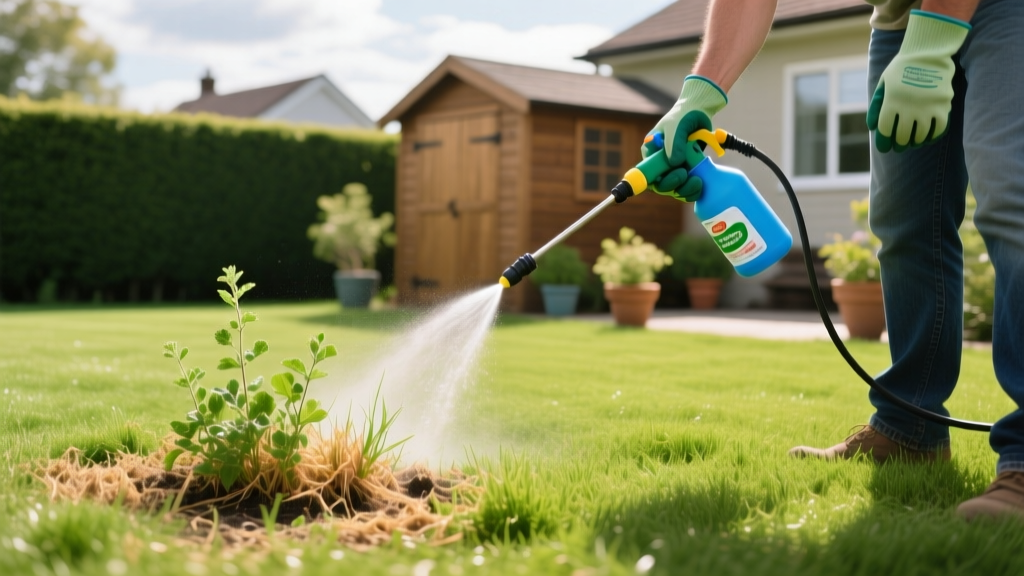
Best Pet Friendly Weed and Grass Killer for Lawn Spot Treatment
The Chemistry of Pet-Safe Spot Treatments
When managing isolated weed outbreaks in a yard shared with dogs and cats, the primary concern is avoiding synthetic auxins (like 2,4-D) and systemic glyphosate, which carry documented risks of paw-pad absorption and gastrointestinal toxicity. A true pet friendly weed and grass killer relies on contact-based or naturally occurring mineral mechanisms that degrade rapidly or pose negligible mammalian toxicity. According to the ASPCA Animal Poison Control Center, the majority of lawn chemical exposures occur when pets walk on wet, freshly treated grass and subsequently lick their paws.
To eliminate this risk, professional lawn care operators utilize three primary active ingredients for spot treatments:
- FeHEDTA (Iron HEDTA): A chelated iron compound that causes iron toxicity in broadleaf weeds, leading to cellular necrosis, while desirable turfgrasses simply absorb the iron and turn temporarily darker green.
- Nonanoic Acid (Pelargonic Acid): A fatty acid naturally found in plants like pelargoniums. It strips the waxy cuticle off plant leaves, causing rapid desiccation. It is non-selective, meaning it will kill grass if oversprayed.
- Acetic Acid (Horticultural Vinegar): Typically formulated at 20% to 30% concentration. It lowers the cellular pH of the weed, rupturing cell membranes. Like nonanoic acid, it is non-selective.
Weed Species Matchmaker: Selective vs. Non-Selective Spot Treatment
Choosing the correct pet friendly weed and grass killer depends entirely on the botanical classification of the target weed and its proximity to your desirable turf. The EPA's Safe Pest Control guidelines emphasize using the most targeted approach to minimize environmental impact.
| Target Weed Species | Recommended Active Ingredient | Selective? | Average Cost per 1,000 sq ft | Pet Re-Entry Time |
|---|---|---|---|---|
| Dandelion, Broadleaf Plantain, Clover | FeHEDTA (Chelated Iron) | Yes (Spares Grass) | $4.50 - $6.00 | 2-4 Hours (When Dry) |
| Crabgrass, Goosegrass, Foxtail | Nonanoic Acid (Fatty Acid) | No (Kills Grass) | $3.00 - $4.50 | 12-24 Hours |
| Nutsedge, Bermudagrass encroachment | Acetic Acid (20%+ Vinegar) | No (Kills Grass) | $2.50 - $4.00 | 2-4 Hours (When Dry) |
Top 3 Commercial Formulations for Spot Treatment
Rather than mixing unstable DIY solutions, commercial formulations include surfactants and stabilizers that ensure the active ingredient actually penetrates the weed's cuticle. Here are the top professional-grade, pet-safe options available for homeowner use.
1. Fiesta Turf Weed Killer (FeHEDTA)
Fiesta is the gold standard for broadleaf spot treatment in pet-heavy households. The active ingredient, iron HEDTA, is highly effective against dandelions and thistles. Application rate: 3.5 to 7 fluid ounces per gallon of water. Pro Tip: Apply during cooler parts of the day (under 80°F). If applied in high heat, the iron can cause temporary phytotoxicity (leaf burn) to your desirable Kentucky Bluegrass or Fescue. Once the liquid evaporates and the leaf is dry to the touch, it is entirely safe for dogs and cats to walk on.
2. BurnOut II Weed & Grass Killer (Nonanoic Acid)
Formulated with nonanoic acid and citric acid, BurnOut II is a non-selective contact herbicide. It is ideal for spot-treating crabgrass patches in dormant warm-season lawns, or for edging along driveways where grass meets concrete. It works in under 15 minutes on sunny days. Because it contains natural fatty acids, the Humane Society notes that these organic acids break down rapidly in the soil, posing zero long-term risk to pets digging in the treated area. Wait 24 hours before allowing pets to dig in the soil to ensure the fatty acids have fully bound to soil organic matter.
3. Doctor Kirchner Natural Weed Killer (Acetic Acid)
This formulation utilizes high-concentration acetic acid combined with a soap-based surfactant. It is highly effective on young, annual grassy weeds (under 4 inches tall). It will not kill mature, deep-rooted perennials like established nutsedge. Because it lacks residual soil activity, you can safely overseed the spot-treated area just 48 hours after application.
⚠️ Veterinary Warning on Paw Pad Absorption: Even with pet-safe ingredients, wet liquid solutions can cause mild, temporary dermatitis on sensitive paw pads. Always enforce the "dry-to-safe" rule. If your pet walks on a wet application, wash their paws with mild dish soap and water immediately to prevent them from ingesting the solution during grooming.
The "Dry-to-Safe" Application Protocol
To maximize weed mortality while minimizing pet exposure, follow this strict spot-treatment sequence:
- Mow First: Mow the lawn 24 hours before treatment. This removes excess leaf canopy from desirable grass and exposes the broadleaf weeds to direct spray.
- Calibrate the Sprayer: Use a dedicated 1-gallon pump sprayer with a pin-stream or cone nozzle. Avoid fan nozzles, which create fine mist drift that can land on adjacent pet toys or water bowls.
- Target the Crown: For rosette weeds like dandelions, aim the spray directly at the center crown, not just the outer leaves. This ensures the FeHEDTA translocates down to the taproot.
- Enforce the Re-Entry Window: Keep pets indoors or in an untreated zone for a minimum of 3 hours, or until the foliage is completely dry to the touch.
Common Spot-Treatment Failures and DIY Traps
The internet is flooded with DIY pet friendly weed and grass killer recipes that actually cause long-term damage to your soil biology and turf health.
The Salt and Vinegar Myth
Adding table salt (sodium chloride) to vinegar solutions is a catastrophic error for lawn health. While sodium desiccates weeds, it also destroys soil structure by displacing calcium and magnesium, leading to compacted, hydrophobic soil that will not support future grass growth. Furthermore, if a dog ingests soil heavily treated with salt, it can lead to sodium ion poisoning, a severe veterinary emergency.
Boiling Water Limitations
Pouring boiling water on weeds is technically pet-safe once the water cools, but it is highly inefficient. Boiling water only cooks the top 1/2 inch of the plant crown. It fails to penetrate the soil deeply enough to kill the taproots of mature broadleaf weeds, resulting in rapid regrowth within 10 to 14 days. It also indiscriminately kills beneficial soil nematodes and mycorrhizal fungi in the splash zone.
Troubleshooting Poor Results with Iron HEDTA
If you applied Fiesta or a similar FeHEDTA product and the dandelions are still green after 7 days, check your water pH. Chelated iron is highly sensitive to alkaline conditions. If your tap water has a pH above 7.5, the iron precipitates out of the solution before it can penetrate the weed. The Fix: Add 1/2 ounce of ammonium sulfate per gallon of water to lower the spray solution's pH to 5.5 before adding the herbicide.
By matching the specific active ingredient to the weed species and strictly adhering to dry-time re-entry protocols, you can maintain a pristine, weed-free lawn without compromising the health and safety of your pets.

