
Lawn Care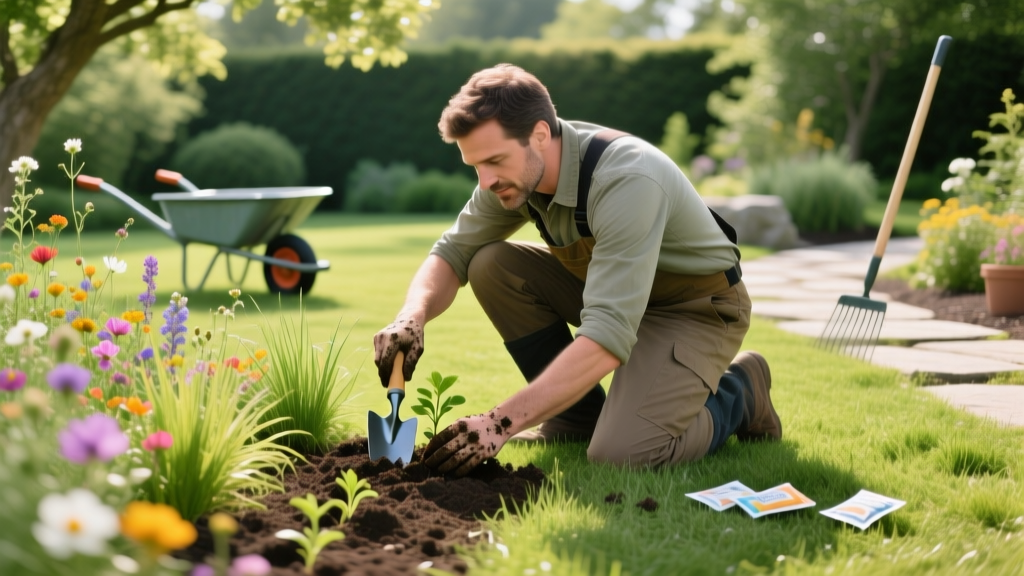
How to Plant and Maintain a Substitute for Lawn: Step-by-Step
As municipal water restrictions tighten and synthetic fertilizer costs continue to climb in 2026, homeowners are increasingly seeking a viable substitute for lawn grass. Traditional turfgrasses like Kentucky Bluegrass and Bermudagrass require immense inputs: weekly mowing, heavy nitrogen applications, and up to 60 gallons of water per square foot annually. Transitioning to low-input groundcovers—such as Dutch microclover, Kurapia, or creeping thyme—drastically reduces maintenance while supporting local pollinators and improving soil health. According to the EPA WaterSense program, outdoor water use accounts for nearly 30% of total household water consumption in the U.S., making lawn substitution one of the most impactful environmental upgrades a homeowner can make.
However, replacing turf is not as simple as scattering seed over dying grass. A successful transition requires precise site preparation, calculated planting densities, and a modified long-term maintenance protocol. Below is the definitive, step-by-step procedure for establishing and maintaining a lawn substitute.
Choosing the Right Substitute for Your Climate and Usage
Before breaking ground, you must match the groundcover to your site's microclimate and foot traffic requirements. A common failure mode in lawn substitution is planting shade-loving moss in full-sun, high-traffic corridors. Use this decision matrix to select the correct species.
| Groundcover Species | Foot Traffic Tolerance | Water Requirement (vs. Turf) | Sun/Shade Preference | Establishment Time |
|---|---|---|---|---|
| Dutch Microclover (Trifolium repens) | Moderate to High | 50% Less | Full Sun to Partial Shade | 6–8 Weeks |
| Kurapia (Lippia nodiflora) | Low to Moderate | 70% Less | Full Sun (Drought/Heat) | 3–5 Months |
| Creeping Thyme (Thymus serpyllum) | Low (Stepping stones) | 60% Less | Full Sun | 10–12 Weeks |
| Star Moss (Sagina subulata) | Very Low | 40% Less | Partial to Full Shade | 4–6 Months |
Step 1: Site Preparation and Turf Eradication
You cannot successfully establish a lawn substitute over existing, aggressive turfgrass. The existing root system will outcompete young groundcover seedlings for nutrients and moisture. You have two primary eradication methods:
Method A: Soil Solarization (Organic & Thorough)
- Mow the existing lawn as short as your mower deck allows (usually 1 to 1.5 inches).
- Water the soil deeply to a depth of 4 inches; moist soil conducts heat better, accelerating the pasteurization process.
- Roll out clear, 6-mil UV-resistant polyethylene plastic over the entire area. Do not use black plastic; clear plastic traps the short-wave solar radiation and creates a greenhouse effect that reaches 140°F in the top 2 inches of soil.
- Overlap seams by at least 6 inches and bury the perimeter edges in a 4-inch trench to trap the heat.
- Leave the plastic in place for 4 to 6 weeks during peak summer heat (July/August). This kills grass, weed seeds, and soil-borne pathogens.
Method B: Mechanical Sod Cutting (Immediate Results)
Rent a walk-behind sod cutter (typically $75–$95 per day). Set the blade depth to exactly 1.5 inches to remove the grass and root mat while preserving the valuable topsoil beneath. Roll up the sod and compost it or use it to patch other areas of your property.
Step 2: Soil Amendment and Grading
Lawn substitutes generally thrive in poorer soils than traditional turf, but they still require proper drainage and aeration. According to University of Minnesota Extension, compacted soil is the leading cause of groundcover failure in the first year.
- De-compaction: Use a core aerator or a broadfork to fracture the soil to a depth of 4–6 inches.
- Topdressing: Apply a 1/4-inch layer of screened, aged compost. Do not use high-nitrogen synthetic fertilizers; excess nitrogen will encourage aggressive broadleaf weeds to outcompete your new substitute.
- Grading: Rake the area smooth, ensuring a 1% to 2% slope away from your home's foundation to prevent water pooling.
Step 3: Seeding or Planting the Groundcover
Planting procedures vary drastically depending on whether you are using seed or vegetative plugs.
Seeding Dutch Microclover
Microclover seed is incredibly fine. The recommended seeding rate is 2 lbs per 1,000 square feet. To ensure even distribution and prevent wind drift, mix the seed at a 1:3 ratio with dry, fine masonry sand. Broadcast the mixture using a drop spreader, then lightly drag a piece of chain-link fence or a lawn leveling rake over the soil to ensure seed-to-soil contact. Do not bury the seed deeper than 1/8 inch.
Planting Kurapia or Thyme Plugs
Vegetative substitutes like Kurapia are sold in 72-count plug trays. For a 1,000 sq. ft. area, you will need approximately 450 plugs. Plant them in a diamond grid pattern with 15-inch spacing. This specific spacing allows the stolons to knit together and provide 100% coverage within 3 to 4 months during the active growing season.
⚠️ Warning: Pre-Emergent Herbicides
Never apply pre-emergent herbicides (like prodiamine) before planting a substitute for lawn from seed or plugs. These chemicals inhibit root development in new seedlings and will cause total crop failure. Wait until the groundcover has fully knit together (usually 6–9 months) before using targeted, post-emergent spot treatments for invasive weeds.
Step 4: Establishment Watering Protocol
The first 30 days dictate the survival rate of your lawn substitute. Because groundcover seeds and plugs have shallow initial root systems, they require frequent, light irrigation rather than deep, infrequent soakings.
- Days 1–14: Water for 5–10 minutes, 2 to 3 times per day. The top 1 inch of soil must remain consistently moist but not waterlogged.
- Days 15–30: Reduce frequency to once per day, increasing the duration to 15 minutes to encourage deeper root penetration.
- Days 31–60: Transition to 1 inch of water per week, applied in two separate sessions.
Long-Term Maintenance Procedures
Once established, the maintenance paradigm shifts entirely. You are no longer "mowing" to cut grass; you are "trimming" to manage height and encourage lateral spreading.
Mowing and Trimming
For Penn State Extension guidelines on clover lawns, set your mower deck to 2.5 to 3 inches. Mow only when the clover exceeds 4 inches or when it blooms heavily and you wish to tidy the appearance. Always use a mulching blade to return nitrogen-rich clippings directly to the soil. For creeping thyme and Kurapia, maintain a height of 1.5 to 2 inches using a string trimmer or a mower on its highest setting.
Fertilization Requirements
Leguminous substitutes (like microclover) fix their own atmospheric nitrogen via Rhizobium bacteria in their root nodules. Do not apply nitrogen fertilizer to clover. Excess nitrogen will cause the clover to grow tall and leggy, making it susceptible to disease and shading out its own lower leaves. If the foliage turns pale yellow (chlorosis), it is likely a micronutrient deficiency (iron or molybdenum), which should be treated with a liquid kelp or chelated iron spray rather than a synthetic N-P-K blend.
5-Year Cost Comparison: Traditional Turf vs. Lawn Substitutes
The financial argument for a lawn substitute becomes undeniable when calculating the 5-year total cost of ownership (TCO) for a standard 1,000 sq. ft. yard, factoring in 2026 average utility and material rates.
| Cost Category (Per 1,000 sq ft) | Kentucky Bluegrass (Traditional) | Dutch Microclover | Kurapia (Plugs) |
|---|---|---|---|
| Initial Installation | $450 (Sod & Soil Prep) | $120 (Seed & Compost) | $650 (Plugs & Labor) |
| Annual Water Costs (x5 Years) | $1,250 | $450 | $250 |
| Fertilizer & Weed Control (x5) | $600 | $0 | $150 |
| Mowing Fuel / Maintenance (x5) | $550 | $100 | $120 |
| Total 5-Year TCO | $2,850 | $670 | $1,170 |
Expert Insight: "The highest ROI for a lawn substitute isn't just in water savings; it's in the reclamation of your time. A well-established Kurapia or microclover lawn reduces weekend maintenance from 3 hours of mowing, edging, and blowing down to just 20 minutes of perimeter trimming once a month."
Final Checklist for Success
Before starting your project, ensure you have verified your local HOA regulations regarding turf alternatives, tested your soil pH (aiming for 6.0–6.5 for clover), and scheduled your planting for either early spring (after the last frost) or early fall (6 weeks before the first freeze). By following these precise procedures, your substitute for lawn will provide a lush, resilient, and ecologically beneficial landscape for decades.

