
Lawn Care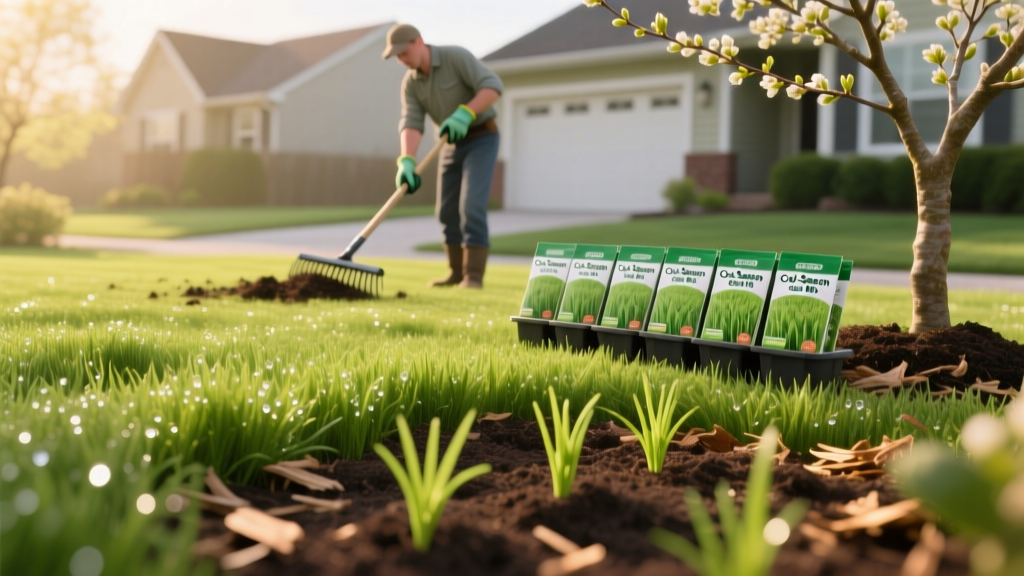
When to Plant Spring Grass: Regional Calendars & Seed Tips
The Spring Seeding Dilemma: Racing the Summer Heat
Deciding when to plant spring grass is one of the most critical decisions a homeowner makes all year. Unlike fall seeding, which benefits from warm soil and cool air, spring planting is a race against the clock. You must establish a robust root system before the brutal heat and drought of summer arrive. While many generic guides suggest planting 'in early spring,' this vague advice leads to widespread seed failure, fungal rot, and aggressive weed competition.
To succeed, you must abandon calendar dates and rely entirely on soil temperature metrics and regional hardiness zones. According to the USDA Plant Hardiness Zone Map, microclimates can shift your ideal planting window by up to three weeks compared to neighboring counties. This guide provides the exact soil temperature thresholds, regional calendars, and chemical conflict warnings you need to establish a thriving lawn this spring.
The Soil Temperature Rule: Why Calendar Dates Fail
Grass seed does not know what month it is; it only responds to thermal energy. Planting in cold, wet soil is the number one cause of spring seed failure. When soil temperatures are too low, seeds absorb moisture but cannot initiate the metabolic processes required for germination. This leads to seed rot and Pythium blight.
Target Soil Temperature Thresholds
- Cool-Season Grasses (Fescue, Bluegrass, Ryegrass): Require a consistent soil temperature of 50°F to 65°F at a 2-inch depth.
- Warm-Season Grasses (Bermuda, Zoysia, Centipede): Require a consistent soil temperature of 65°F to 70°F at a 2-inch depth.
Measurement Tip: Use a probe soil thermometer (like the REOTEMP Garden Thermometer, approx. $25) inserted 2 inches deep. Take readings at 8:00 AM for three consecutive days to confirm stability.
Regional Timing Calendars for Spring Grass Planting
Because soil warming rates vary drastically by latitude and elevation, your planting window is strictly tied to your region. The following calendar outlines the historical target windows for spring seeding based on regional climate data and turfgrass extension research from institutions like the University of Minnesota Extension.
| USDA Zone | Region Examples | Target Grass Type | Optimal Spring Window | Soil Temp Target |
|---|---|---|---|---|
| Zones 3-4 | Upper Midwest, Northern New England | Cool-Season | April 20 – May 15 | 50°F+ |
| Zones 5-6 | Mid-Atlantic, Lower Midwest | Cool-Season | April 1 – April 25 | 50°F+ |
| Zone 7 | Transition Zone (VA, NC, TN) | Cool or Warm | March 15 – April 10 | 50°F (Cool) / 65°F (Warm) |
| Zones 8-9 | Deep South, Gulf Coast | Warm-Season | April 10 – May 20 | 65°F+ |
| Zone 10 | South Florida, Coastal SoCal | Warm-Season | March 1 – April 15 | 65°F+ |
The Pre-Emergent Herbicide Conflict (Critical Warning)
⚠️ Do Not Mix Standard Pre-Emergents with Spring Seeding
The most common reason spring grass fails to grow is chemical interference. Homeowners routinely apply standard crabgrass preventers (containing prodiamine or dithiopyr) in early spring. These chemicals create a barrier that stops cell division in germinating seeds. They cannot distinguish between crabgrass and your expensive turfgrass seed. If you apply a standard pre-emergent, you must wait 8 to 12 weeks before planting grass seed, which pushes you directly into the lethal summer heat.
The Expert Solution: If you must seed in spring and also need crabgrass control, use a starter fertilizer containing mesotrione (e.g., Scotts Turf Builder Triple Action Built for Seeding) or apply a liquid mesotrione product like Tenacity at the time of seeding. Mesotrione inhibits photosynthesis in broadleaf weeds and crabgrass but is safe for germinating Kentucky Bluegrass, Tall Fescue, and Fine Fescue. Alternatively, products containing siduron (Tupersan) are safe for new seedings, though they are harder to find and more expensive.
Step-by-Step Spring Seeding Protocol
Follow this precise sequence to maximize germination rates and seedling survival during the volatile spring weather.
- Conduct a Soil Test: Do not skip this. Send a sample to a lab like LawnStarter or your local university extension (cost: $20–$30). Spring soils are often highly acidic due to winter leaching. If your pH is below 6.2, apply fast-acting calcitic lime at a rate of 20 lbs per 1,000 sq ft two weeks before seeding.
- Prepare the Seedbed: Avoid heavy core aeration in the spring, as it brings dormant weed seeds to the surface. Instead, use a heavy steel rake or a power dethatcher to scratch the top 1/4 inch of soil, creating deep grooves for seed-to-soil contact.
- Select the Right Cultivar: Avoid generic 'contractor grade' seed. For cool-season lawns, look for NTEP-rated (National Turfgrass Evaluation Program) cultivars. 'Titan Ultra' or 'Rhamball' Tall Fescue offer deep rooting and drought tolerance. For warm-season, 'Yukon' Bermuda provides excellent cold tolerance in the transition zone.
- Calibrate and Sow: Use a broadcast spreader. Apply half the seed walking north-to-south, and the other half walking east-to-west. Target rates: 6-8 lbs per 1,000 sq ft for Tall Fescue; 2-3 lbs per 1,000 sq ft for Kentucky Bluegrass.
- Apply Starter Fertilizer: New seedlings need immediate phosphorus for root development. Apply a high-phosphorus starter fertilizer (like a 24-25-4 NPK ratio) on the same day you sow the seed.
- Top-Dress and Roll: Apply a 1/8 inch layer of compost or peat moss to retain moisture. Rent a lightweight lawn roller (approx. $35/day) to press the seed firmly into the soil profile.
Spring Watering Strategy: The Germination Phase
Spring winds and sudden warm spells can dry out the top inch of soil in hours. During the first 21 days, your watering strategy must be radically different from an established lawn.
- Days 1–14 (Germination): Water lightly 3 to 4 times a day for 5–10 minutes per zone. The goal is to keep the top 1 inch of soil consistently damp, not soggy. Overwatering will wash away seed and invite Pythium blight.
- Days 15–30 (Establishment): Once seedlings reach 1.5 inches tall, reduce frequency to once daily, but increase the duration to 20 minutes to encourage roots to chase moisture downward.
- Day 30+ (Deep Rooting): Transition to the standard 1 inch of water per week, applied in two deep soakings to prepare the grass for summer heat stress.
Troubleshooting Common Spring Planting Failures
Symptom: Seed Turns Mushy, White, or Disappears
Cause: Seed rot due to cold soil temperatures (below 50°F) combined with excessive moisture. Fungal pathogens thrive in cold, wet environments.
The Fix: You cannot save rotted seed. You must wait for soil temperatures to stabilize above 50°F, lightly rake the area to remove fungal mats, and re-seed. Apply a preventative fungicide containing azoxystrobin if the issue persists.
Symptom: Grass Sprouts Beautifully, Then Dies in Early June
Cause: Shallow root systems unable to withstand the first major heat wave. This happens when homeowners continue light, frequent watering too late into the spring, or fail to transition to deep watering.
The Fix: In late May, begin stretching out watering intervals. If the grass shows signs of wilting (footprints remain on the turf), apply a slow-release nitrogen fertilizer and water deeply (45+ minutes) to push roots below the heat zone.
Symptom: Crabgrass and Broadleaf Weeds Outgrow the New Grass
Cause: Seeding in heavily compacted soil without proper prep, or failing to use a seed-safe pre-emergent like mesotrione.
The Fix: Do not apply standard post-emergent herbicides (like 2,4-D) to new grass until it has been mowed at least three times. Hand-pull aggressive weeds early, and ensure your new turf is mowed at 3 inches to shade out weed seedlings.
Expert Product Recommendations for Spring Seeding
Investing in premium inputs drastically reduces the risk of spring failure. Here are the specific products turf professionals recommend for spring establishment:
- Premium Seed: Jonathan Green Black Beauty Ultra Grass Seed (Approx. $45 for 3 lbs). Contains deep-rooting turf-type tall fescues and Kentucky bluegrass specifically bred for drought resistance.
- Starter Fertilizer: Scotts Turf Builder Starter Food for New Grass (Approx. $22 for 5,000 sq ft coverage). The 24-25-4 NPK ratio provides the exact phosphorus burst needed for rapid root initiation.
- Seed-Safe Weed Control: Syngenta Tenacity Herbicide (Approx. $60 for 8 oz). When mixed at 1/2 tsp per gallon and sprayed at seeding, it bleaches competing weeds white while leaving new cool-season grass seedlings unharmed.
Final Takeaway
Successfully planting spring grass requires ignoring the calendar and trusting your soil thermometer. By waiting for the 50°F soil threshold, navigating the pre-emergent chemical minefield with mesotrione, and strictly managing your watering schedule through the first 30 days, you can establish a resilient lawn capable of surviving its first summer.

