
Lawn Care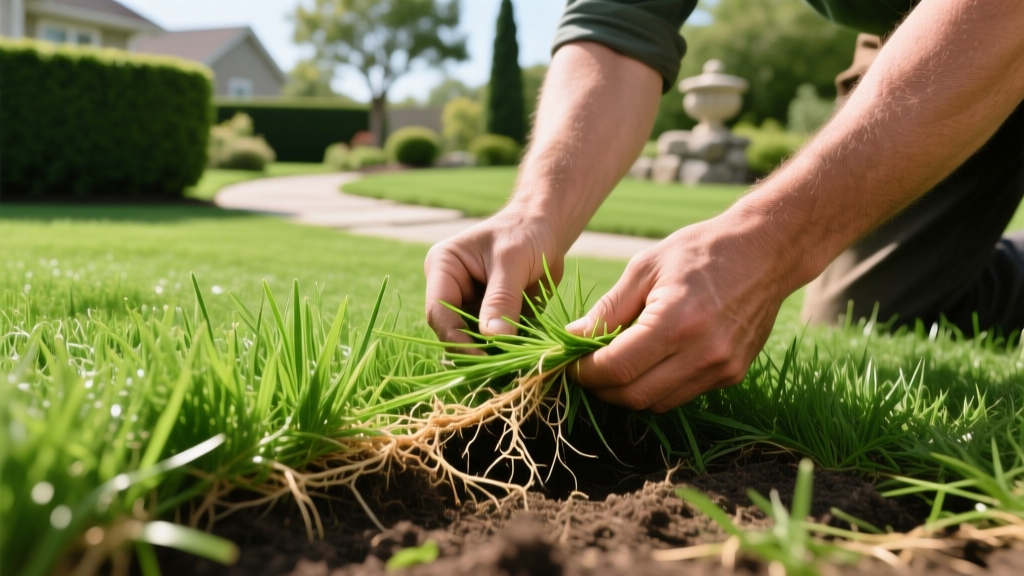
When Pulling Crabgrass by Hand Actually Works: Spot-Treatment Guide
The Reality of Manual Crabgrass Extraction
Crabgrass (Digitaria sanguinalis and Digitaria ischaemum) is an opportunistic annual grassy weed that thrives in compacted, thinning turf. While broadcast herbicide applications are standard for severe infestations, pulling crabgrass by hand remains the most ecologically sound and precise spot-treatment method for isolated patches. However, manual extraction is frequently executed poorly, resulting in root fragmentation, seed shatter, and rapid regrowth. According to the University of California Statewide IPM Program, a single mature crabgrass plant can produce up to 150,000 seeds in a single season, making the physical technique of removal just as critical as the decision to remove it.
This guide outlines the precise soil metrics, biomechanical techniques, and tool selections required to successfully extract crabgrass by the root system without triggering secondary seed dispersal.
The Anatomy of a Crabgrass Root System
To understand why hand-pulling often fails, you must understand the weed's subterranean structure. Unlike taproot weeds (such as dandelions), crabgrass relies on a dense, fibrous root system that typically penetrates the top 2 to 4 inches of the soil profile. In drought-stressed lawns, these roots can anchor deeper to seek moisture.
Data Highlight: Root Tensile Strength
The fibrous roots of large crabgrass possess high tensile strength but low shear resistance. When soil moisture drops below 12% Volumetric Water Content (VWC), the roots become brittle. Pulling dry crabgrass results in a 90% failure rate, as the foliage tears away from the crown, leaving the primary root nodes intact to regenerate within 48 hours.
The fibrous roots of large crabgrass possess high tensile strength but low shear resistance. When soil moisture drops below 12% Volumetric Water Content (VWC), the roots become brittle. Pulling dry crabgrass results in a 90% failure rate, as the foliage tears away from the crown, leaving the primary root nodes intact to regenerate within 48 hours.
Step-by-Step Protocol for Pulling Crabgrass by Hand
Successful manual extraction requires manipulating soil physics and plant biomechanics. Follow this exact protocol to ensure complete crown removal.
- Verify Soil Moisture (Target 15-25% VWC): The soil must be moist but not saturated. Water the target area with exactly 0.25 inches of water 12 hours before extraction. This lubricates the soil particles, reducing the friction holding the fibrous roots.
- Time the Extraction: Pull in the early morning (between 6:00 AM and 9:00 AM) when plant turgor pressure is at its peak. High turgor pressure ensures the stem remains rigid, transferring your pulling force directly to the root crown rather than stretching the foliage.
- Grip at the Crown, Not the Blades: Part the surrounding turfgrass and locate the pale, whitish-green base of the crabgrass stem (the crown). Pinch this base firmly between your thumb and index finger. Gripping the upper leaves guarantees a tear.
- Apply Torsional Tension: Do not pull straight up. Apply a gentle twisting motion (about 45 degrees) while pulling upward at a steady, slow pace. This torsional force breaks the soil's suction seal around the fibrous root hairs.
- Inspect the Root Ball: A successful extraction will yield a dense, soil-coated mat of fibrous roots with a distinct, bulbous crown attached. If the base is flat or severed, use a hand trowel to excavate the remaining crown immediately.
Tool-Assisted Manual Extraction vs. Bare Hands
While bare hands offer the highest tactile feedback, specific tools drastically reduce fatigue and improve extraction rates for mature plants with wider lateral spreads. Below is a functional comparison of manual extraction methods.
| Extraction Method | Ideal Use Case | Pros | Cons & Failure Modes |
|---|---|---|---|
| Bare Hands | Seedlings and early-stage tillering (May-June) | Maximum precision; zero soil disruption to surrounding turf. | High physical fatigue; difficult to grip mature, thick crowns. |
| Stand-Up Weeder (e.g., Fiskars 9460) | Mature plants with established lateral spread (July-August) | Ergonomic; leverages foot pressure to extract deep roots. | Claws can miss shallow lateral roots; leaves a 2-inch soil divot. |
| Hori-Hori Knife | Dry soil conditions; weeds growing near hardscape edges. | Severs lateral roots cleanly; allows precise crown excavation. | Requires kneeling; risks severing desirable turfgrass roots. |
The Seed Shatter Hazard: Timing Your Spot-Treatment
Warning: Late-Season Extraction Risks
By late August, large crabgrass develops mature panicles (seed heads). Disturbing these plants through manual pulling causes 'seed shatter'—a mechanism where mechanical vibration drops thousands of viable seeds directly into the newly created bare soil void. If you must pull mature, seed-bearing crabgrass by hand in late summer, place a small paper bag over the seed heads and secure it with a twist-tie before gripping the crown for extraction.
By late August, large crabgrass develops mature panicles (seed heads). Disturbing these plants through manual pulling causes 'seed shatter'—a mechanism where mechanical vibration drops thousands of viable seeds directly into the newly created bare soil void. If you must pull mature, seed-bearing crabgrass by hand in late summer, place a small paper bag over the seed heads and secure it with a twist-tie before gripping the crown for extraction.
Post-Extraction Spot Treatment & Soil Recovery
Pulling crabgrass by hand leaves a physical void in the turf canopy. According to Penn State Extension, bare soil exposed to direct sunlight is the primary catalyst for the next generation of crabgrass germination. You must immediately close the canopy.
The 3-Step Void Recovery Protocol
- Level the Soil: Collapse the edges of the extraction hole using the heel of your shoe. Do not leave a depression, as water will pool and create anaerobic soil conditions that harm surrounding turf roots.
- Apply a Pre-Emergent Barrier: If the extraction occurs in spring or early summer, sprinkle a pinch of granular pre-emergent (such as Prodiamine or Dithiopyr) directly into the void before filling it. This prevents latent seeds from utilizing the disturbed soil.
- Overseed with a Nurse Grass: Fill the void with a 50/50 mix of screened topsoil and perennial ryegrass seed. Perennial ryegrass germinates in 5 to 7 days, providing a rapid biological bandage that shades the soil and outcompetes any surviving crabgrass seedlings.
When to Abandon Hand Pulling: The 20% Threshold Metric
Manual extraction is a highly targeted spot-treatment, not a broad-spectrum solution. To determine if pulling crabgrass by hand is mathematically and physically viable for your lawn, apply the 20% Threshold Rule.
Walk your lawn and visually estimate the percentage of the total canopy covered by crabgrass. If the infestation exceeds 20% of the total turf area, manual extraction is no longer efficient. The time cost and the sheer volume of soil disturbance will cause more ecological damage to the lawn than the weeds themselves.
The Alternative: Once you cross the 20% threshold, transition to a selective post-emergent herbicide containing Quinclorac (e.g., Drive XLR8). Quinclorac mimics auxins in the plant, causing uncontrolled growth and eventual necrosis specifically in broadleaf and grassy weeds like crabgrass, without harming established cool-season turfgrasses like Kentucky Bluegrass or Tall Fescue. Always apply Quinclorac with a non-ionic surfactant to ensure the chemical penetrates the waxy cuticle of the crabgrass blades.

