
Lawn Care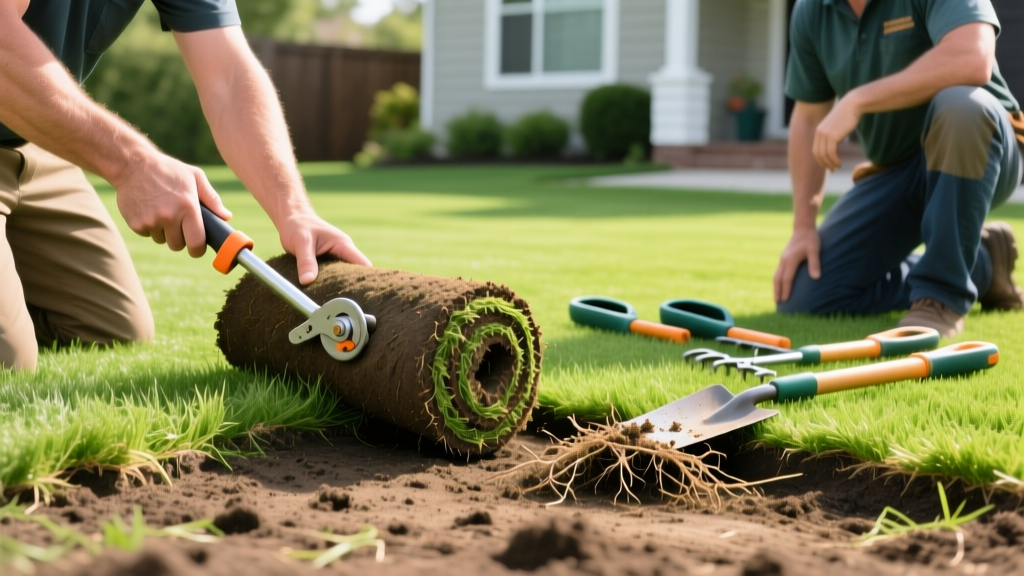
Removing Grass From Lawn: A Step-by-Step Turf Removal Guide
The Science of Turf Removal: Why Method Matters
When removing grass from lawn areas to install hardscaping, garden beds, or lay new sod, the method you choose dictates the long-term success of your soil preparation. Turfgrass species fall into two primary growth categories: bunch-type grasses (like tall fescue) and creeping grasses (like Kentucky bluegrass and Bermudagrass). Creeping grasses spread via rhizomes (underground stems) and stolons (above-ground runners). If you merely till the top layer without extracting these reproductive structures, you guarantee aggressive weed regrowth in your new landscape. This guide details three professional turf removal procedures—manual stripping, mechanical cutting, and solarization—with exact tool specifications, depth requirements, and cost breakdowns to ensure a clean slate for your next project.
Turf Removal Decision Matrix
Select your removal strategy based on the square footage of your project, your budget, and the specific grass species you are dealing with.
| Method | Best Application | Time Required (per 500 sq ft) | Estimated Cost | Labor Intensity |
|---|---|---|---|---|
| Manual Stripping | Small garden beds, tight corners, precise edging | 4 - 6 hours | $30 - $60 (Tools) | High |
| Mechanical Cutting | Large lawns, full-yard renovations, patio prep | 1 - 2 hours | $90 - $130 (Rental) | Medium |
| Solarization / Sheet Mulching | Eco-friendly prep, heavy weed infestations, no-dig beds | 4 - 8 weeks (Passive) | $40 - $80 (Materials) | Low |
Method 1: Manual Sod Stripping (Precision & Small Areas)
Manual removal is the gold standard for preserving the underlying topsoil structure while ensuring zero rhizome contamination. It is highly recommended for areas under 300 square feet or when working around existing tree root zones where mechanical tines would cause severe damage.
Step-by-Step Manual Protocol
- Hydrate the Soil: Water the lawn deeply 24 hours before removal. The goal is moist soil, not saturated mud. Moisture reduces the shear strength of the soil, making the sod easier to slice.
- Score the Grid: Use a half-moon edger or a flat steel spade to score the turf into 12-inch by 12-inch squares. Do not cut deeper than 2.5 inches. Cutting deeper removes valuable topsoil and makes the sod squares too heavy to lift (a 12x12x2.5 inch square of moist sod weighs approximately 35-45 lbs).
- Undercut the Roots: Insert a flat spade or a specialized sod lifter at a 15-degree angle beneath the scored grid. Push forward to sever the roots from the subsoil.
- Roll and Extract: Lift the square and immediately roll it grass-side inward. This keeps the soil contained and makes transport to your wheelbarrow significantly easier.
Pro Tool Recommendation: For manual undercutting, the Fiskars 46-inch Steel Sod Cutter (approx. $45) features a serrated edge and a foot lever that reduces lumbar strain by allowing you to use leg weight to sever tough rhizome networks.
Method 2: Mechanical Sod Cutting (Large Areas & Speed)
For projects exceeding 500 square feet, manual stripping becomes physically prohibitive. Mechanical sod cutters utilize a reciprocating horizontal blade to slice beneath the turf mat, producing continuous rolls of sod that can be easily hauled away or transplanted.
Equipment Specs & Operational Steps
- Equipment: Rent a walk-behind sod cutter (e.g., Class II or similar models available at major hardware rental centers). Expect to pay between $85 and $130 for a 4-hour rental window.
- Blade Calibration: Set the blade depth to exactly 2.0 to 2.5 inches. According to turf management guidelines from University of Minnesota Extension, removing more than 2.5 inches of soil profile unnecessarily depletes your site of organic matter and micronutrients.
- Cutting Passes: Run the machine in straight, overlapping lines. The standard cutting width is 12 to 18 inches. Leave a 6-inch uncut border at the edges of your property to manually finish with a spade, preventing the machine from damaging adjacent sidewalks or driveways.
- Rolling: As the machine ejects the sod ribbon, have a partner roll it immediately to prevent the soil from drying out and crumbling if you plan to reuse or donate the sod.
Warning - Invasive Rhizomes: If you are removing Bermudagrass or Quackgrass, mechanical cutting often leaves fragmented rhizomes in the soil. After cutting, you must follow up with a systemic glyphosate application (if local regulations permit) or transition to solarization to kill remaining root fragments before planting new beds.
Method 3: Sheet Mulching and Solarization (The No-Dig Approach)
If time is on your side and you want to avoid the physical toll and disposal costs of hauling away tons of dirt and grass, solarization and sheet mulching are highly effective. This method leverages the sun's thermal energy to cook the turf and weed seeds in place, while simultaneously decomposing the grass to add organic matter back into the soil profile.
Step-by-Step Solarization Protocol
- Mow Extremely Low: Scalp the existing lawn down to 1 inch using a rotary mower. This ensures the plastic or cardboard sits flush against the soil surface.
- Water Deeply: Saturate the soil to a depth of 12 inches. Moist soil conducts heat much more effectively than dry soil, accelerating the thermal kill of soil-borne pathogens and weed seeds.
- Apply the Barrier: For true solarization, use 6-mil UV-resistant clear polyethylene plastic. Clear plastic allows solar radiation to penetrate and trap heat, raising soil temperatures up to 140°F in the top 2 inches. For sheet mulching (which relies on light deprivation rather than heat), use overlapping layers of uncoated brown cardboard.
- Seal the Edges: Bury the perimeter of the plastic or cardboard in a 4-inch deep trench to prevent wind from lifting the barrier and to trap the thermal envelope.
- Wait: Leave the barrier in place for 4 to 6 weeks during the peak heat of summer (July-August). Research from UC Davis Integrated Pest Management confirms this timeframe is necessary to achieve a 95%+ kill rate on persistent perennial weeds and turfgrass rhizomes.
Post-Removal: Soil Grading and Disposal Logistics
Once the grass is removed, you are left with bare soil that requires immediate attention to prevent erosion and weed colonization.
Disposal Cost Breakdown
If you manually or mechanically removed the sod, you must dispose of it. A 500-square-foot lawn removed at a 2-inch depth yields approximately 3.5 cubic yards of heavy, moisture-laden sod, weighing close to 2 tons.
Landfill Tipping Fees: Most municipal green waste facilities charge by weight for sod disposal. Expect to pay $35 to $55 per ton.
Bagster / Dumpster: A standard 10-yard roll-off dumpster costs $350-$450, but be cautious: sod is incredibly dense. You will likely max out the weight limit (usually 2-3 tons) before filling the volume. A Waste Management Bagster (approx. $160 for pickup) holds up to 3,300 lbs and is often the most cost-effective solution for mid-sized sod removal projects.
Soil Testing and Amendment
Before installing new landscaping, conduct a baseline soil test. Extract 5 to 6 core samples at a 6-inch depth using a soil probe. Send the composite sample to a local university extension lab (typically $20-$30). The results will dictate your exact lime, sulfur, and NPK requirements, ensuring your new hardscape base or garden beds are built on a chemically balanced foundation.
Frequently Asked Questions
Can I till the existing grass directly into the soil?
Rototilling live grass into the soil is strongly discouraged for cool-season and creeping warm-season grasses. The tines chop the rhizomes and stolons into hundreds of viable fragments, essentially planting thousands of new weeds. Furthermore, the decomposition process of the buried grass will temporarily tie up soil nitrogen, causing severe nutrient deficiencies in any new plants you install immediately after tilling.
How long does it take for buried sod to decompose?
If you choose to bury sod by flipping it upside down (grass-side down) in a deep trench, it will take 6 to 12 months to fully decompose, depending on soil moisture and microbial activity. This technique is only viable if you are building raised beds on top of the area and do not need to plant directly into the native soil immediately.
Will vinegar or boiling water kill the grass effectively?
Horticultural vinegar (20-30% acetic acid) and boiling water are contact herbicides. They will burn off the foliar blades of the grass within 24 hours, but they do not translocate to the root system. For deep-rooted turfgrass, the roots will simply push up new shoots within two weeks. Systemic removal or physical extraction remains the only permanent solution for lawn removal.

