
Lawn Care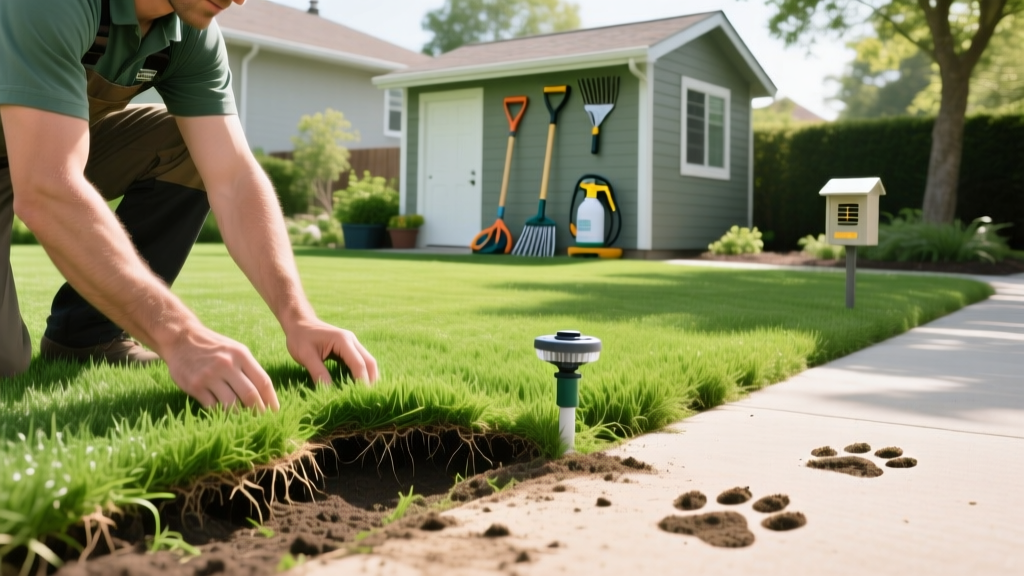
Step-by-Step Lawn Maintenance to Deter Animal Grass Eaters
The Impact of Animal Grass Eaters on Turf Health
Managing a residential landscape requires more than just balancing soil pH and scheduling irrigation; it often involves defending your turf against local wildlife. Animal grass eaters—ranging from white-tailed deer and Canada geese to Eastern cottontails and meadow voles—can decimate a carefully maintained lawn in a single season. Unlike insect grubs that attack the root zone, these herbivores shear off the photosynthetic leaf blades, compact the soil with heavy hooves, and tear up the thatch layer while foraging for tender shoots.
Recovering from this damage requires a targeted maintenance protocol. Standard overseeding will fail if the underlying attractants and access points are not addressed. This guide outlines a step-by-step lawn maintenance and repair procedure designed specifically to rehabilitate grazed turf and integrate long-term deterrence into your seasonal routine.
Phase 1: Diagnose the Herbivore Damage
Before purchasing seed or applying repellents, you must identify which animal grass eaters are targeting your property. Different herbivores leave distinct damage signatures that dictate your repair strategy. For instance, deer lack upper incisors, meaning they tear and rip grass and ornamental plants, leaving jagged, frayed ends. Rabbits, conversely, have sharp incisors that clip grass and stems at a clean 45-degree angle.
| Culprit | Damage Signature | Preferred Turf/Weeds | Repair Urgency |
|---|---|---|---|
| White-tailed Deer | Jagged, torn leaf blades; deep hoof divots in soft soil. | Tender new grass shoots, clover, broadleaf weeds. | High (Soil compaction requires aeration) |
| Canada Geese | Uniformly grazed turf scalped down to 1 inch; heavy fecal loading. | Kentucky Bluegrass, Perennial Ryegrass. | Medium (Pathogen risk from feces) |
| Eastern Cottontail | Clean, angled clipping of grass blades and low ornamental bark. | Fescue, young ryegrass, low-growing legumes. | Low (Surface-level grazing) |
| Meadow Voles | Subsurface runways through thatch; clipped grass at soil line. | Thick thatch layers, tall unmown fescue borders. | High (Root exposure and runway collapse) |
Phase 2: Soil Triage and Seedbed Preparation
Animal grass eaters do more than eat; they compact the soil and disrupt the thatch layer. Heavy hoof traffic from deer or the concentrated trampling of geese creates hydrophobic soil crusts that prevent water infiltration and seed-to-soil contact.
- Clear Debris and Feces: Remove all wildlife droppings using a shovel and heavy-duty gloves. Geese feces can harbor E. coli and Salmonella, which pose severe health risks to humans and pets. Dispose of waste in sealed bags.
- Core Aeration: Run a gas-powered core aerator over the damaged zones, pulling 2-to-3-inch soil plugs. This relieves the compaction caused by hooves and creates micro-pockets for new seed. Leave the plugs on the lawn to break down naturally.
- Topdressing: Apply a 1/4-inch layer of screened compost or a 70/30 sand-to-compost mix over the aerated area. This levels out hoof divots and provides an organic matrix for seed germination.
- Soil Testing: Herbivore grazing often coincides with poor soil health, as animals target nutrient-dense, lush growth. Send a soil core sample to your local cooperative extension to verify pH levels. Aim for a pH between 6.2 and 6.8 for optimal cool-season grass recovery.
Phase 3: Choosing Grazing-Resistant Turfgrass Cultivars
Not all grasses survive heavy grazing. Kentucky Bluegrass (KBG), while popular for its dense sod-forming habit, recovers slowly from the severe shearing caused by animal grass eaters. When repairing a lawn prone to wildlife pressure, you must select cultivars with high wear tolerance, rapid germination, and tough, silica-rich leaf blades.
Expert Turf Insight: Avoid planting pure stands of fine fescues (creeping red, chewings, hard fescue) in areas with heavy deer or rabbit traffic. Fine fescues have low wear tolerance and will quickly thin out when subjected to repetitive grazing and trampling.
Top Recommended Seed Blends for High-Pressure Zones
- Turf-Type Tall Fescue (TTTF): The gold standard for wildlife-prone lawns. TTTF features deep root systems (up to 3 feet) and wide, tough leaf blades that are less palatable to rabbits and deer once mature. Look for endophyte-enhanced varieties like 'Titan Ultra' or 'Rhambler', which contain naturally occurring fungi that deter surface-feeding insects and improve drought stress tolerance. As of 2026, premium TTTF seed costs between $0.18 and $0.28 per square foot.
- Perennial Ryegrass (PRG): Use PRG as a nurse grass in your blend. It germinates in 5 to 7 days, rapidly stabilizing the soil and providing a quick visual screen that hides slower-germinating fescues from foraging geese. Limit PRG to 20% of your total seed mix to prevent it from outcompeting the fescue.
Phase 4: The Step-by-Step Overseeding Protocol
According to Penn State Extension, proper seed-to-soil contact is the most critical variable in lawn renovation. Follow this exact sequence to ensure your grazing-resistant grass establishes before the next feeding cycle.
- Calibrate the Spreader: Set your broadcast spreader to deliver 8 to 10 pounds of Tall Fescue seed per 1,000 square feet. For targeted repair patches, increase the rate to 12 pounds per 1,000 square feet.
- Apply Starter Fertilizer: Use a phosphorus-rich starter fertilizer (e.g., 18-24-12 N-P-K ratio) at the time of seeding. Phosphorus is critical for early root development, anchoring the young grass against pulling by foraging animals. Apply at a rate of 1.0 lb of actual nitrogen per 1,000 sq ft.
- Roll the Seedbed: After seeding, use a lightweight, water-filled lawn roller to press the seed into the top 1/4 inch of the soil. This prevents birds and small mammals from scavenging the exposed seed.
- Hydration Schedule: Water the repaired zones lightly 2 to 3 times daily for the first 14 days to keep the top inch of soil consistently moist. Once the grass reaches 2 inches in height, transition to deep, infrequent watering (1.5 inches per week) to drive roots downward.
Phase 5: Integrating Deterrents Into Your Maintenance Routine
Repairing the lawn is only half the battle. If you do not alter the environment to deter animal grass eaters, the new growth will simply attract them back. Effective deterrence requires layering physical barriers with sensory repellents.
'Wildlife habituation is the primary reason chemical repellents fail over time. You must rotate the active ingredients in your repellents every 30 to 45 days so the animals do not acclimate to a single scent or taste profile.' — Adapted from wildlife management guidelines by the University of Minnesota Extension.
Physical vs. Chemical Barrier Comparison
| Deterrent Type | Active Ingredient / Spec | Target Animal Grass Eaters | Application Frequency |
|---|---|---|---|
| Putrescent Egg Solids | Putrescent whole egg solids (e.g., Liquid Fence) | Deer, Rabbits | Every 30 days, or after 1 inch of rain |
| Capsaicin / Hot Pepper | Capsaicinoids (minimum 0.05% concentration) | Rabbits, Voles, Geese | Every 14 days during active growth |
| Iron-Based Fertilizer | Milorganite (Slow-release nitrogen + iron) | Deer (Deterred by the biosolids odor) | Every 6 weeks during the growing season |
| Physical Exclusion | Woven wire fencing (minimum 8 ft height for deer) | Deer, Geese | Permanent installation |
Mowing Heights as a Deterrent Strategy
Your mowing routine directly influences how attractive your lawn is to animal grass eaters. Canada geese, for example, strongly prefer grazing on short, tender turf (under 2 inches) where they have clear sightlines to spot predators. By adjusting your mower deck to maintain a cutting height of 3.5 to 4.0 inches, you allow the Tall Fescue to mature, increasing the silica content in the blades and making the grass tough and unpalatable. Furthermore, taller grass hides geese from their own line of sight, making them feel exposed and vulnerable, which naturally drives them to seek foraging grounds elsewhere.
Seasonal Maintenance Calendar for Vulnerable Lawns
To maintain a resilient lawn against herbivore pressure, align your maintenance tasks with the seasonal feeding behaviors of local wildlife.
- Early Spring (March - April): Core aerate and apply the first round of putrescent egg-based repellents just as deer begin foraging for emerging green shoots. Apply pre-emergent herbicides carefully, as they can inhibit the germination of your repair seed if applied too early.
- Late Spring (May - June): Raise mowing height to 4.0 inches. Apply iron-based fertilizers like Milorganite to promote deep green color while utilizing the scent as a deer deterrent. Monitor for vole runways as the grass thickens.
- Late Summer (August - September): Execute the primary overseeding protocol. The cooler nights and reduced deer browsing pressure in early autumn give Tall Fescue the 45-day window it needs to establish deep roots before winter.
- Winter (November - February): Keep the lawn clear of fallen branches and debris that provide cover for rabbits and voles. If snow cover is minimal, apply a capsaicin-based deterrent to the perimeter of the lawn to prevent winter grazing.
By shifting your perspective from simple turf cultivation to active landscape defense, you can maintain a thick, vibrant lawn that naturally resists the pressures of local animal grass eaters. Consistent execution of these soil preparation, seeding, and deterrence steps will yield a durable turfgrass stand capable of withstanding the local ecosystem's demands.

