
Lawn Care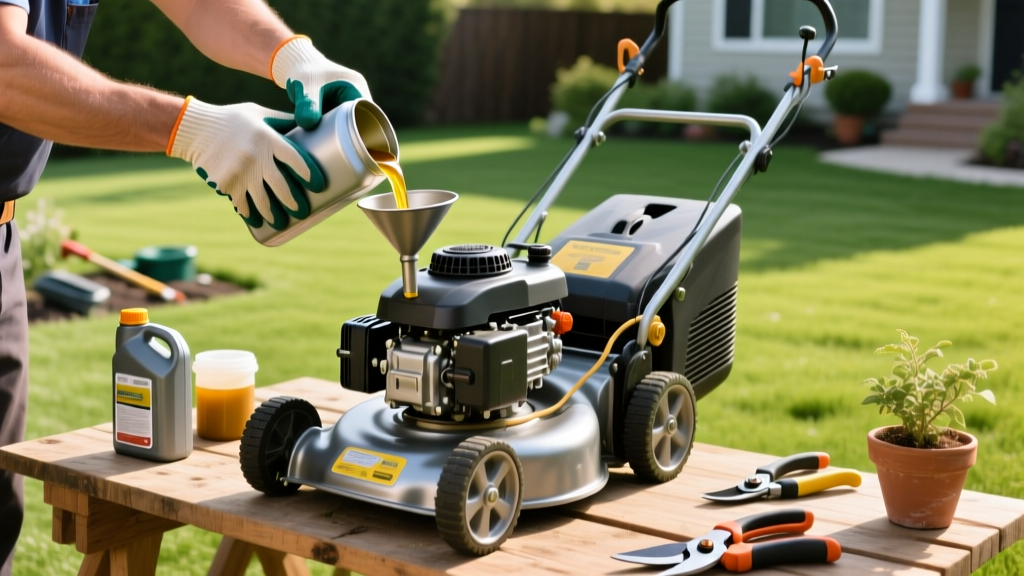
How to Replace Lawn Mower Oil: Step-by-Step Engine Maintenance
Failing to replace lawn mower oil is the leading cause of premature small engine seizure. While a new replacement engine for a standard push mower costs between $250 and $400, a routine oil change requires less than $15 in materials and 15 minutes of labor. Small air-cooled engines operate at significantly higher temperatures than liquid-cooled automotive engines, often exceeding 250°F at the cylinder head. This extreme thermal stress breaks down oil additives rapidly, making precise maintenance intervals and correct viscosity selection non-negotiable for equipment longevity.
The Science of Small Engine Oil Degradation
Unlike your car, a lawn mower engine lacks a complex pressurized oil filtration system. Most push mowers rely on a simple splash lubrication system where a dipper on the connecting rod throws oil onto the cylinder walls and crankshaft bearings. Because there is no filter to trap microscopic carbon and metal particulates, the oil itself becomes the primary suspension medium for engine contaminants.
Over a 50-hour operating cycle, three primary degradation processes occur:
- Thermal Oxidation: High operating temperatures cause the base oil to react with oxygen, forming sludge and varnish that clog the splash dipper and piston rings.
- Shear Breakdown: The mechanical churning of the crankshaft physically tears the long-chain polymer molecules in multi-grade oils (like 10W-30), permanently reducing the oil's viscosity and load-bearing capacity.
- Fuel Dilution: Incomplete combustion, especially during cold starts or when mowing thick, wet grass under heavy load, allows unburned gasoline to wash past the piston rings into the crankcase, thinning the oil.
Critical Break-in Warning: If you are servicing a brand-new mower, the manufacturer's initial oil change must occur after the first 5 hours of operation. This early drain removes microscopic metal shavings generated as the piston rings seat against the cylinder wall. Skipping this step guarantees accelerated bearing wear.
Selecting the Correct Viscosity and Formula
Using automotive oil in a small engine is a common mistake. Many modern car oils contain friction modifiers and energy-conserving additives that can cause the clutch plates in riding mowers to slip. Always look for oils that meet the API SP or SJ+ standards and are explicitly labeled for small engine or powersport use.
| Oil Type | Viscosity | Best Use Case | Approx. Cost (Quart) |
|---|---|---|---|
| Conventional SAE 30 | Single-Grade | Consistent warm weather (40°F to 100°F); older push mowers. | $5.00 - $7.00 |
| Synthetic Blend 10W-30 | Multi-Grade | Variable climates; provides easier cold starts and high-temp protection. | $7.50 - $9.50 |
| Full Synthetic 5W-30 | Multi-Grade | Zero-turn commercial mowers; extreme heat resistance; extended drain intervals. | $10.00 - $14.00 |
According to University of Minnesota Extension guidelines, SAE 30 is generally recommended for temperatures above 40°F, while 10W-30 is preferred for fluctuating temperatures and cooler spring/fall mowing seasons.
Required Tools and Materials
Before you begin, gather the following specific tools. Having the right equipment prevents stripped drain plugs and spills on your driveway.
- Oil Extractor Pump or Drain Pan: A 3/8" drive socket or 14mm wrench (depending on your engine block). Alternatively, an extractor pump like the Briggs & Stratton 5431K (approx. $25) simplifies push mower servicing.
- Fresh Oil: Typically 15 to 24 oz for push mowers; 48 to 64 oz for riding mowers.
- Funnel with Flexible Spout: Essential for navigating tight engine shrouds.
- Shop Towels and Nitrile Gloves: Used oil contains polycyclic aromatic hydrocarbons (PAHs) which are easily absorbed through the skin.
- Oil Filter Wrench (Riding Mowers Only): A 3-inch band wrench or cap wrench for spin-on filters.
Extractor Pump vs. Gravity Drain: Which is Better?
When figuring out how to replace lawn mower oil on a push mower, you have two distinct methods. The gravity drain via the bottom plug is the factory-intended method, ensuring maximum removal of heavy sludge settled at the crankcase floor. However, accessing the drain plug on modern mowers with dense deck shrouds and mulching baffles can be frustrating.
An oil extractor pump inserted through the dipstick tube is faster and eliminates the risk of stripping the soft aluminum crankcase threads. However, extraction leaves roughly 10% to 15% of the heaviest particulates behind. The professional compromise: Use an extractor pump for your mid-season 25-hour top-offs, but perform a full gravity drain at the end of the mowing season before winter storage.
Step-by-Step Procedure to Replace Lawn Mower Oil
- Warm the Engine: Run the mower for exactly 5 minutes. This heats the oil to approximately 140°F, reducing its viscosity and suspending settled carbon particles so they drain out completely. Safety Note: Disconnect the spark plug wire immediately after shutting off the engine to prevent accidental starting.
- Position the Mower: Place the mower on a flat, level surface. If using a drain pan, slide it under the discharge chute side where the drain plug is typically located.
- Remove the Dipstick/Fill Cap: This breaks the vacuum seal in the crankcase, allowing the oil to flow freely. Wipe the dipstick clean with a shop towel.
- Extract or Drain:
- Gravity Method: Use your 14mm socket or 3/8" ratchet to loosen the drain plug counter-clockwise. Allow it to drain for a full 10 minutes. Tilt the mower slightly backward (never on its side, as oil can flood the carburetor and air filter) to empty the sump completely.
- Extractor Method: Insert the pump tube down the dipstick tube until it hits the bottom. Pump the vacuum chamber and let it draw the oil out.
- Replace the Filter (Riding Mowers): Lubricate the rubber gasket of the new spin-on filter with a drop of fresh oil. Thread it on by hand, then tighten it an additional 3/4 turn. Do not use a wrench, as this will crush the gasket and cause a massive leak under pressure.
- Refill with Precision: Insert your funnel and pour the fresh oil slowly. Check the dipstick every 4 ounces. The oil level must sit precisely between the 'Add' and 'Full' marks.
- Verify and Reset: Reinstall the drain plug (torque to 15-20 ft-lbs if using a torque wrench) and the dipstick. Reconnect the spark plug wire, start the engine, and let it idle for 2 minutes. Check for leaks around the plug and filter.
Overfilling Warning: Never exceed the 'Full' mark. An overfilled crankcase causes the connecting rod dipper to aerate the oil, creating foam. Foamy oil cannot maintain a hydrodynamic lubrication film, leading to immediate rod bearing failure and white smoke billowing from the exhaust as oil is forced past the piston rings.
Troubleshooting Common Maintenance Issues
Milky or Frothy Oil on the Dipstick
If the drained oil looks like a chocolate milkshake, water has entered the crankcase. This occurs when mowers are pressure-washed directly at the engine seals, or when stored in damp, unheated sheds where condensation builds up inside the breather tube. If caught early, a simple oil change resolves the issue. If left untreated, the water will cause severe internal rust on the camshaft and crankshaft journals.
Stripped Aluminum Drain Plug Threads
The crankcases on engines like the Honda GCV160 and Briggs & Stratton Quantum are made of die-cast aluminum, which strips easily if the steel drain plug is over-tightened. If your plug spins freely, do not use epoxy. Purchase an oversized self-tapping drain plug (often labeled as a 'piggyback' or 'oversized' repair plug) from an auto parts store for under $6, or install a Heli-Coil thread insert for a permanent factory-grade repair.
Environmental Disposal Compliance
Used motor oil is classified as hazardous waste. According to the Environmental Protection Agency (EPA), it is illegal to dump oil in the trash, pour it down storm drains, or burn it in residential fire pits. Transfer the used oil into the empty bottle from your new oil, seal it tightly, and take it to any local auto parts retailer or municipal hazardous waste facility, which are legally mandated to accept it for free recycling.
Pro Tip from the Small Engine Bench: Always write the date and the engine hour meter reading on the oil bottle with a silver paint pen before storing it in your shed. When it is time to perform your next scheduled maintenance, you will know exactly when the last service occurred without relying on memory or faded paper logs taped to the mower deck.
Mastering how to replace lawn mower oil is the most cost-effective skill a homeowner can develop. By adhering to strict 50-hour intervals, utilizing small-engine-specific synthetic blends, and avoiding overfilling, you will easily extend the operational lifespan of your mower's engine well past the 1,000-hour mark.

