
Lawn Care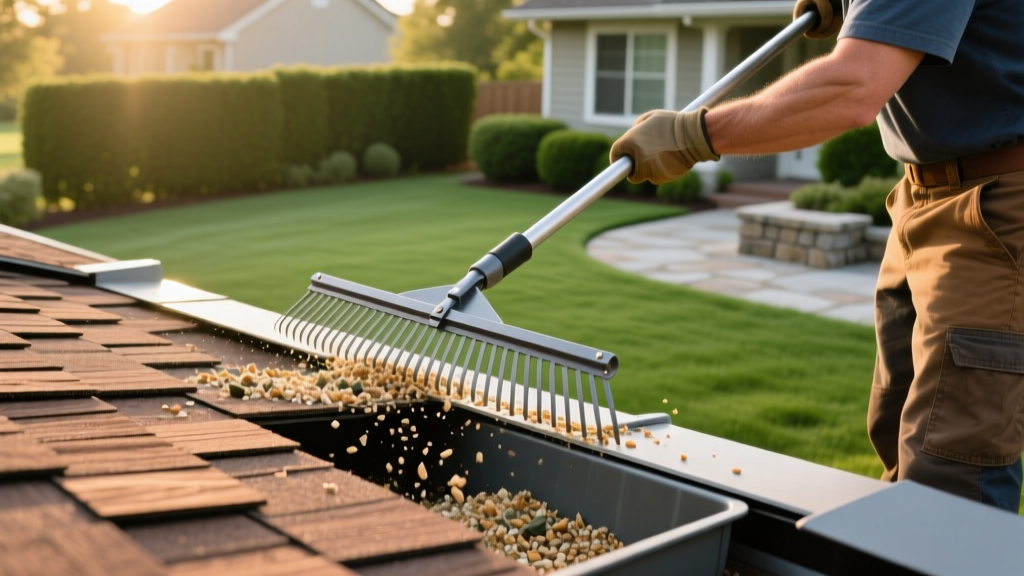
What Is a Rake on a Roof? Edges, Tools, and Landscape Protection
When homeowners hear contractors, landscapers, or roofing professionals mention the 'rake' of a roof, it often causes confusion. In the context of home exterior maintenance and landscape protection, the term actually refers to two entirely different concepts: the architectural roof rake (the structural edge of a gable) and the roof rake tool (a specialized implement used for clearing snow and debris). Understanding both is critical for homeowners, as mismanaging either can lead to severe damage to your lawn, foundation plantings, and soil health.
This guide breaks down exactly what is a rake on a roof in both contexts, detailing the specific measurements, product models, and landscaping strategies required to protect your property from water runoff, ice dams, and snow avalanches.
The Architectural Roof Rake (Rake Edge) Explained
In construction terminology, the roof rake is the inclined, sloped edge of a roof that runs along the end of a gable wall. Unlike the eave (which runs horizontally along the bottom edge of the roof and houses the gutters), the rake angles upward from the eave to the roof ridge. It is a critical termination point for the roof plane and plays a massive role in how water interacts with the landscaping below.
Anatomy of a Gable Rake Edge
- Barge Rafter / Fly Rafter: The structural framing member that extends past the gable wall to support the roof overhang.
- Rake Fascia: The vertical finishing board (usually wood, PVC, or aluminum) that covers the ends of the rafters.
- Rake Soffit: The underside of the overhang, often vented to allow air intake for the attic.
- Drip Edge: A crucial L-shaped or T-shaped metal flashing (minimum 0.019-inch aluminum thickness) installed along the rake to direct wind-driven rain away from the fascia and into the gutter system.
How the Rake Edge Impacts Your Lawn and Soil
If a roof lacks a properly installed drip edge along the rake, wind-driven rain will experience capillary action, wrapping around the fascia and running directly down the side of the house. Over time, this concentrated water cascade trenches the mulch beds, washes away topsoil, and exposes the shallow roots of foundation shrubs. In lawn areas adjacent to the gable end, this localized flooding causes soil compaction, promotes root rot in cool-season grasses like Kentucky Bluegrass, and can even lead to basement moisture intrusion. Ensuring your rake edge features a drip edge that extends at least 2 inches over the gutter is the first line of defense for your landscape grading.
The Roof Rake Tool: Snow and Debris Management
In the maintenance world, a roof rake is a telescoping tool designed to pull heavy snow, ice, or debris off the roof plane from the safety of the ground. For homeowners in northern climates, using a roof snow rake is not just about protecting the shingles; it is a vital landscaping strategy to prevent catastrophic damage to the garden beds below.
Comparison of Roof Rake Tools
Selecting the correct tool depends on your roof pitch, the type of debris, and the vulnerability of your underlying landscape. Below is a breakdown of the primary roof rake types available in 2026.
| Tool Type | Primary Use | Top Model Example | Avg. Cost |
|---|---|---|---|
| Standard Snow Roof Rake | Pulling wet snow off asphalt shingles to prevent ice dams. | Garelick 21-Foot Aluminum (Model 89521) | $60 - $80 |
| Wheeled Roof Rake | Glides over shingles to prevent granule scraping; ideal for steep pitches. | Avalanche! Snow Rake (Model 5001) | $140 - $170 |
| Debris / Leaf Roof Rake | Clearing pine needles and leaves from roof valleys and low pitches. | Eversprout 21-Foot Leaf Rake | $70 - $90 |
| Shingle Tear-Off Rake | Prying up nails and shingles during roof replacement (contractor use). | Ames True Temper Shingle Rake | $35 - $50 |
Why Roof Raking is Critical for Lawn and Shrub Survival
Failing to manage snow and debris on the roof plane creates a domino effect that directly harms your landscaping. According to research on home moisture management from the University of Minnesota Extension, unmanaged roof snow leads to ice dams, which force meltwater under the shingles and into the home, or cause massive icicles that drop onto garden beds.
1. Preventing Snow Avalanches on Foundation Plantings
If you have a metal roof or a steep asphalt pitch (8/12 or higher), snow does not melt gradually; it releases in massive, heavy sheets known as snow avalanches. A single cubic foot of wet snow can weigh up to 20 pounds. When hundreds of pounds of snow slide off the rake edge or eave, it will snap and crush expensive foundation shrubs. Arborvitae (Thuja occidentalis), Boxwood (Buxus sempervirens), and Rhododendrons are particularly susceptible to fatal split-stem damage from roof snow slides. Using a roof rake to manually pull the snow down in controlled layers, or installing snow guards along the rake edge, is mandatory for protecting these plants.
2. Stopping Ice Dam Runoff and Soil Trenching
Ice dams form when attic heat melts the bottom layer of snow on the roof. The water runs down to the cold eave and rake edge, refreezing into a dam. Subsequent meltwater pools behind the dam and eventually dumps over the sides in concentrated streams. This bypasses the gutter system entirely, dumping thousands of gallons of water directly onto the soil below. This causes severe soil erosion, washes away expensive landscape fabric and mulch, and creates muddy, anaerobic zones in the lawn that kill grass roots and invite fungal diseases like Pythium blight.
3. Clearing Acidic Debris from Roof Valleys
Pine needles, oak leaves, and twigs often accumulate in roof valleys or behind dormers near the rake edge. If left unmanaged, this debris traps moisture against the shingles and eventually blows down onto the lawn. Pine needles, in particular, create a thick, acidic mat that blocks sunlight and alters the soil pH, smothering cool-season turfgrasses and promoting the growth of moss and weeds.
Warning: Never Use a Metal Snow Rake on a Metal Roof
Metal roofs have a very low coefficient of friction and scratch easily. Using a standard aluminum or steel-bladed roof rake will gouge the protective galvalume or paint coating, leading to premature rust and voiding the manufacturer's warranty. Always use a polycarbonate-bladed roof rake or a specialized soft-bristle roof broom for metal roofing systems.
Metal roofs have a very low coefficient of friction and scratch easily. Using a standard aluminum or steel-bladed roof rake will gouge the protective galvalume or paint coating, leading to premature rust and voiding the manufacturer's warranty. Always use a polycarbonate-bladed roof rake or a specialized soft-bristle roof broom for metal roofing systems.
Step-by-Step: Raking a Roof Safely to Protect Landscaping
When using a roof rake tool, the goal is to relieve the weight and prevent ice dams without destroying the shingles or burying your lawn in unmanageable snowdrifts.
- Assess the Pitch and Overhang: Only attempt to rake roofs with a pitch of 4/12 or less from the ground using a standard 21-foot pole. For steeper pitches or multi-story homes, hire a professional. The National Roofing Contractors Association (NRCA) strongly advises against homeowners climbing onto snow-covered roofs due to extreme fall hazards.
- Employ the 'Leave an Inch' Rule: Never scrape a roof rake down to the bare shingles. Asphalt shingles are coated with ceramic granules that protect against UV rays. Aggressive scraping will rip these granules off, shortening the roof's lifespan. Use a wheeled roof rake (like the Avalanche! model) which automatically maintains a 1-inch buffer of snow to protect the shingles.
- Clear the Gutters First: Before pulling snow off the roof, ensure the gutters and downspouts are clear of autumn debris. If you pull snow into a clogged gutter, the weight will rip the fascia board away from the rake edge, causing thousands of dollars in structural and landscape damage.
- Direct the Snow Away from Shrubs: As you pull the snow down, be mindful of where it will land. Angle your pulls toward open lawn areas or hardscapes rather than directly over delicate garden beds. If a shrub is directly in the drop zone, install a temporary wooden A-frame shrub protector before the first major snowfall.
FAQ: Roof Rakes and Landscape Health
Can I use a standard lawn leaf rake to clean my roof?
No. Standard lawn rakes feature rigid, sharp metal or hard plastic tines designed to dig into thatch and soil. Dragging a lawn rake across asphalt shingles will instantly tear the fiberglass matting and strip the protective granules. Always use a flat-bladed roof rake specifically engineered for roofing materials.
Do I need to rake the roof if I have heat cables installed?
Heat cables (de-icing cables) are designed to melt channels through the snow to allow water to escape, but they do not eliminate the total snow load. If your region experiences heavy, wet snowfalls, the weight can still exceed the roof's load-bearing capacity, and the snow can still slide off in dangerous sheets. You should still use a roof rake to manage the bulk of the snow volume, relying on the heat cables only for the final inch of ice prevention.
How does the architectural rake edge affect gutter placement?
The angle and overhang of the architectural rake edge dictate how water flows into the gutters at the eave. If the rake overhang is too short (less than 1 inch past the gutter), high winds will blow rainwater past the gutter and directly onto the lawn below, causing soil erosion and splashing mulch onto the home's siding. Properly extending the drip edge along the rake ensures all water is captured and routed through the downspouts into designated drainage swales or dry wells.

