
Lawn Care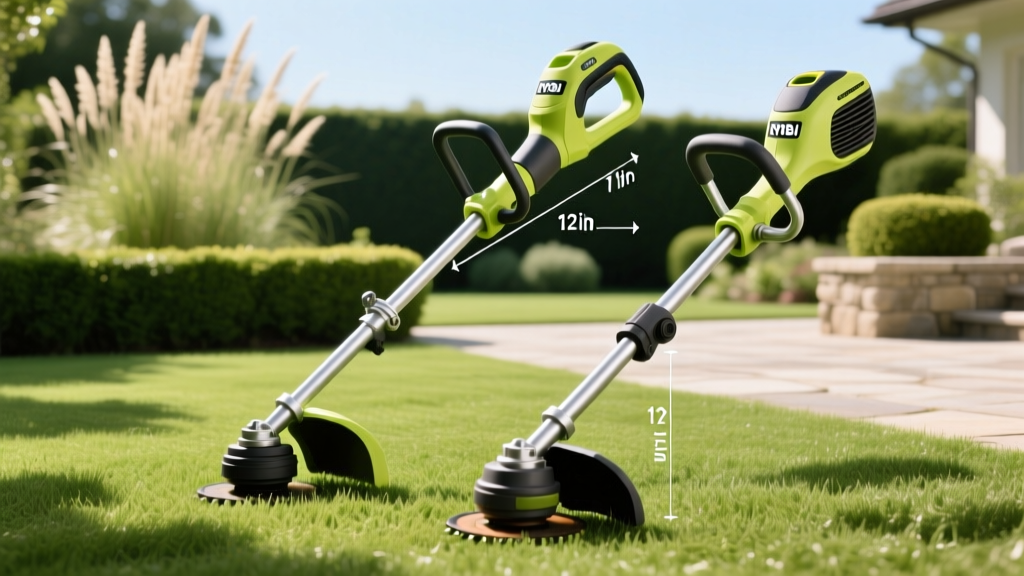
What Is the Inch Difference in the Ryobi String Trimmers Explained
The Core Metric: Decoding the 'Inch Difference'
When shopping for cordless outdoor power equipment, a common question arises among homeowners: what is the inch difference in the Ryobi string trimmers? The 'inch difference' does not refer to the physical length of the tool's shaft, nor does it refer to the diameter of the string itself. Instead, it refers to the cutting swath—the total diameter of the circle that the trimmer line cuts in a single full rotation.
Understanding this measurement is critical for lawn care efficiency. A larger cutting swath covers more square footage per pass, reducing the time it takes to edge and trim your yard. However, a larger swath also demands more torque, drains batteries faster, and requires thicker trimmer line to prevent snapping. According to turfgrass management guidelines from the University of Minnesota Extension, maintaining consistent cutting heights and avoiding scalp damage requires precise tool control, which is directly influenced by the size and weight of your trimmer head.
The 2026 Ryobi String Trimmer Swath Matrix
Ryobi’s current 18V ONE+ and 40V lithium-ion lineup spans five primary cutting swath sizes. Below is a comprehensive breakdown of the exact models, their corresponding swaths, and their ideal use cases.
| Cutting Swath | Primary Model (2026) | Voltage / Motor | String Gauge | Ideal Yard Size | Avg. Bare Tool Price |
|---|---|---|---|---|---|
| 10-Inch | RY40220 / P2008 | 18V / 40V Brushed | 0.065 in. | Under 1/4 Acre | $79 - $99 |
| 12-Inch | RY40210 | 40V Brushed | 0.065 - 0.080 in. | 1/4 to 1/2 Acre | $119 - $139 |
| 13-Inch | RY40227 | 40V Brushless | 0.080 in. | 1/2 Acre | $149 - $169 |
| 15-Inch | RY40225 | 40V Brushless | 0.080 - 0.095 in. | 1/2 to 3/4 Acre | $179 - $199 |
| 18-Inch | RY40240 | 40V Brushless | 0.095 in. | 3/4 Acre+ | $229 - $259 |
Small Swath (10' to 12'): The Precision Edgers
The 10-inch and 12-inch Ryobi trimmers are designed for urban lots, townhomes, and tight suburban landscapes where maneuverability trumps raw cutting power. Because the cutting radius is smaller, the rotational mass is lower. This means the motor doesn't have to work as hard to maintain RPMs, allowing these models to run efficiently on smaller batteries (such as an 18V 2.0Ah or a 40V 2.0Ah).
⚠️ Edge Case Warning: Do not attempt to clear thick, overgrown ditch banks or dense woody weeds with a 10-inch or 12-inch trimmer. The smaller gearboxes are not rated for high-impact shocks from thick stalks, which can strip the internal drive gears.
These smaller swaths excel at 'edging'—turning the trimmer 90 degrees to create a crisp vertical line between your turf and concrete sidewalks. The lighter head weight reduces wrist fatigue during prolonged vertical edging sessions.
Mid-Range Swath (13' to 15'): The Suburban Standard
The 13-inch (RY40227) and 15-inch (RY40225) models represent the sweet spot for most homeowners. Ryobi transitioned these mid-tier sizes to brushless motors in recent years, providing a massive leap in torque and runtime. A 15-inch swath cuts approximately 25% more grass per pass than a 12-inch model, significantly reducing the number of overlapping sweeps required along fence lines and garden beds.
For these mid-range models, you must upgrade to a 40V 4.0Ah (160Wh) or 5.0Ah (200Wh) battery. While a 2.0Ah battery will physically power the tool, the voltage sag under the load of a 15-inch swath will trigger the battery's internal thermal shutoff within 10 to 12 minutes of continuous use in thick grass.
Large Swath (18'): The Brush Clearing Beast
The 18-inch Ryobi string trimmer (such as the RY40240) is a commercial-grade substitute designed for large rural properties, acreages, and areas prone to aggressive weed growth like tall fescue, johnsongrass, and thistle.
The Physics of the 18-Inch Swath
Why can't you just put 18-inch string on a smaller trimmer? It comes down to peripheral velocity and centrifugal force. At 3,500 RPM, the tip of an 18-inch trimmer line is traveling significantly faster than the tip of a 12-inch line. If you use standard 0.065-inch string on an 18-inch head, the aerodynamic drag and centrifugal force will snap the line instantly. Therefore, the 18-inch Ryobi models are engineered with heavy-duty auto-feed spools specifically designed to extrude 0.095-inch twisted or multi-sided trimmer line. This thicker line acts like a machete, slicing through woody stems that would simply bounce off thinner lines.
💡 Pro-Tip for 18-Inch Owners: The gyroscopic effect of a large, heavy spool spinning at high RPMs creates noticeable 'recoil' when you tilt the tool. Always keep the 18-inch trimmer head parallel to the ground until it reaches full operating speed before tilting it for edging.
String Gauge Compatibility by Swath Size
Using the correct string thickness is non-negotiable for maintaining the health of your Ryobi trimmer's motor. Refer to this quick-reference guide when buying replacement spools:
- 10' - 12' Swaths: Use 0.065-inch round line. (Best for soft turfgrass like Kentucky Bluegrass or fine Fescue).
- 13' Swaths: Use 0.080-inch round or star-shaped line. (Provides a balance of cutting aggression and motor preservation).
- 15' - 18' Swaths: Use 0.095-inch twisted or multi-sided line. (Mandatory for thick St. Augustine, Bermuda, and woody weeds).
Ergonomics: Swath Size vs. Shaft Length
It is vital to separate the cutting swath from the shaft length. While the inch difference in the cutting head dictates your cutting width, the physical shaft length dictates your posture. All current Ryobi 40V trimmers feature adjustable telescoping shafts, but the base length varies. The 18-inch models feature a longer baseline shaft and a forward-mounted auxiliary handle to shift the center of gravity closer to the user's body, compensating for the heavier 5.0Ah+ batteries and larger motor housings. If you are over 6 feet tall, the 13-inch or larger models will prevent lower back strain, whereas the compact 10-inch model may force you to hunch.
Step-by-Step Decision Framework: Which Ryobi Trimmer Should You Buy?
Use this framework to select the exact inch difference that matches your property's specific needs, as recommended by equipment testing standards and Ryobi's official outdoor power equipment guidelines.
- Assess Your Turf Type: If you have delicate, cool-season grass (like ryegrass) and primarily need to edge sidewalks, choose the 12-inch model. If you have aggressive, thick warm-season grass (like Zoysia or St. Augustine), step up to the 15-inch or 18-inch brushless models.
- Measure Your Linear Footage: Calculate the total linear feet of fence lines and garden beds. If it exceeds 1,000 linear feet, the time saved by the 15-inch or 18-inch swath will justify the higher battery cost.
- Audit Your Battery Ecosystem: If you already own Ryobi 40V 2.0Ah batteries, you are restricted to the 12-inch or 13-inch models. The 15-inch and 18-inch models will severely underperform and overheat smaller batteries.
- Consider the Storage and Weight: The 18-inch trimmer weighs nearly 12 lbs with a 5.0Ah battery. If physical strength or limited garage space is a constraint, the 13-inch brushless offers the best compromise between cutting width and lightweight handling.
Ultimately, the 'inch difference' in Ryobi string trimmers is a measure of work capacity. By matching the cutting swath to your specific grass type, yard size, and battery inventory, you ensure a clean cut that promotes turf health while maximizing your tool's lifespan.

