Lawn Care
The Complete Guide to Seasonal Lawn Care Jobs: Tasks, Hiring, & Employment
Sarah ChenPublished
When you type "seasonal lawn care jobs near me" into a search engine, you are likely looking for one of two things. You might be a homeowner searching for reliable local professionals to handle the demanding, season-specific chores your yard requires. Alternatively, you might be an outdoors enthusiast, a student, or a budding entrepreneur looking to find seasonal employment or start a lucrative side hustle in the landscaping industry. Regardless of your intent, the lawn care industry is heavily driven by the changing seasons, and understanding the rhythm of these tasks is crucial for success.
A beautiful, lush lawn does not happen by accident. It requires a strategic, year-round approach that adapts to shifting weather patterns, soil temperatures, and grass growth cycles. In this comprehensive guide, we will break down the essential seasonal lawn care tasks that keep yards looking pristine, provide actionable advice on how to hire the best local talent, and offer a roadmap for those looking to land or create seasonal lawn care work in their community.
The Essential Seasonal Lawn Care Tasks
To understand the scope of seasonal lawn care jobs, you first need to understand what tasks are required throughout the year. The specific "jobs" your lawn needs depend heavily on whether you are growing cool-season grasses (like Kentucky Bluegrass, Fescue, & Ryegrass) or warm-season grasses (like Bermuda, Zoysia, & St. Augustine). Here is a breakdown of the primary seasonal jobs that homeowners need to complete—or hire out—every year.
Spring: Cleanup, Prevention, & Revival
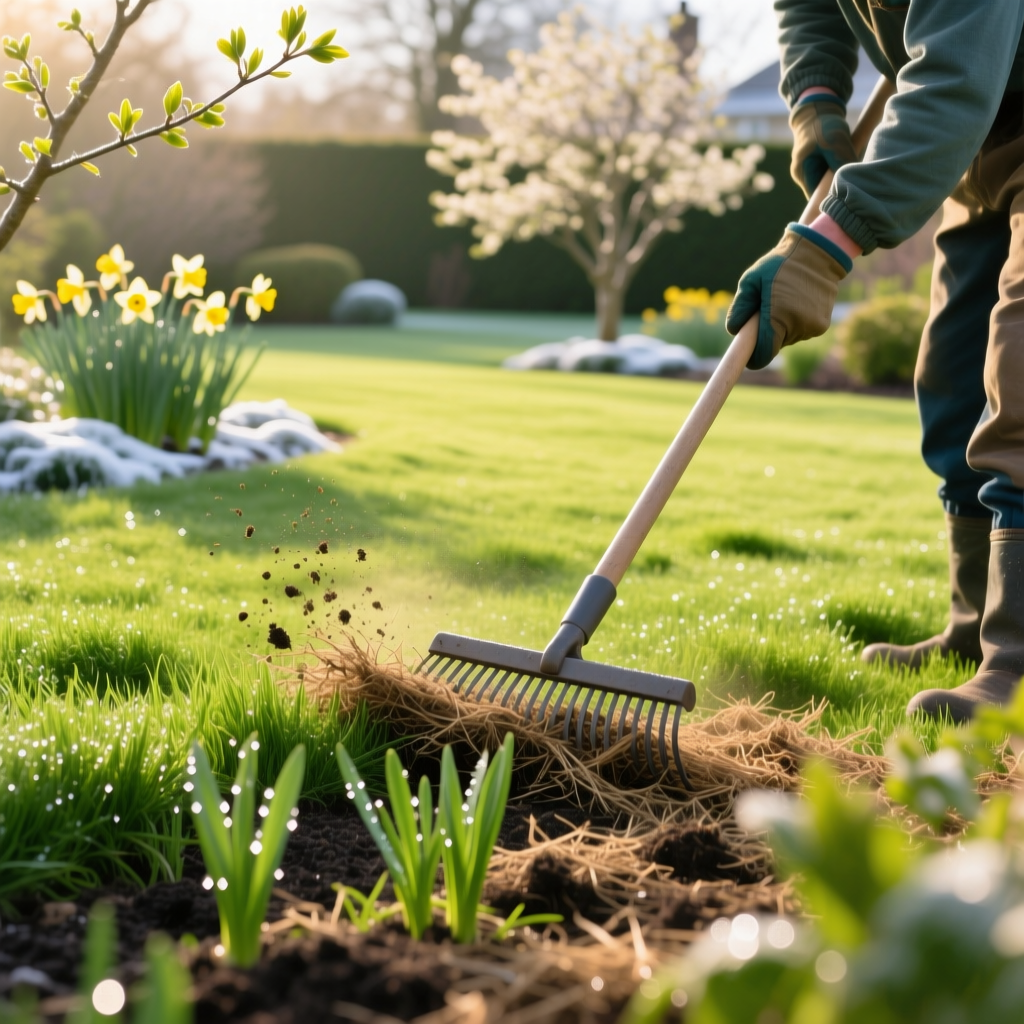
Spring is the busiest season for lawn care professionals & homeowners alike. The primary jobs during this time focus on waking the lawn up from winter dormancy & preventing future problems. According to our spring lawn care guide, the most critical tasks include:
- Debris Removal & Dethatching: Clearing winter debris, raking dead grass, & removing thatch buildup to allow sunlight, water, & nutrients to reach the soil.
- Pre-Emergent Weed Control: Applying pre-emergent herbicides before soil temperatures consistently reach 55°F to prevent crabgrass & other annual weeds from germinating. For a deeper dive, check out our weed control guide.
- First Mow & Edging: Giving the lawn its first cut of the season & redefining landscape beds to establish crisp, clean lines.
- Soil Testing & Fertilization: Testing soil pH & applying a balanced spring fertilizer to kickstart root & blade growth.
Summer: Maintenance, Hydration, & Pest Control
Summer lawn care jobs shift from revival to preservation. The heat & humidity of summer put immense stress on turf, making maintenance & monitoring the top priorities.
- Strategic Mowing: Raising the mower deck to cut grass taller. Taller grass shades the soil, retains moisture, & prevents weed seeds from getting the sunlight they need to sprout. Read more in our lawn mowing best practices guide.
- Deep Irrigation: Adjusting sprinkler systems to provide deep, infrequent watering (usually 1 to 1.5 inches per week) to encourage deep root growth.
- Grub & Pest Control: Scouting for signs of lawn grubs, chinch bugs, or armyworms & applying targeted curative treatments if an infestation is detected.
Fall: Aeration, Overseeding, & Preparation
For cool-season grasses, fall is the most critical time of the year. The jobs performed in autumn dictate how well the lawn will survive the winter & how thick it will be the following spring. Our fall lawn maintenance checklist highlights these vital tasks:
- Core Aeration: Pulling small plugs of soil from the ground to relieve compaction & allow oxygen, water, & nutrients to penetrate the root zone.
- Overseeding: Spreading grass seed over existing turf to fill in bare spots & improve density. Learn the exact steps in our aeration & overseeding guide.
- Leaf Mulching & Removal: Mowing over fallen leaves to mulch them into the soil or raking them away to prevent smothering the grass & promoting snow mold.
- Winterizer Fertilizer: Applying a potassium-rich fertilizer in late fall to strengthen roots & store energy for the winter.
Winter: Equipment Care & Hardscape Maintenance
While the grass may be dormant, the "jobs" do not entirely stop. Winter is the time for equipment maintenance, planning, & in colder climates, snow & ice management.
- Equipment Winterization: Draining fuel, sharpening mower blades, replacing spark plugs, & cleaning undercarriages to prevent rust & corrosion.
- Snow Removal: In northern regions, many lawn care companies pivot to snow plowing, salting, & de-icing driveways & walkways.
How to Hire Reliable Local Lawn Care Pros
If you are a homeowner searching for seasonal lawn care jobs near you because you want to outsource the hard labor, finding a trustworthy professional is paramount. A bad landscaping crew can damage your turf, break your irrigation system, or leave you with an unfinished job. Here is how to vet & hire the best local talent.
Where to Find Local Professionals
Start your search on hyper-local platforms. Neighborhood apps like Nextdoor & local community Facebook groups are goldmines for finding reliable, word-of-mouth recommendations. You can also use dedicated home service platforms like Angi, Thumbtack, or the Better Business Bureau (BBB) to find established companies with verified reviews in your zip code.
Questions to Ask Before Hiring
Never hire a lawn care service based on price alone. When interviewing potential candidates for your seasonal lawn care jobs, ask the following questions:
- Are you licensed & insured? This is non-negotiable. If a worker gets injured on your property or damages your fence, their liability insurance & workers' compensation will protect you from financial ruin.
- Do you own or rent your equipment? Professionals who own commercial-grade, well-maintained equipment will deliver a vastly superior cut & finish compared to those using worn-out residential tools.
- What is your weed control & fertilization strategy? A good pro will ask about your specific grass type & tailor their chemical applications accordingly, rather than using a one-size-fits-all approach.
- Do you offer seasonal contracts? Bundling spring cleanup, weekly mowing, fall aeration, & winterization into a single annual contract often saves you time & money.
How to Find & Land Seasonal Lawn Care Work Near You
On the flip side, if you are searching for seasonal lawn care jobs near you because you want to earn money, the barrier to entry is relatively low, but the ceiling for profitability is high. Whether you want a part-time summer job or want to launch your own landscaping business, here is how to get started.
Working for Established Landscaping Companies
The easiest way to get your feet wet is to apply for a seasonal crew position with an established local landscaping firm. These companies are almost always hiring during the spring rush & fall cleanup seasons. You will learn the nuts & bolts of the trade, including how to operate commercial zero-turn mowers, stand-on aerators, & commercial string trimmers. Look for job postings on Indeed, Craigslist, or local landscaping association job boards.
Starting Your Own Seasonal Side Hustle
If you prefer to be your own boss, offering seasonal lawn care services in your immediate neighborhood is a highly profitable venture. To succeed, focus on high-margin, specialized seasonal jobs rather than just basic mowing. Basic mowing is highly competitive & races to the bottom on price. Instead, offer:
- Spring & Fall Cleanups: Charging a flat fee for dethatching, leaf removal, & bed edging.
- Core Aeration & Overseeding: Renting a commercial aerator for the weekend & charging premium rates per thousand square feet. This is one of the most lucrative seasonal jobs in the industry.
- Garden Bed Mulching: Hauling & spreading bulk mulch in the spring is a labor-intensive job that homeowners gladly pay a premium to avoid doing themselves.
To find your first clients, print high-quality flyers & distribute them in neighborhoods with mature trees & large lawns. Offer a "neighborhood discount" if three or more houses on the same street book your services, which minimizes your travel time & fuel costs.
Must-Have Tools & Equipment for Seasonal Lawn Care
Whether you are a homeowner tackling the work yourself or a professional starting a new route, having the right tools is essential for executing seasonal lawn care jobs efficiently. Here are the top tool recommendations categorized by their seasonal utility.
Spring & Fall Power Tools
- Walk-Behind Core Aerator: For fall aeration jobs, a gas-powered walk-behind aerator is essential. Look for models with heavy-duty tines that pull true soil cores rather than just poking holes (which can actually increase compaction).
- Commercial Broadcast Spreader: A high-quality, rust-resistant spreader with pneumatic tires ensures an even distribution of seed, fertilizer, & pre-emergent herbicides without leaving striping patterns on the lawn.
- Handheld & Backpack Blowers: Essential for spring debris cleanup & fall leaf removal. Backpack blowers with high CFM (cubic feet per minute) ratings save immense amounts of time compared to raking.
Summer Maintenance Gear
- Commercial String Trimmer & Edger: A heavy-duty string trimmer with a bump-feed head is crucial for maintaining crisp edges around hardscapes & tree rings during the rapid summer growth phase.
- Smart Irrigation Controller: Upgrading to a Wi-Fi-enabled smart sprinkler controller that adjusts watering schedules based on local weather data saves water & prevents fungal diseases caused by overwatering.
- Soil Moisture Meter: A simple probe tool that takes the guesswork out of summer watering, ensuring you only irrigate when the root zone actually needs it.
Winter Storage & Maintenance Kits
- Fuel Stabilizer & Oil Extractors: Essential for winterizing gas-powered equipment. Running fuel stabilizer through the carburetor prevents gummy buildup that ruins engines during off-season storage.
- Mower Blade Sharpener & Balancer: Dull mower blades tear the grass, leaving jagged edges that turn brown & invite disease. Winter is the perfect time to sharpen & balance all rotary blades.
Seasonal Timing Tips for Maximum Lawn Health
One of the biggest mistakes amateurs make when performing seasonal lawn care jobs is relying on the calendar rather than the environment. Nature does not strictly follow a 12-month grid; she follows temperature & moisture cues. Here are the critical timing tips you must follow for optimal results.
Watch Soil Temperatures, Not Air Temperatures
Air temperature can fluctuate wildly, but soil temperature is the true trigger for grass growth & weed germination. Invest in a basic soil thermometer. For example, crabgrass seeds germinate when soil temperatures at a 2-inch depth reach 55°F for several consecutive days. This is your cue to apply pre-emergent herbicides. Similarly, cool-season grass roots grow most vigorously when soil temperatures are between 50°F & 65°F, making early fall the absolute best time for overseeding & aeration.
Time Your Fertilizer Applications Correctly
Applying heavy nitrogen fertilizer during the peak heat of summer is a recipe for disaster. It forces the grass to push top growth when it should be conserving energy to survive heat & drought stress, making the turf highly susceptible to disease & burn. Save the heavy nitrogen applications for the spring green-up & the late-fall winterizer phases. Always check the local weather forecast & avoid applying granular treatments right before a torrential downpour, which will wash the product into storm drains & cause environmental runoff.
Mow Based on Growth Rate, Not the Calendar
During the rapid growth of late spring, you may need to mow every four to five days to adhere to the "one-third rule" (never removing more than one-third of the grass blade in a single cut). During the slow, stressful growth of mid-summer, you might only need to mow once every ten days. Adjust your mowing schedule dynamically based on the actual growth rate of your specific warm-season or cool-season turf.
Frequently Asked Questions
How much do seasonal lawn care jobs pay?
The pay for seasonal lawn care work varies widely based on your role & location. Entry-level crew members working for a landscaping company typically earn an hourly wage ranging from minimum wage to slightly above, often with opportunities for overtime during peak spring & fall seasons. However, if you operate your own solo lawn care side hustle, your effective hourly rate can easily exceed $50 to $100 per hour, especially if you specialize in high-ticket services like core aeration, overseeding, & landscape bed installations.
When is the best time to hire a lawn care service?
The best time to hire a lawn care service is in late winter or very early spring, before the seasonal rush begins. Landscaping companies are actively building their routes during this time & are more likely to offer early-bird discounts or flexible scheduling. If you wait until May when the grass is growing rapidly, top-tier companies will likely be fully booked & unable to take on new residential clients.
Do I need a license to do seasonal lawn care work?
If you are only performing basic mowing, edging, & leaf blowing, most municipalities do not require a specialized landscaping license, though you will likely need a standard local business license or vendor permit. However, if your seasonal jobs involve applying fertilizers, herbicides, or pesticides, you absolutely must obtain an applicator's license from your state's department of agriculture. Applying chemicals without a license carries massive fines & severe legal liabilities.
What is the most profitable seasonal lawn care service?
Core aeration & overseeding are widely considered the most profitable seasonal lawn care services. The materials (seed & fuel) are relatively inexpensive, but the perceived value to the homeowner is incredibly high. Because aeration requires specialized, heavy equipment that the average homeowner does not own, professionals can charge premium rates—often between $150 & $300 per average-sized lawn—for a job that takes less than two hours to complete.
How do I prepare my lawn equipment for the off-season?
Proper winterization extends the life of your equipment & saves you from costly spring repairs. For gas-powered mowers & trimmers, either drain the fuel tank completely or fill it with fresh gas mixed with a high-quality fuel stabilizer, then run the engine for five minutes to circulate the treated fuel through the carburetor. Remove the spark plug, add a few drops of oil into the cylinder, & pull the starter cord gently to coat the piston. Finally, scrape all dried grass & mud from the mower deck, sharpen the blades, & store the equipment in a dry, climate-controlled shed or garage.