
Lawn Care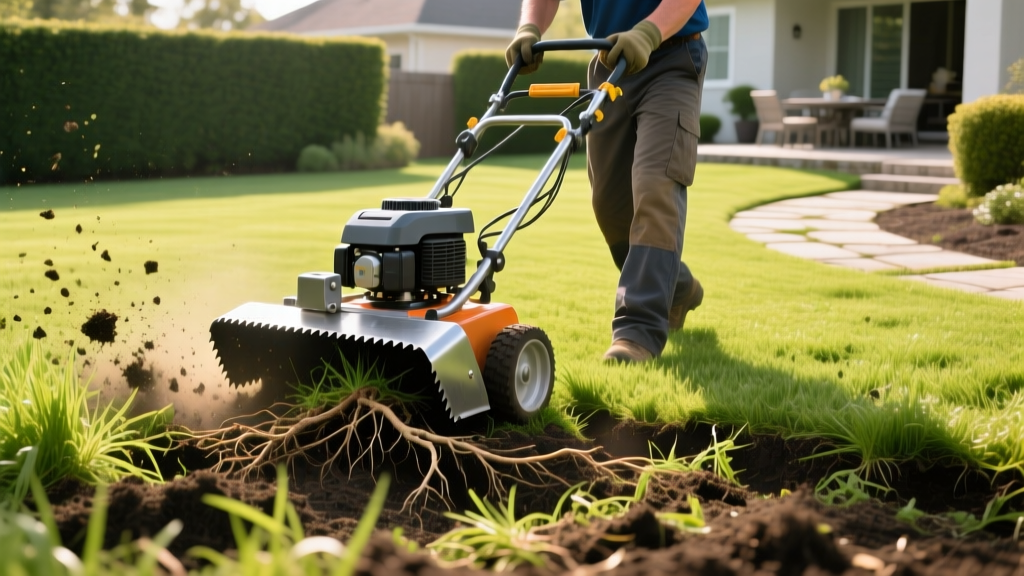
Using a Lawn Removal Machine to Eradicate Deep-Rooted Weeds
When a lawn crosses the threshold from manageable to severely compromised, selective herbicides and spot treatments become a financial black hole. Invasive species like hybrid bermudagrass, dallisgrass, and torpedograss develop deep, resilient rhizome networks that laugh at chemical applications. Similarly, soil-borne pests like ground pearls and severe root-knot nematode infestations destroy the root zone beyond chemical remediation. In the professional pest and weed removal playbook, the 'nuclear option' is physical extraction using a lawn removal machine (commonly known as a sod cutter or turf stripper).
Stripping the top 1.5 to 2.5 inches of soil physically removes the bulk of the weed's carbohydrate-storing rhizomes and the immediate pest habitat, resetting the canvas for soil solarization and complete renovation. This guide details the exact mechanics, machine specifications, and post-removal protocols required to execute this maneuver successfully.
The Playbook: When to Deploy a Lawn Removal Machine
Deploying heavy machinery is expensive and disruptive. You should only utilize a lawn removal machine when specific biological thresholds are met. Turfgrass extension specialists generally recommend the 30% Rule: if more than 30% of your lawn's surface area is covered by invasive, non-target weeds or dead zones caused by unmanageable pests, renovation via physical removal is more cost-effective than a multi-year chemical rehabilitation program.
Decision Matrix: Chemical vs. Mechanical Removal
- Annual Weeds (Crabgrass, Poa Annua): Use pre-emergent herbicides. Do not use a lawn removal machine.
- Localized Perennials (Dandelion, Plantain): Use spot-treatment systemic herbicides or manual extraction.
- Invasive Rhizomatous Grasses (Bermudagrass in Fescue, Torpedograss): If >30% coverage, deploy a lawn removal machine to strip rhizomes.
- Uncurable Soil Pests (Ground Pearls, Severe Nematodes): Deploy a lawn removal machine to strip the topsoil, followed by soil solarization.
Choosing the Right Lawn Removal Machine
Not all sod cutters are built for weed eradication. For deep-rooted weeds, you need a machine with adjustable depth calibration and a vibrating blade mechanism, which slices through dense thatch and clay soil cleaner than rotary blades. Below is a comparison of the standard machines available at commercial rental yards in 2026.
| Machine Type | Top 2026 Models | Max Depth | Avg. Rental Cost | Best Use Case |
|---|---|---|---|---|
| Walk-Behind (Vibrating) | Ryan SC-30 Pro, Classen SC-18 | 2.5 - 3.0 inches | $110 - $145 / day | Standard residential lawns (up to 5,000 sq ft) |
| Walk-Behind (Rotary) | Billy Goat SC182H | 2.0 inches | $85 - $110 / day | Shallow-rooted weeds, soft loam soils |
| Tractor-Mounted PTO | Land Pride SCL10, Harley Power Rake | 4.0+ inches | $250+ / day (requires tractor) | Acreage, severe nematode soil stripping |
For most homeowners battling invasive bermudagrass or dallisgrass, the Ryan SC-30 Pro or equivalent vibrating walk-behind model is the optimal choice. The vibrating action prevents the blade from snagging on thick rhizome mats, which is a common failure point with cheaper rotary models.
Step-by-Step Execution: Stripping Infested Turf
Operating a lawn removal machine requires precise calibration. If you cut too shallow, you leave the weed's crown and upper rhizomes intact, guaranteeing a rapid resurgence. If you cut too deep, you remove valuable topsoil and risk severing shallow irrigation lines.
Phase 1: Site Preparation (48 Hours Prior)
- Irrigation: Water the lawn deeply 48 hours before cutting. The soil must be moist but not saturated. Moist soil allows the blade to glide; dry, compacted clay will stall the machine's engine and tear the turf into unmanageable chunks.
- Utility Mapping: Call 811 to mark deep utility lines. More importantly, manually flag all shallow sprinkler heads, valve boxes, and invisible dog fences with high-visibility paint. Sod cutters will instantly decapitate unflagged PVC risers.
- Mowing: Scalp the lawn with a rotary mower at the lowest possible setting (1 inch) and bag the clippings. This removes surface weed seed heads and exposes the soil grade.
Phase 2: Calibration and Cutting
Set the lawn removal machine's depth gauge to 2.5 inches. According to turfgrass pathology studies, while invasive bermudagrass rhizomes can theoretically reach 6 inches deep, over 85% of the viable carbohydrate-storing biomass resides in the top 2.5 inches of the soil profile (UC IPM Bermudagrass Management).
WARNING: The Overlap Trap
When making parallel passes, overlap the cutting path by exactly 1 inch. If you leave even a 2-inch uncut strip between passes, the surviving weed rhizomes in that gap will act as a biological bridge, rapidly recolonizing the stripped zones within a single growing season.
When making parallel passes, overlap the cutting path by exactly 1 inch. If you leave even a 2-inch uncut strip between passes, the surviving weed rhizomes in that gap will act as a biological bridge, rapidly recolonizing the stripped zones within a single growing season.
Phase 3: Extraction and Disposal
Roll the cut sod into manageable 3-foot sections. Do not compost this material. Invasive weed rhizomes and pest-infested soil will survive standard residential composting temperatures (which rarely exceed 130°F). Bag the stripped turf in heavy-duty contractor bags and send it to a municipal landfill, or use it to fill low-lying areas in non-garden zones, burying it under at least 12 inches of clean fill dirt.
Post-Removal Protocol: Soil Solarization
Once the lawn removal machine has stripped the physical biomass, the exposed soil is still harboring weed seeds, nematode cysts, and fungal pathogens. To achieve a true reset, you must implement soil solarization. This technique uses the sun's radiant energy to trap heat under clear plastic, raising soil temperatures to levels that denature pest proteins and destroy seed viability.
- Material: Use 1.5-mil to 2-mil clear polyethylene sheeting. Do not use black plastic; black plastic absorbs heat at the surface but fails to transmit it into the soil profile. Clear plastic allows solar radiation to penetrate and trap heat in the top 6 inches of soil.
- Application: Lay the plastic tightly over the moist, bare soil. Seal the edges completely with soil or landscape staples to prevent heat escape.
- Duration: Leave the plastic in place for 4 to 6 weeks during the peak summer months (June through August). Soil temperatures at a 2-inch depth must reach 110°F to 125°F to effectively kill soil-borne pests and weed seeds (Penn State Extension Soil Solarization).
Cost Breakdown: Machine Rental vs. Chemical Rehabilitation
Homeowners often hesitate at the upfront cost of renting a lawn removal machine and disposing of the turf. However, when analyzing the 3-year total cost of ownership (TCO) for a heavily infested 3,000 sq. ft. lawn, physical removal often yields a higher return on investment.
| Expense Category | 3-Year Chemical Rehab | Mechanical Removal & Reset |
|---|---|---|
| Herbicides / Nematicides | $650 - $900 | $0 |
| Equipment Rental (Sod Cutter) | $0 | $135 (1 Day) |
| Disposal / Dumpster Bag | $0 | $150 |
| Solarization Plastic & Seed | $120 (Annual Overseeding) | $350 (One-time Premium Seed) |
| Estimated 3-Year Total | $1,130 - $1,380 | $635 |
| Success Rate at Year 3 | ~40% (High Re-infestation) | ~95% (Clean Slate) |
Frequently Asked Questions
Will a lawn removal machine remove the soil along with the weeds?
Yes, a sod cutter removes the turf matrix, which includes the thatch, the root zone, and the top 1.5 to 2.5 inches of topsoil. Because you are losing topsoil, your post-solarization renovation plan must include topdressing the bare area with 0.5 to 1 inch of high-quality, screened compost or topsoil before seeding or laying new sod to restore the soil grade and organic matter content.
Can I use a manual kick-plow sod cutter instead of a motorized machine?
Manual kick-plows are only viable for areas smaller than 200 square feet and require highly friable, loamy soil. If you are battling deep-rooted weeds in compacted clay soil, a manual blade will deflect off the rhizome mats and hardpan, resulting in uneven cutting depths that leave weed crowns intact. Always rent a motorized, vibrating walk-behind machine for weed eradication projects.
How long after solarization can I plant new grass seed?
Once the 4-to-6-week solarization period is complete, remove the clear plastic and allow the soil to cool and aerate for 48 hours. You can immediately plant new grass seed or lay fresh sod. The solarization process effectively sterilizes the top layer of soil, meaning you will have zero competition from legacy weed seeds, giving your new turf a massive establishment advantage.

