
Lawn Care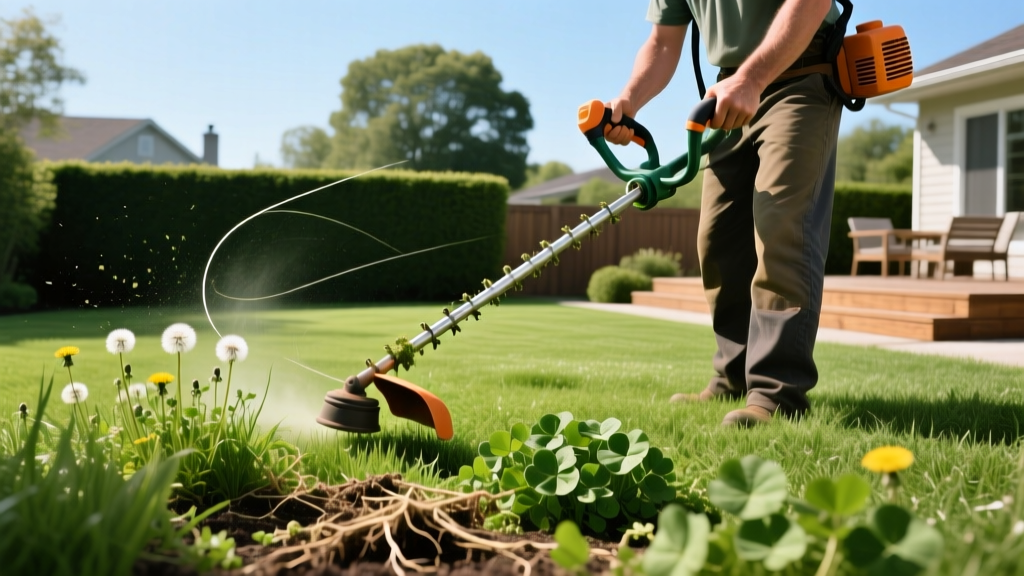
Spot-Treating Lawn Weeds With a String Craftsman Weed Wacker
The Shift to Mechanical Spot-Treatment
As herbicide resistance increases and municipal regulations restrict synthetic chemical use, mechanical spot-treatment has become a cornerstone of advanced lawn care. While a string trimmer is traditionally viewed as an edging or mopping-up tool, precision operation of a string craftsman weed wacker allows homeowners to surgically target invasive weed species without broadcasting chemicals across healthy turf. This technique relies on severing weed crowns, disrupting stolons, and preventing seed head formation at the exact moment of vulnerability.
Mechanical spot-treatment requires understanding the morphology of the target weed and matching it to the correct trimmer line diameter, RPM setting, and cutting angle. A heavy-handed approach will scalp the surrounding desirable grass, creating bare soil patches that invite further weed germination. By utilizing the variable speed triggers and specialized attachments available on modern Craftsman models, you can isolate and eliminate specific weeds with surgical precision.
Selecting the Right Craftsman Platform for Precision Work
Not all trimmers offer the finesse required for spot-treatment. The ability to micro-adjust the RPM is critical when working near the crowns of desirable turfgrasses like Festuca arundinacea (Tall Fescue) or Cynodon dactylon (Bermudagrass).
Battery-Powered Precision: Craftsman V20 40V Max (CMCGW40B)
The brushless motor in the V20 40V Max series provides exceptional low-end torque, allowing you to dial down the RPM to approximately 4,500 for delicate crown-severing without the line stalling. The auto-feed mechanism on this model advances line predictably, preventing the sudden length changes that often lead to accidental turf scalping during spot-treatment. It is the superior choice for targeting low-lying rosette weeds in confined garden beds.
High-RPM Disruption: Craftsman 25cc 2-Cycle Gas (CMXGTAMD25SA)
When dealing with thick-stemmed, mature weeds or dense patches of stoloniferous invaders, the 25cc gas model delivers upwards of 8,000 RPM. This high rotational speed creates a cleaner slice through fibrous weed tissue, reducing the tearing effect that can lead to rapid disease transmission in the surrounding lawn. The bump-feed head is ideal for aggressive spot-treatment where frequent line advancement is necessary due to rapid wear against woody weed stems.
Pro Tip: For mechanical spot-treatment, remove the standard grass deflector shield and install the precision edging guide (sold separately for most Craftsman models). This creates a physical barrier that prevents the trimmer head from dipping below the soil grade, protecting your turf's root zone while allowing you to target surface-level weed stolons.
Weed-Specific Trimming Protocols
Dandelions (Taraxacum officinale): Crown Severing
Dandelions regenerate from their thick taproots if the crown (the growing point located just below the soil surface) is left intact. To spot-treat dandelions mechanically, wait until the soil is slightly moist. Tilt your Craftsman trimmer head forward at a 15-degree angle and use a low-RPM setting. Sweep the .080-inch line directly across the base of the rosette, slicing approximately 1/4 inch below the soil surface. This severs the crown from the taproot, causing the top growth to die back and the root to eventually rot without the energy provided by photosynthesis.
Creeping Charlie (Glechoma hederacea): Stolon Disruption
Creeping Charlie spreads via above-ground stolons (runners) that root at the nodes. Chemical treatments often fail because the waxy leaf cuticle repels herbicides. According to the University of Minnesota Extension, mechanical disruption is highly effective if timed correctly. Use your Craftsman weed wacker with the edging wheel engaged to run along the borders where Creeping Charlie attempts to invade from garden beds. For patches within the lawn, use a .065-inch round line at medium RPM to 'comb' the surface, severing the delicate stolons without cutting the deeper-rooted desirable grass. Rake out the severed runners immediately to prevent re-rooting.
Crabgrass (Digitaria): Seed Head Prevention
Crabgrass is an annual weed that relies entirely on seed production for survival. The Penn State Extension notes that a single crabgrass plant can produce up to 150,000 seeds. Mechanical spot-treatment here is purely about preventing seed set. Inspect your lawn in mid-to-late summer. When you spot the distinctive turkey-foot seed heads emerging above the turf canopy, use a high-RPM setting with a .095-inch twisted line to decapitate the seed heads. Do not cut the plant down to the soil; simply remove the reproductive structures. This drastically reduces the seed bank for the following spring.
Line Selection Matrix for Weed Species
Using the wrong trimmer line diameter is the most common failure point in mechanical weed control. Thin line tears thick weeds, spreading pathogens, while thick line shreds delicate turf. Use this matrix to spool your Craftsman trimmer correctly based on your target species.
| Target Weed Species | Morphology | Recommended Line Diameter | Line Profile | Optimal Craftsman RPM |
|---|---|---|---|---|
| Dandelion | Fleshy taproot, basal rosette | .080 inch | Round | Low (4,500 - 5,500) |
| Creeping Charlie | Square stem, surface stolons | .065 inch | Round | Medium (5,500 - 6,500) |
| Crabgrass | Fibrous root, tall seed heads | .095 inch | Twisted / Multi-sided | High (7,000+) |
| Thistle / Burdock | Woody stem, deep taproot | .105 inch | Square | High (7,500+) |
| Nutsedge | Triangular stem, tubers | .080 inch | Star / Serrated | Medium-High (6,500) |
Safety Warning: When upgrading to .095-inch or .105-inch line for thick-stemmed weeds like thistle, ensure your specific Craftsman trimmer head is rated for the thicker diameter. Forcing thick line into a standard .065-inch spool will cause motor strain, overheating, and potential failure of the drive shaft.
Post-Trimming Turf Recovery and Soil Health
Mechanical spot-treatment, while chemical-free, still inflicts physical stress on the lawn. After severing weed crowns or stolons, the resulting micro-gaps in the turf canopy must be managed to prevent secondary weed invasions.
- Overseeding Bare Spots: Immediately after removing mature dandelion or thistle crowns, drop 3-4 seeds of your primary turfgrass species directly into the void. Lightly press the soil over the seed to ensure soil-to-seed contact.
- Compost Topdressing: Apply a 1/8-inch layer of finely screened compost over areas where aggressive stolon-severing occurred (such as with Creeping Charlie). This introduces beneficial microbes that accelerate the decomposition of the severed weed roots left in the soil.
- Aeration Synergy: Schedule mechanical spot-treatment immediately following core aeration. The softened soil allows the trimmer line to slice deeper below the surface, reaching the crowns of rosette weeds more effectively without tearing the surrounding grass blades.
Troubleshooting Common Mechanical Control Failures
The Weed Grows Back Thicker
If a weed returns with multiple stems after being trimmed, you likely cut too high on the main stem rather than severing the apical meristem (the central growing point). Lower your trimmer head angle and ensure the line is making contact with the soil surface to remove the crown entirely.
Excessive Turf Tearing
If your desirable grass looks shredded and frayed after spot-treatment, your trimmer line is either too old and brittle, or you are using a round profile on a weed that requires a multi-sided line. Replace the spool with fresh line—nylon degrades and loses its tensile strength after 6 months of UV exposure, causing it to snap and tear rather than slice cleanly.
Trimmer Stalling in Dense Patches
When using a battery-powered Craftsman model in dense patches of mature weeds, do not force the head deep into the center of the patch. Work the perimeter of the weed cluster first, gradually reducing the diameter of the patch. This prevents the line from wrapping around thick stems and stalling the brushless motor.

