
Lawn Care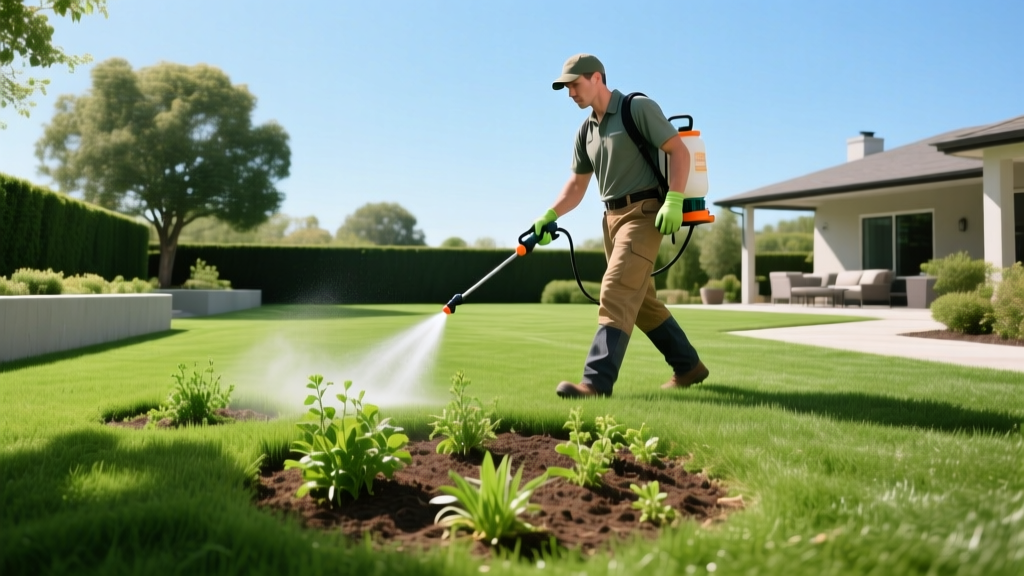
Spray Weed and Feed for Lawns: Spot Treatment vs Broadcast Rules
The Agronomic Flaw of Spot-Treating with Weed and Feed
Homeowners frequently search for how to use spray weed and feed for lawns to eliminate isolated patches of dandelions or clover. This is a fundamental agronomic error. Weed and feed products are engineered for uniform, broadcast application across an entire turf canopy, not for concentrated spot treatments. Attempting to spot-spray these combination products introduces two severe risks to your lawn's health.
First, weed and feed formulations contain high concentrations of fast-release nitrogen (typically 15% to 25% N). When you concentrate a broadcast-rate fertilizer into a small 3-foot weed patch, you exponentially increase the nitrogen load per square inch. If ambient temperatures exceed 75°F, this localized salt concentration will draw moisture out of the turfgrass blades, resulting in severe foliar burn and crown necrosis. Second, the herbicide component (often a 2,4-D and dicamba blend) is calibrated for broad coverage. Overdosing a small soil area with these synthetic auxins can cause epinasty (twisted growth) and root stunting in the surrounding desirable grass, particularly in sensitive warm-season species like St. Augustine or Centipede.
WARNING: The Double-Dose Danger
Never attempt to mix your own 'spot treatment' by combining liquid fertilizer and post-emergent herbicides in a single pump sprayer. The differing pH requirements for optimal herbicide efficacy and nutrient stability often cause the solution to precipitate, clogging your spray nozzle and rendering the herbicide ineffective.
Never attempt to mix your own 'spot treatment' by combining liquid fertilizer and post-emergent herbicides in a single pump sprayer. The differing pH requirements for optimal herbicide efficacy and nutrient stability often cause the solution to precipitate, clogging your spray nozzle and rendering the herbicide ineffective.
When to Actually Use Spray Weed and Feed for Lawns
Liquid or granular weed and feed is strictly a broadcast maintenance tool. It is designed to suppress early-stage, germinating broadleaf weeds while simultaneously pushing vegetative growth across the entire lawn to help the turf outcompete future weeds. According to the University of Minnesota Extension, combination products are most effective when applied during active spring or early fall growth windows when both the grass and the weeds are actively absorbing nutrients and translocating herbicides to their root zones.
| Application Strategy | Product Type Example | Active Ingredients | Target Weeds | Est. Cost per 1,000 sq ft |
|---|---|---|---|---|
| Broadcast Only | Liquid Trimec + Urea | 2,4-D, MCPP, Dicamba + 20-0-0 NPK | General broadleaf suppression | $3.50 - $5.00 |
| Spot Treatment | Drive XLR8 (No Fertilizer) | Quinclorac | Crabgrass, Foxtail | $1.20 - $1.80 |
| Spot Treatment | SedgeHammer (No Fertilizer) | Halosulfuron-methyl | Yellow/Purple Nutsedge | $4.00 - $6.00 |
The Correct Spot-Treatment Protocol by Weed Species
To eradicate isolated weeds without fertilizing them or burning the surrounding turf, you must decouple the herbicide from the fertilizer. Use dedicated post-emergent herbicides mixed only with water and the appropriate surfactant. The NC State Turffiles database emphasizes that matching the active ingredient to the specific weed's biological classification is the primary driver of spot-treatment success.
Broadleaf Weeds (Dandelion, Clover, Plantain)
For isolated broadleaf weeds, use a three-way herbicide concentrate containing 2,4-D, MCPP, and Dicamba (commonly sold under the trade name Trimec). Mix at a rate of 1.5 fluid ounces per gallon of water. Crucially, you must add a Non-Ionic Surfactant (NIS) at a 0.25% v/v ratio (approximately 1/2 teaspoon per gallon). The NIS breaks the surface tension of the water, allowing the herbicide to penetrate the waxy cuticle of the dandelion or clover leaf rather than beading up and rolling off onto the soil.
Grassy Weeds (Crabgrass, Poa Annua)
Grassy weeds require entirely different chemistry. Quinclorac (Drive XLR8) is the industry standard for post-emergent crabgrass control. The application rate is highly specific: 0.367 fluid ounces per 1,000 square feet. Unlike broadleaf treatments, Quinclorac requires a Methylated Seed Oil (MSO) surfactant, not an NIS. MSO acts as a penetrating adjuvant that softens the thick, silica-rich cuticle of grassy weeds, facilitating rapid cellular absorption. Applying Quinclorac without MSO will result in a 60% to 80% failure rate on mature crabgrass tillers.
Sedges (Yellow and Purple Nutsedge)
Nutsedge is a sedge, not a grass or a broadleaf weed, rendering standard weed and feed products entirely useless against it. Halosulfuron-methyl (SedgeHammer) is the premier spot-treatment choice. A single 1/3 ounce packet treats up to 1,000 square feet. SedgeHammer is a systemic sulfonylurea herbicide that translocates through the plant's vascular system down to the nutlets (tubers) in the soil, preventing regrowth. Visible yellowing of the nutsedge occurs within 48 hours, with complete necrosis in 14 to 21 days.
Step-by-Step Spot Spraying Technique
Proper application technique prevents herbicide drift and ensures the chemical stays on the target weed. Follow this exact protocol for manual pump sprayers:
- Calibrate the Nozzle: Swap out the standard adjustable cone nozzle that came with your pump sprayer. Replace it with a flat-fan nozzle (such as the TeeJet 8002VS). Flat-fan nozzles produce a uniform, elliptical spray pattern that minimizes fine mist drift onto desirable plants.
- The W.A.L.E.S. Mixing Order: Fill the sprayer halfway with water. Add the liquid herbicide concentrate. Agitate gently. Add the required surfactant (NIS or MSO). Top off with the remaining water. This sequence prevents the surfactant from creating excessive foam before the herbicide is fully diluted.
- Target the Rosette: For broadleaf weeds like dandelions, aim the wand directly at the basal rosette (the center crown where the leaves meet the soil). This is the primary vascular highway to the taproot.
- Spray to the 'Glisten' Point: Apply the mixture until the weed leaves are uniformly wet and glistening. Stop immediately before the liquid begins to drip off the leaf edges. Dripping indicates wasted chemical and increases the risk of soil accumulation.
- Weather Constraints: Only spot-spray when wind speeds are below 5 mph and ambient temperatures are between 60°F and 85°F. Herbicides volatilize (turn into a gas) at high temperatures, drifting onto and damaging nearby ornamental shrubs or garden beds.
FAQ: Weed and Feed Misconceptions
Can I use granular weed and feed on a single weed patch?
No. Granular weed and feed relies on the herbicide particles sticking to the moist leaves of the weed. If you dump a handful of granules onto a single weed, the massive concentration of fertilizer salts will dehydrate and kill the weed's foliage before the herbicide can be absorbed and translocated to the roots, resulting in a dead top but a surviving root system that will resprout in three weeks.
How long after spot-treating can I apply fertilizer?
Wait at least 7 to 10 days after applying a dedicated post-emergent spot treatment before applying any broadcast fertilizer. Pushing rapid vegetative growth with nitrogen while the weed is actively dying can sometimes interfere with the downward translocation of the herbicide into the root zone, reducing long-term kill rates.
Is vinegar a viable alternative to chemical spot treatments?
Horticultural vinegar (20% to 30% acetic acid) is a non-selective contact desiccant. It will burn the foliage off a dandelion within hours, but it possesses zero soil residual activity and does not translocate to the roots. The weed will almost certainly resprout from the taproot within 10 days, making it an inefficient and highly acidic alternative to systemic herbicides.

