
Lawn Care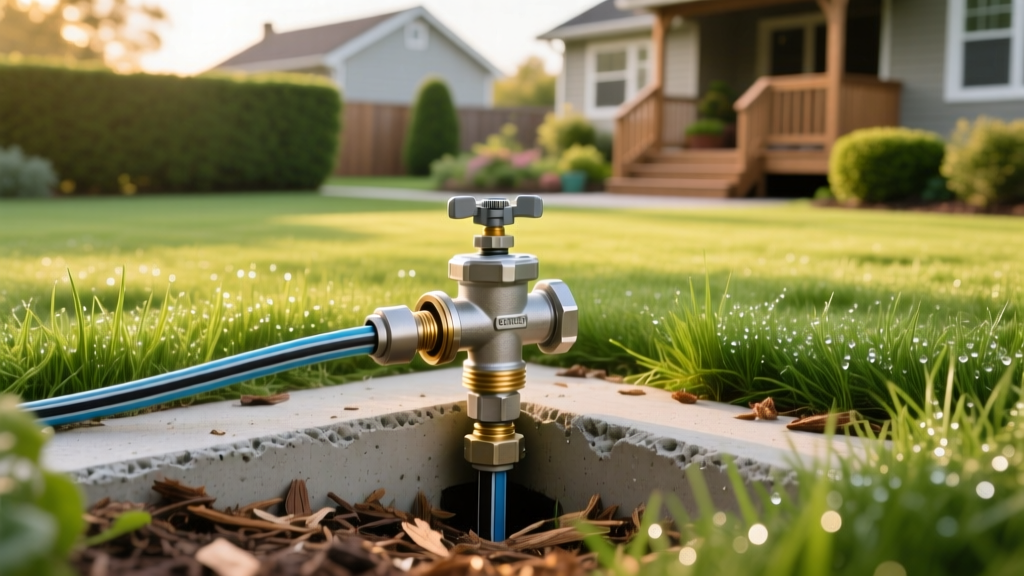
Backflow Valve for Sprinkler System: Types, Costs, and Code Compliance
Why a Backflow Valve for Sprinkler System Protection is Legally Mandatory
Selecting the correct backflow valve for sprinkler system protection is not merely a plumbing best practice; in nearly all North American municipalities, it is a strict legal requirement tied to your local water utility code. When your irrigation system is connected to the municipal potable water supply, a cross-connection exists. If water pressure in the main line drops suddenly—due to a water main break, a fire hydrant being opened, or a high-demand event—negative pressure can create a siphon effect. This siphonage pulls standing water from your lawn, along with fertilizers, pesticides, and animal waste, backward into the drinking water supply.
According to the Environmental Protection Agency (EPA), cross-connection control is a critical public health safeguard, and local water purveyors enforce these standards through annual testing mandates. Failing to install an approved backflow preventer, or failing to test it annually, can result in your water service being shut off and fines ranging from $100 to $500 per violation.
Key Distinction: Backpressure occurs when the downstream pressure exceeds the supply pressure (e.g., a pump in the irrigation system or a hill elevation). Backsiphonage occurs when supply pressure drops below atmospheric pressure. Your chosen device must be rated for the specific hazards present in your yard.
The 4 Approved Backflow Preventer Assemblies
Not all backflow devices are created equal. Local plumbing codes (such as the UPC or IPC) dictate which device you can use based on whether your system is considered a 'low hazard' (plain water) or 'high hazard' (chemical injection). Here is the technical breakdown of the four main assemblies used in residential and commercial landscaping.
1. Pressure Vacuum Breaker (PVB)
The PVB is the most common backflow valve for sprinkler system setups in residential applications. It features a single check valve and an air inlet valve that opens to the atmosphere when pressure drops, breaking the siphon. Installation rule: The PVB must be installed at least 12 inches above the highest downstream sprinkler head or pipe elevation. If your yard has a hill higher than the valve location, a PVB cannot be used.
- Top Models: Watts 007, Febco 825Y, Conbraco/Apollo 360.
- Best For: Standard residential lawns without chemical fertigation systems.
- Drawback: Can spit water from the relief valve during startup or pressure fluctuations.
2. Reduced Pressure Zone (RPZ) Assembly
The RPZ is the gold standard for high-hazard protection. It contains two independent check valves with a hydraulically monitored relief valve between them. If either check valve fails, the relief valve opens and dumps water to the ground, ensuring contaminated water never reaches the main line. Installation rule: Must be installed 12 inches above ground, but unlike the PVB, it does not need to be higher than the downstream piping, making it ideal for sloped properties.
- Top Models: Watts 009, Apollo 007Y, Febco 843.
- Best For: Commercial properties, sloped residential lots, and systems with fertilizer injectors.
- Drawback: Highest cost; significant water discharge if internal checks become fouled by debris.
3. Double Check Valve (DCV)
A DCV uses two internal spring-loaded check valves. Because it has no atmospheric vent, it does not spill water, making it highly desirable for indoor installations or underground vaults. However, it is only approved for low-hazard applications and is banned entirely by some strict municipal water districts.
4. Atmospheric Vacuum Breaker (AVB)
An AVB is a simple, inexpensive brass device that must be installed on every single zone of your sprinkler system, 6 inches above the highest head on that specific zone. They are rarely used in modern multi-zone systems because installing 8 to 12 individual AVBs is cost-prohibitive and impractical compared to a single master PVB or RPZ.
2026 Cost Breakdown: Device, Labor, and Testing
Budgeting for a backflow preventer requires looking beyond the retail price of the brass assembly. Installation labor, permitting, and mandatory annual testing make up a significant portion of the lifecycle cost. Below is the current market pricing for professional installation in 2026.
| Assembly Type | Device Cost (Brass) | Pro Installation Labor | Annual Testing Fee |
|---|---|---|---|
| PVB (3/4' or 1') | $140 - $220 | $250 - $400 | $45 - $75 |
| RPZ (3/4' or 1') | $280 - $450 | $350 - $600 | $65 - $120 |
| DCV (1') | $180 - $260 | $300 - $500 | $50 - $85 |
Permit Warning: Most municipalities require a plumbing permit for the initial installation or replacement of a backflow device. Permit fees typically range from $50 to $150. Skipping the permit can result in failed home inspections during a future property sale.
Step-by-Step Winterization: Protecting the Assembly from Freeze Damage
The most common cause of catastrophic backflow valve failure is freeze damage. When water trapped inside the brass casing freezes, it expands and cracks the body or shatters the internal check valve guides. Replacing a cracked Watts 009 RPZ body can cost over $400 in parts alone. Proper winterization is non-negotiable in climates where temperatures drop below 32°F (0°C).
The Compressed Air Blowout Method
This is the industry standard for clearing water from both the lateral pipes and the backflow assembly.
- Shut off the water: Close the main shut-off valve located upstream (inside the house or in a buried pit) of the backflow device.
- Drain the assembly: Open the test cocks on the backflow valve to a 45-degree angle. Open both the inlet and outlet ball valves on the device to a 45-degree angle to allow water to drain out.
- Connect the compressor: Attach an air hose to the system's blowout port. Crucial: You must use a tow-behind commercial compressor delivering 10 to 25 CFM (cubic feet per minute). Standard garage compressors (2-5 CFM) lack the volume to clear the lines and will overheat.
- Regulate the pressure: Never exceed 50 PSI for polyethylene pipe systems, or 80 PSI for Schedule 40 PVC systems. High pressure will melt poly pipes or shatter PVC fittings.
- Clear the zones: Run air through each zone until only a fine mist is emitted from the sprinkler heads (usually 2-3 minutes per zone).
Manual Drain Method (For Specific PVB Models)
Some modern PVBs, like the Febco 825Y, feature built-in manual drain ports. If your system is installed on a sloped grade where all lateral pipes drain away from the valve, you can simply shut off the water, open the test cocks, and open the manual drain caps at the base of the valve. However, the blowout method remains the safest guarantee against trapped water pockets.
Troubleshooting Common Backflow Valve Failures
Backflow assemblies are mechanical devices with rubber seals and springs that degrade over time. Before calling a licensed plumber or certified backflow tester, use this diagnostic framework to identify the issue.
Symptom: PVB Relief Valve is Spitting or Leaking Water
- Cause 1: Rapid Startup. If you open the upstream ball valve too quickly, a pressure shockwave lifts the check valve off its seat, allowing water to escape the relief valve. Fix: Close the valve, wait 10 seconds, and reopen it very slowly over a 5 to 10-second period.
- Cause 2: Fouled Check Disc. A piece of sand, Teflon tape, or mineral scale is trapped between the rubber check disc and the brass seat. Fix: Shut off the water, unscrew the top canopy, remove the check module, and rinse the rubber disc. If the rubber is scored or torn, install a repair kit (e.g., Watts 007 repair kit #0887112, approx. $25).
- Cause 3: Backpressure. The downstream pressure is higher than the supply pressure. Fix: A PVB cannot handle backpressure. You must replace the entire unit with an RPZ assembly.
Symptom: RPZ Relief Valve is Discharging Continuously
According to technical guidelines from Watts Water Technologies, continuous discharge from an RPZ relief valve almost always indicates that the first check valve is fouled or failing to hold a minimum 1.0 PSI differential. Debris is preventing the check from sealing, allowing supply water to push past the first check and fill the zone between the two checks, which triggers the relief valve to dump water to prevent cross-contamination. The solution is to rebuild the first check module and flush the line.
Code Compliance and Annual Testing Requirements
Installing the device is only the first step. Municipal water authorities require that all testable backflow preventers (PVB, RPZ, and DCV) be tested annually by a state-certified backflow tester. The tester uses a differential pressure gauge to verify that the check valves hold at least 1.0 PSI of resistance and that the relief valve opens at the correct pressure drop (typically 2.0 PSI below supply pressure for an RPZ).
Failure to submit the annual test report to your local water purveyor will result in a notice of violation, followed by a physical disconnection of your water meter. Keep a digital copy of your annual test certificate in your home maintenance records, as this documentation is frequently requested during real estate transactions and property insurance audits.

