
Lawn Care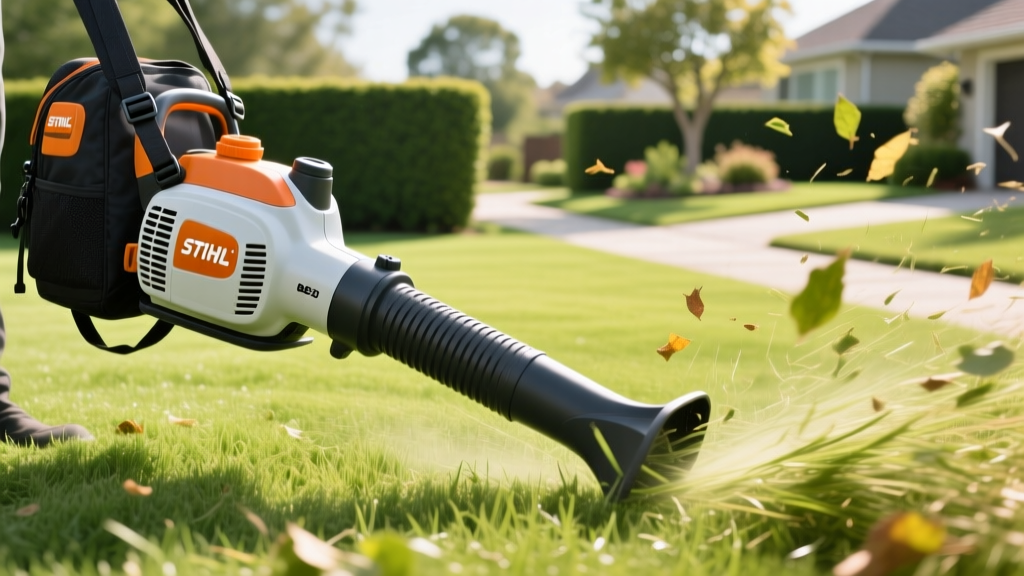
STIHL Blower BG 50: Maintenance, Tuning, and Performance Guide
The STIHL BG 50: Engineering and Application Overview
The STIHL blower BG 50 occupies a critical space in professional and prosumer lawn care fleets. Powered by a 27.2cc STRATOSCAPE engine, it delivers high-velocity airflow without the fatigue-inducing weight of larger commercial backpack units. For landscaping contractors managing autumn leaf drop or clearing spring aeration cores, the BG 50 offers a 159 mph maximum air velocity and 412 CFM (cubic feet per minute) air volume. However, like all high-revving 2-stroke equipment, its longevity is entirely dependent on precise maintenance protocols. Neglecting the fuel delivery system or ignoring the spark arrestor screen will rapidly degrade performance and lead to catastrophic cylinder scoring.
Core Specifications at a Glance
| Specification | Measurement / Detail |
|---|---|
| Engine Displacement | 27.2 cc |
| Brake Horsepower | 1.1 bhp |
| Max Air Velocity | 159 mph |
| Air Volume (CFM) | 412 CFM |
| Weight (Empty) | 7.9 lbs |
| Fuel Tank Capacity | 17.6 oz (0.52 Liters) |
| Spark Plug Type | NGK CMR6A / Bosch WSR6F |
Fuel Chemistry and the 50:1 Mixing Standard
The most common point of failure for the STIHL BG 50 is improper fuel formulation. The 27.2cc engine requires a strict 50:1 gasoline-to-oil ratio. This translates to exactly 2.6 fluid ounces of high-quality 2-stroke oil per 1 US gallon of gasoline. Using a 40:1 or 32:1 mix will cause excessive carbon buildup on the piston crown and foul the spark plug, while running leaner than 50:1 will strip lubrication from the crankshaft bearings and score the cylinder wall.
CRITICAL WARNING: Ethanol Degradation
Standard pump gasoline contains up to 10% ethanol (E10). Ethanol is hygroscopic, meaning it absorbs moisture from the air, leading to phase separation and internal corrosion of the BG 50’s Zama carburetor components. Always use ethanol-free gasoline (REC-90) or pre-mixed STIHL MotoMix, which guarantees a 50:1 ratio with zero ethanol and a 2-year shelf life.
Routine Maintenance Schedule and Intervals
To maintain the 159 mph air velocity, the intake and exhaust systems must remain unobstructed. Follow this hour-based maintenance matrix to prevent mid-job failures.
| Interval | Component | Action Required |
|---|---|---|
| Daily / 10 Hours | Air Filter (Fleece) | Tap out loose debris. Do not use compressed air, which drives dust into the fleece matrix. |
| 25 Hours | Spark Plug | Remove, inspect electrode wear, and reset gap to exactly 0.020 inches (0.5 mm). |
| 50 Hours | Air Filter | Wash in warm soapy water, rinse, and air dry completely. Do not apply filter oil to STIHL fleece filters. |
| 100 Hours | Spark Arrestor Screen | Remove muffler cover and scrub the screen with a brass wire brush to clear carbon deposits. |
| Annually | Fuel Filter & Lines | Replace the in-tank fuel filter pickup and inspect rubber fuel lines for dry rot or swelling. |
Carburetor Tuning and EPA Limit Caps
The STIHL BG 50 utilizes a Zama diaphragm carburetor equipped with three adjustment screws: L (Low-Speed Fuel), H (High-Speed Fuel), and LA (Idle Air/Fuel). Understanding how to interact with these screws is vital for diagnosing hesitation and stalling issues.
The Reality of EPA Limit Caps
Modern STIHL blowers are shipped with red or green plastic limit caps pressed onto the H and L screws. These caps are mandated by the EPA to prevent users from adjusting the engine past certified emission thresholds. Forcing these caps off will void your warranty and likely cause the engine to run dangerously lean at high RPMs, leading to piston seizure.
As a user, you should only adjust the LA (Idle) screw, which is uncapped and fully accessible. If the BG 50 stalls when you release the throttle trigger, turn the LA screw clockwise by 1/8th of a turn increments to increase the idle RPM until the engine transitions smoothly from idle to full throttle without bogging down.
Troubleshooting Common BG 50 Failure Modes
When the BG 50 fails to start or loses power, avoid immediately replacing the carburetor. Use this diagnostic framework to isolate the root cause.
- Symptom: Engine cranks but won't fire (Cold).
Cause: Flooded combustion chamber from excessive choking.
Fix: Move the choke lever to the open (run) position. Pull the starter rope 10-15 times rapidly to clear excess fuel through the exhaust. If the plug is soaked, remove it, dry it, and pull the rope 5 times with the plug hole exposed to vent the cylinder. - Symptom: Bogging down under heavy throttle.
Cause: Clogged spark arrestor screen in the muffler.
Fix: The 27.2cc engine produces high exhaust heat. If the arrestor screen is more than 60% blocked by carbon, exhaust gases cannot escape, choking the engine. Remove the muffler cover (requires a T20 Torx bit) and clean the screen. - Symptom: Hard starting after sitting for 30+ days.
Cause: Varnished carburetor diaphragm or clogged main jet due to E10 fuel evaporation.
Fix: Rebuild the carburetor using an OEM Zama repair kit (Part # 4182-141-0300 or equivalent). Do not use aftermarket clone carburetors, as their internal gaskets frequently fail under the BG 50's high-heat operating conditions.
End-of-Season Winterization Protocol
Storing the STIHL BG 50 improperly during the winter months is the primary reason for spring-time carburetor replacements. If you choose not to use STIHL MotoMix (which contains built-in stabilizers), you must execute a proper winterization sequence.
- Add a fuel stabilizer (such as STA-BIL 360° Ethanol Treatment) to your gas can and run the BG 50 for 5 minutes to circulate the treated fuel through the carburetor jets.
- Turn the fuel valve off (if equipped) or pinch the fuel line, and allow the engine to run until it completely stalls. This empties the carburetor bowl of liquid fuel that would otherwise evaporate and leave a gummy varnish residue.
- Remove the spark plug and inject 5ml of fogging oil or clean 2-stroke oil directly into the cylinder bore.
- Pull the starter rope slowly 3 to 4 times to coat the piston rings and cylinder walls, preventing rust and corrosion during storage.
- Reinstall the spark plug and store the unit in a dry, climate-controlled environment away from direct UV exposure.
By adhering to these exact maintenance parameters, the STIHL BG 50 will reliably deliver commercial-grade clearing power for hundreds of operating hours, minimizing fleet downtime and maximizing your lawn care efficiency.

