
Lawn Care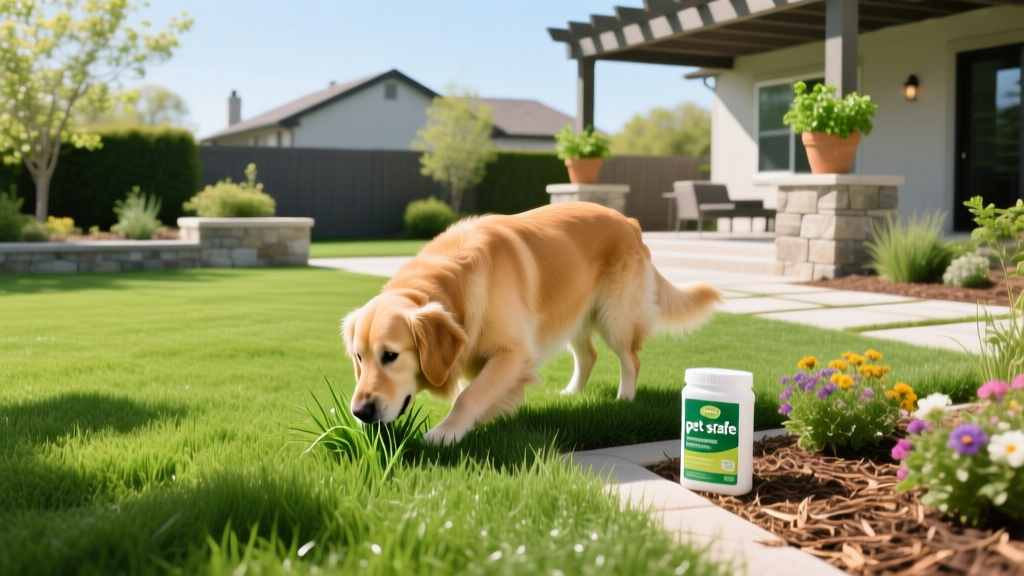
How to Stop Dog From Eating Grass: A Weed & Lawn Safety Playbook
The Hidden Link Between Lawn Weeds and Canine Grazing
When a dog habitually eats grass, most owners assume it is a purely behavioral or dietary issue. However, from a turf management perspective, the composition of your lawn plays a massive role in this behavior. Dogs are not grazing on your turfgrass out of a desire for roughage; they are actively foraging for specific, sweet-tasting broadleaf weeds and invasive grasses that infiltrate your yard.
White clover (Trifolium repens), crabgrass (Digitaria), and young dandelion leaves contain higher sugar concentrations and distinct flavors that attract canine palates. Furthermore, if you are treating these weeds with traditional synthetic herbicides like 2,4-D or glyphosate, you risk exposing your pet to toxic residues. According to the EPA's guidelines on pet safety and pesticides, dogs absorb lawn chemicals directly through their paw pads and ingest them when grooming or grazing.
To stop your dog from eating grass, you must eliminate the palatable weeds using pet-safe protocols, renovate the turf to be less inviting, and manage the soil ecosystem without introducing toxins.
⚠️ Toxicity Warning: Never use herbicides containing dicamba, 2,4-D, or glyphosate in areas accessible to grazing dogs. The ASPCA Animal Poison Control Center notes that ingestion of treated vegetation can lead to severe gastrointestinal distress, neurotoxicity, and long-term cellular damage in canines.
The Pet-Safe Weed & Pest Removal Playbook
Eliminating the "snack bar" in your lawn requires a two-pronged approach: pre-emergent weed prevention and post-emergent eradication, utilizing only pet-safe active ingredients.
1. Post-Emergent: Chelated Iron (FeHEDTA)
Chelated iron is the gold standard for broadleaf weed control in pet-friendly households. Products like Fiesta Turf Weed Killer or Natria Lawn Weed Control utilize Iron HEDTA. Broadleaf weeds (clover, dandelions, plantain) absorb the iron rapidly, causing cellular necrosis and death within hours, while turfgrass naturally tolerates the iron spike.
- Application Rate: 2.5 to 3.0 fluid ounces per 1,000 square feet.
- Pet Re-entry Time: Safe for dogs once the liquid has completely dried (typically 2 to 4 hours depending on humidity).
- Cost: Approximately $45 per gallon, treating up to 15,000 sq ft.
2. Pre-Emergent: Corn Gluten Meal (CGM)
To stop crabgrass and new clover seeds from germinating in the spring, apply Corn Gluten Meal. Brands like Espoma Organic Weed Preventer inhibit the root formation of germinating seeds without harming established plants or posing any toxicity risk to pets. As a bonus, CGM breaks down into a slow-release nitrogen fertilizer (10-0-0), thickening your turf to naturally choke out future weeds.
- Application Rate: 20 lbs per 1,000 square feet.
- Timing: Apply when soil temperatures reach 50°F to 55°F (usually early spring, coinciding with forsythia blooms).
- Pet Re-entry Time: Immediate. It is essentially a food-grade grain byproduct.
Herbicide Comparison: Pet-Safe vs. Traditional
Understanding the trade-offs between conventional chemical warfare and ecological lawn care is critical for pet owners.
| Feature | Chelated Iron (FeHEDTA) | Traditional Synthetic (2,4-D / Dicamba) |
|---|---|---|
| Target Weeds | Broadleaf (Clover, Dandelion) | Broadleaf & some grassy weeds |
| Pet Safety Profile | High (Safe when dry) | Low (Toxic residue persists) |
| Re-entry Wait Time | 2 - 4 Hours | 24 - 72 Hours (often longer) |
| Impact on Soil Microbes | Neutral to Positive (adds iron) | Negative (disrupts microbiome) |
| Applications Needed | 2 - 3 per season for full control | 1 - 2 per season |
Landscape Modifications to Deter Grazing
If weed removal does not entirely break the habit, you must alter the physical landscape to make grazing unappealing or impossible.
Overseed with Tough, Unpalatable Turf
Dogs prefer tender, young shoots. If your lawn consists of fine fescues or ryegrass, it may be too soft and inviting. Transition to tougher, deep-rooted grasses that are less palatable and highly resistant to dog urine and foot traffic.
- Cool-Season Regions: Overseed with Turf-Type Tall Fescue (e.g., Jonathan Green Black Beauty). Its deep root system and coarse blade texture are highly unappealing to foraging dogs.
- Warm-Season Regions: Transition to Zoysia (e.g., Empire or Meyer). Zoysia forms a dense, thick mat with high silica content, making it tough to chew and digest.
Install a Designated "No-Graze" Dog Run
Break the behavioral loop by providing an alternative zone. Build a 10x10 foot dog run in a shaded corner of the yard using 3/8-inch pea gravel or cedar mulch over a weed-barrier fabric. This provides a comfortable, drainable surface for elimination and play, completely devoid of edible vegetation. Train your dog to use this area on a leash for the first two weeks, rewarding with high-value treats to establish the new boundary.
💡 Pro Tip: The Fiber Fix
If your dog continues to seek out grass despite a weed-free lawn, they may have a fiber deficiency. Add 1 to 2 tablespoons of plain, unsweetened canned pumpkin puree (not pie filling) to their daily meals. The dense soluble fiber satisfies the biological drive for roughage, usually eliminating the urge to graze within 48 hours.
If your dog continues to seek out grass despite a weed-free lawn, they may have a fiber deficiency. Add 1 to 2 tablespoons of plain, unsweetened canned pumpkin puree (not pie filling) to their daily meals. The dense soluble fiber satisfies the biological drive for roughage, usually eliminating the urge to graze within 48 hours.
Frequently Asked Questions
Does eating grass mean my dog has an upset stomach?
Not necessarily. While dogs do occasionally eat grass to induce vomiting if they feel nauseous, veterinary behaviorists note that less than 25% of dogs vomit after grazing. In most cases, it is a learned foraging behavior driven by the taste of specific weeds, boredom, or a lack of dietary fiber.
What should I do if my dog eats grass treated with synthetic herbicides?
Check the product label immediately for the active ingredient. If the grass was treated with 2,4-D, dicamba, or glyphosate within the last 48 hours, contact the ASPCA Animal Poison Control Center at (888) 426-4435 or your emergency veterinarian. Bring the herbicide packaging with you to the clinic.
How long does it take for chelated iron to kill clover?
You will typically see visible browning and necrosis on clover and dandelion leaves within 24 to 48 hours of application. Complete plant death, including the root system, usually occurs within 10 to 14 days, depending on ambient temperatures and soil moisture.

