
Lawn Care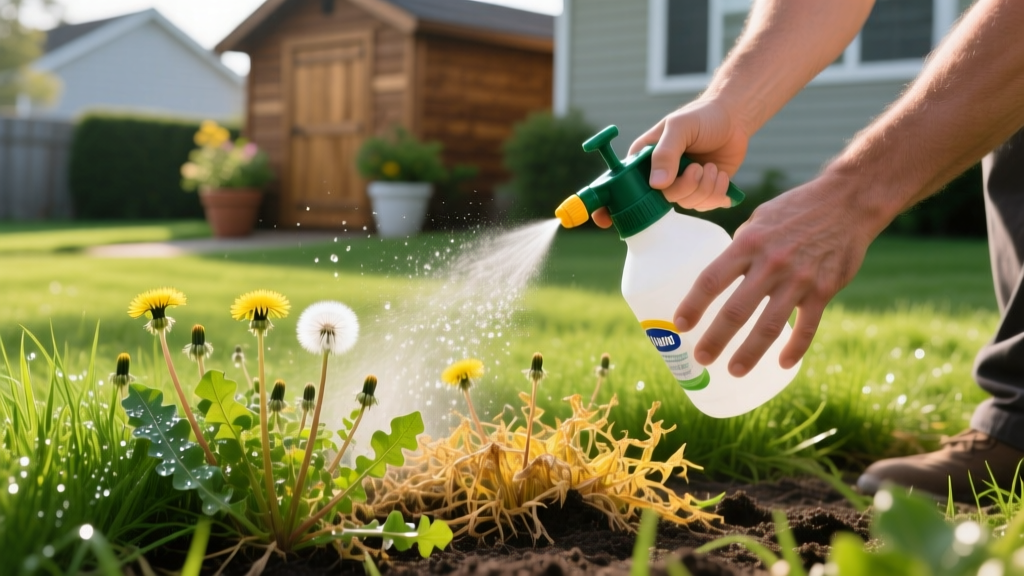
Proven Recipe for Killing Weeds with Vinegar and Dish Soap
The Shift to Organic Desiccants in Modern Lawn Care
As municipal bans on synthetic glyphosate and 2,4-D expand through 2026, homeowners and professional landscapers are rapidly adopting organic, chemical-free controls. Among these, acetic acid-based solutions have emerged as the most accessible and effective contact herbicides. However, simply pouring kitchen vinegar on a dandelion yields poor results. To achieve a 90%+ burn-down rate on broadleaf weeds, you need a precise recipe for killing weeds with vinegar that leverages cellular desiccation and cuticle-stripping surfactants.
Key Efficacy Thresholds
- Minimum Acetic Acid Concentration: 10% for seedlings; 20% to 30% for established perennials.
- Optimal Temperature: 75°F to 85°F (accelerates cellular fluid evaporation).
- Surfactant Requirement: 0.5% to 1% volume-to-volume ratio to break the leaf's waxy cuticle.
The Chemistry of Acetic Acid Desiccation
Acetic acid does not kill weeds systemically; it is a contact desiccant. When applied, the acid lowers the pH of the plant tissue, causing the cell membranes to rupture. This leads to rapid dehydration and necrosis of the foliage. However, mature weeds possess a hydrophobic waxy cuticle that repels water-based solutions. This is where the surfactant (soap) becomes non-negotiable. According to the EPA's guidelines on organic pesticides, surfactants reduce the surface tension of the liquid, allowing the acetic acid to spread evenly and penetrate the stomata of the leaf rather than beading up and rolling off.
The Master Recipe for Killing Weeds with Vinegar
This formulation is designed for spot-treatment of broadleaf weeds (dandelions, plantain, clover) in hardscape cracks, garden beds, and lawn perimeters. Do not broadcast spray this over your turfgrass, as it is non-selective and will burn your lawn.
- Acquire Horticultural Vinegar: Purchase 1 gallon of 20% or 30% acidity horticultural vinegar. Standard 5% grocery store vinegar lacks the proton concentration required to burn established taproots.
- Select the Right Surfactant: Add 2 fluid ounces (4 tablespoons) of pure liquid castile soap (e.g., Dr. Bronner's Unscented Baby) or a dedicated agricultural non-ionic surfactant. Avoid heavy degreasing dish soaps like Dawn Ultra, which contain synthetic detergents and sodium salts that can harm soil microbiology.
- Mix in a Dedicated Sprayer: Pour the vinegar into a 1-gallon polyethylene pump sprayer. Never use a sprayer that has previously held synthetic systemic herbicides.
- Agitate Gently: Add the soap last to prevent excessive foaming. Seal the tank and swirl gently to integrate.
- Pressurize: Pump the tank to 40–50 PSI. A finer mist ensures complete foliar coverage without excessive soil drenching.
Ingredient Sourcing and Cost Breakdown
Understanding the cost-per-gallon of your organic controls helps in budgeting for seasonal maintenance. Below is a comparison of acetic acid grades available to consumers in 2026.
| Vinegar Grade | Acetic Acid % | Avg. Cost (1 Gallon) | Best Use Case | Safety Gear Required |
|---|---|---|---|---|
| Household White | 5% | $3.50 | Very young seedlings, moss on brick | None |
| Cleaning Vinegar | 10% | $8.00 | Annual weeds, small broadleaves | Eye protection |
| Horticultural (20%) | 20% | $24.00 | Established dandelions, thistles | Goggles, nitrile gloves, mask |
| Industrial (30%) | 30% | $32.00 | Woody stems, poison ivy, hardscapes | Full face shield, acid gloves |
Application Protocol: Maximizing Cell Rupture
The efficacy of this recipe for killing weeds with vinegar is entirely dependent on environmental timing. Acetic acid relies on solar radiation to accelerate the desiccation process.
- Time of Day: Spray between 8:00 AM and 11:00 AM. This allows the solution to coat the leaves just as the sun's UV index and ambient temperatures begin to peak, driving rapid moisture loss from the damaged cells.
- Weather Constraints: Ensure zero precipitation is forecasted for at least 12 hours post-application. Wind speeds should be under 5 MPH to prevent drift onto desirable ornamentals.
- Targeting Technique: Spray until the leaves are visibly wet but not dripping. Dripping indicates wasted product that is pooling into the soil, where acetic acid is rapidly neutralized by soil carbonates.
Critical Warning: The Salt Myth
Many outdated internet recipes suggest adding Epsom salt or table salt (sodium chloride) to vinegar mixtures. Do not add sodium chloride to your weed killer. Sodium accumulates in the soil profile, destroying soil structure, causing osmotic stress, and rendering the area sterile for future planting. While Epsom salt (magnesium sulfate) is less damaging, it is unnecessary for foliar desiccation and alters the soil's cation exchange capacity. Stick strictly to the vinegar and surfactant recipe for soil-safe organic control.
Managing Perennial Weeds and Root Systems
Because acetic acid is a contact herbicide, it does not translocate down into the root system like synthetic glyphosate. For annual weeds, a single application of 20% vinegar is usually fatal. For deep-rooted perennials like Canada thistle or bindweed, the top growth will wither in 24 hours, but the root may attempt to resprout.
The Exhaustion Strategy: Monitor the treated area every 5 to 7 days. As soon as new silver-dollar-sized leaves emerge from the perennial root, hit them immediately with the vinegar spray. By repeatedly destroying the photosynthetic tissue before it can generate and store carbohydrates, you will starve and exhaust the root system within 3 to 4 weeks. The Old Farmer's Almanac corroborates that persistent foliar burning is the most effective organic method for depleting perennial root energy reserves.
Post-Application Soil Remediation
While vinegar breaks down rapidly in the soil (usually within 48 to 72 hours as soil microbes metabolize the acetate), heavy or repeated applications can temporarily lower soil pH. If you are treating weeds in a garden bed where you plan to sow seeds or transplant seedlings later in the season, apply a light dusting of dolomitic lime to the treated soil area one week after spraying. This buffers the pH back to a neutral 6.5–7.0 range, ensuring optimal conditions for beneficial mycorrhizal fungi and nitrogen-fixing bacteria.
Frequently Asked Questions
Will this vinegar recipe kill my Bermuda or Fescue grass?
Yes. Acetic acid is non-selective. If it touches your turfgrass, it will burn the leaf blades. Use a cardboard shield or a specialized bell-sprayer nozzle when treating weeds embedded directly in your lawn to protect the surrounding grass.
Can I use apple cider vinegar instead of white vinegar?
Technically yes, but it is economically inefficient. Apple cider vinegar typically maxes out at 5-6% acidity and costs significantly more per ounce. The desiccation power comes strictly from the acetic acid concentration, not the source material.
How long does it take to see results?
Under optimal conditions (full sun, temperatures above 75°F), you will see visible wilting and browning within 2 to 4 hours. Complete necrosis of the treated foliage occurs within 24 to 48 hours.

