
Lawn Care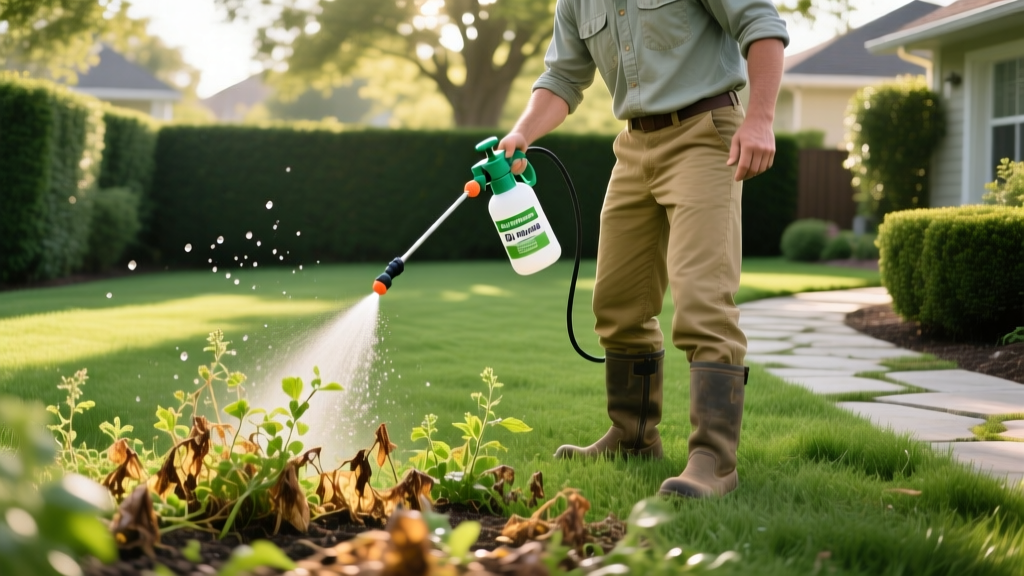
Vinegar Grass Killer Guide: Mixing 20% Acetic Acid for Weed Control
The Reality of Using Vinegar as a Grass Killer
The search for an effective, chemical-free herbicide often leads homeowners to the kitchen pantry. However, using a vinegar grass killer requires a fundamental shift in how you approach weed control. Unlike synthetic systemic herbicides like glyphosate, which travel through the plant's vascular system to kill the roots, acetic acid is strictly a contact herbicide. It destroys the cell membranes of the foliage it touches, causing rapid desiccation and tissue death within hours.
While standard culinary vinegar will merely stunt young seedlings, achieving true knockdown power on established grasses and broadleaf weeds requires horticultural-grade acetic acid. This guide details the precise chemistry, mixing protocols, and safety parameters required to use high-concentration vinegar effectively without ruining your soil ecology or risking chemical burns.
Critical Safety Warning
Horticultural vinegar (20% to 30% acetic acid) is highly corrosive. It can cause irreversible eye damage and severe skin burns. Always wear ANSI Z87.1-rated splash goggles, chemical-resistant nitrile gloves, and long sleeves when mixing or applying concentrations above 10%.
The Science of Acetic Acid Desiccation
Acetic acid (CH3COOH) functions by rapidly lowering the pH of plant cells upon contact. This extreme acidity breaks down the waxy cuticle and cell membranes, causing the plant to leak its internal fluids and dry out. According to the National Pesticide Information Center (NPIC), acetic acid is a fast-acting burn-down agent that leaves no toxic residual in the soil, as soil microbes rapidly break it down into carbon dioxide and water.
However, because it lacks systemic action, the roots of perennial weeds remain untouched. If the root system has enough stored carbohydrates, the weed will often resprout within 7 to 14 days, requiring repeat applications.
Household vs. Horticultural Vinegar: A Concentration Matrix
Not all vinegar is created equal. The efficacy of your vinegar grass killer depends entirely on the concentration of acetic acid. Below is a breakdown of what is available on the market in 2026 and how each performs.
| Concentration | Type | Efficacy on Grass | Avg. Cost (Per Gallon) | PPE Required |
|---|---|---|---|---|
| 5% | Household White | Poor (Only kills tiny seedlings) | $3.00 - $5.00 | None |
| 10% | Cleaning / Pickling | Fair (Burns young annuals) | $12.00 - $18.00 | Gloves, Eye Protection |
| 20% | Horticultural | Good (Desiccates mature foliage) | $35.00 - $45.00 | Goggles, Nitrile Gloves, Mask |
| 30% | Industrial | Excellent (Severe burn-down) | $50.00 - $65.00 | Full Face Shield, Heavy Gloves |
For residential lawn care and driveway edging, 20% horticultural acetic acid provides the best balance of efficacy, cost, and manageable safety risks. Products like Green Gobbler 20% or Harris 20% are widely available and EPA-exempt under the Minimum Risk Pesticide (FIFRA Section 25(b)) guidelines.
The Ultimate 20% Vinegar Grass Killer Recipe
Pouring straight vinegar from the jug is a waste of product. Acetic acid beads up and rolls off the waxy cuticles of mature grass blades. To make your vinegar grass killer effective, you must add a surfactant to break the surface tension and an essential oil synergist to accelerate cell wall breakdown.
Ingredients and Equipment
- 1 Gallon 20% Horticultural Acetic Acid
- 1 oz Liquid Castile Soap or non-ionic agricultural surfactant
- 2 oz d-limonene (Orange Oil extract)
- Equipment: 1.5-gallon High-Density Polyethylene (HDPE) or Polypropylene pump sprayer. Never use metal sprayers; acetic acid will rapidly corrode aluminum and steel tanks.
Step-by-Step Mixing Protocol
- Prep the Sprayer: Ensure your HDPE sprayer is clean and free of previous chemical residues.
- Add the Surfactant: Pour the 1 oz of castile soap into the empty tank first. This prevents excessive foaming when the vinegar is added.
- Add the Synergist: Pour in the 2 oz of d-limonene. Citrus oils dissolve the waxy plant cuticle, allowing the acid to penetrate faster.
- Add the Acid: Carefully pour the 1 gallon of 20% acetic acid into the tank.
- Agitate: Seal the tank tightly and shake gently for 30 seconds to ensure an even emulsion.
Application Strategy: Timing and Technique
The success of a contact herbicide relies heavily on environmental conditions. Acetic acid requires heat and ultraviolet light to maximize desiccation.
Apply your vinegar grass killer between 10:00 AM and 2:00 PM on a sunny day when temperatures exceed 80°F (26°C). Spraying in the evening or on cloudy days reduces efficacy by up to 60%, as the plant has time to repair cellular damage before the sun bakes the exposed tissue.
Adjust your sprayer nozzle to a coarse fan spray. A fine mist will drift in the wind and damage desirable lawn grasses or ornamental shrubs. Target only the weeds or grass patches you intend to kill, keeping the spray within 6 inches of the ground.
Limitations: When Vinegar Fails
While highly effective on annual grasses like crabgrass and goosegrass, a vinegar grass killer will repeatedly fail against deep-rooted perennial weeds. You should avoid relying on acetic acid for the following invaders:
- Bermudagrass & Zoysia: Their extensive underground rhizome networks store massive energy reserves. The foliage will burn, but the grass will resprout in a week.
- Nutsedge & Quackgrass: These produce underground tubers and nutlets that are completely unaffected by contact herbicides.
- Mature Dandelions & Bindweed: Deep taproots allow these broadleaf weeds to easily push new growth from the crown.
For these species, manual extraction (digging out the root) or targeted use of systemic organic herbicides containing pelargonic acid combined with mechanical removal is required.
Soil Recovery and Post-Application Care
A common myth is that vinegar sterilizes the soil permanently. In reality, soil bacteria rapidly metabolize acetic acid. However, a heavy application will temporarily drop the soil pH, making it highly acidic and inhibiting seed germination.
If you plan to reseed or plant in the treated area, follow this recovery protocol:
- Wait 48 Hours: Allow the acetic acid to break down naturally.
- Flush the Soil: Water the area deeply for 20 minutes to push any remaining acid residues past the root zone.
- Neutralize: Apply pelletized calcitic lime at a rate of 5 lbs per 1,000 square feet to buffer the soil pH back to the 6.0 - 7.0 range optimal for turfgrass.
- Replant: You can safely sow grass seed or plant ornamentals 5 to 7 days after the lime application.
Frequently Asked Questions
Will vinegar grass killer harm my pets?
Once the spray has completely dried (usually within 1 to 2 hours), the treated area is safe for pets. Wet 20% acetic acid can cause severe irritation to a dog or cat's paws and mucous membranes, so keep them indoors during application and until the foliage is dry.
Can I mix vinegar with bleach for a stronger killer?
Never mix acetic acid with bleach. This chemical reaction produces chlorine gas, which is highly toxic and potentially lethal to humans and pets. Stick to the soap and orange oil recipe provided above.
Does adding salt to the vinegar recipe improve results?
While adding sodium chloride (table salt) will kill weeds faster, it permanently salinizes the soil. Salt prevents future plant growth and can leach into surrounding lawn areas, killing desirable grass and ruining soil structure for years. Avoid salt in any organic lawn care regimen.

