
Lawn Care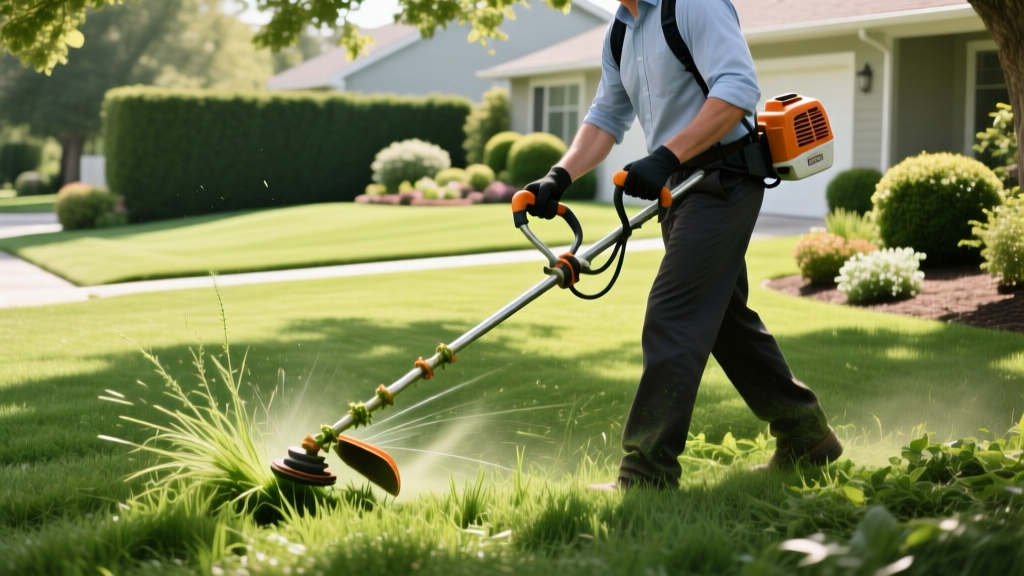
Weed Eater vs Weed Wacker: String Trimmer Weed Control
The Semantics of Trimming: Weed Eater vs Weed Wacker
The "weed eater vs weed wacker" debate is entirely semantic, not mechanical. Both terms refer to the exact same landscaping tool: the string trimmer. "Weed Eater" is a legacy brand name originally founded by George Ballas in 1971 and now owned by Husqvarna, while "weed wacker" is a regional colloquialism that became a genericized trademark. The industry-standard term is string trimmer or line trimmer.
Terminology Breakdown:
- Weed Eater: A specific trademarked brand of trimmers (Husqvarna/Poulan Pro).
- Weed Wacker: Slang predominantly used in the Midwest and Western US.
- String Trimmer: The universal technical term used by agronomists and landscaping professionals.
- Whipper Snipper: Regional slang common in Canada and Australia.
While the names are interchangeable, the way homeowners use these tools to manage specific weed species is where critical errors occur. Blindly hacking away at invasive weeds with a trimmer line can trigger biological defense mechanisms, spread rhizomes, or scatter thousands of seeds across your turf. Effective weed species spot-treatment requires understanding when to use mechanical trimming versus targeted chemical application.
Mechanical Trimming vs. Chemical Spot-Treatment Matrix
Not all weeds respond to mechanical cutting the same way. Some require immediate chemical intervention, while others must be prepped with a trimmer before herbicides can penetrate the canopy. Use this decision matrix to determine your spot-treatment protocol.
| Weed Species | Trimming Efficacy | Recommended Chemical | Spot-Treatment Action Plan |
|---|---|---|---|
| Smooth Crabgrass | Low (High risk of seed spread) | Quinclorac (e.g., Drive XLR8) | Bag clippings immediately if seed heads are present. Apply Quinclorac to regrowth. |
| Yellow Nutsedge | Zero (Triggers tuber sprouting) | Sulfentrazone or Halosulfuron-methyl | Do not trim below the canopy. Spray directly on intact leaves for translocation to nutlets. |
| Dallisgrass | Moderate (Good for prep) | Fluazifop (e.g., Ornamec) or MSMA | Mow/trim high to remove seed heads, wait 3 days for regrowth, then spot-spray. |
| Creeping Charlie | Negative (Spreads stolons) | Triclopyr + Dicamba | Avoid trimmer edging near beds. Use a shield and spray liquid herbicide directly. |
Species-Specific Trimmer Protocols
Scenario 1: Crabgrass and Poa Annua Seed Head Management
Crabgrass (Digitaria sanguinalis) is a prolific summer annual. A single plant can produce up to 150,000 seeds. If you use a string trimmer to cut down mature crabgrass with visible seed heads (the finger-like spikes), the centrifugal force of the trimmer line will act as a broadcast spreader, launching seeds into your pristine turf and garden beds.
The Protocol: If seed heads are present, do not use a string trimmer. Instead, use hand shears to snip the seed heads and drop them directly into a bucket or yard waste bag. If the crabgrass is in the vegetative stage (no seeds), you can safely trim it down to the turf canopy level to expose the base, followed by a spot-treatment of Quinclorac, which is highly effective on mature crabgrass.
Scenario 2: The Yellow Nutsedge Trap
Yellow nutsedge (Cyperus esculentus) is technically a sedge, not a grass, and it reproduces primarily through underground tubers called "nutlets." According to NC State Extension, pulling or aggressively trimming nutsedge snaps the rhizome, which biologically signals the dormant nutlets to activate. Cutting one nutsedge shoot can result in three new shoots emerging from the soil within a week.
The Protocol: Keep your string trimmer away from nutsedge patches. Allow the leaves to grow to at least 3 to 4 inches above the turf canopy. This leaf surface area is required to absorb and translocate systemic herbicides like Sulfentrazone (Dismiss) or Halosulfuron-methyl (SedgeHammer) down into the root zone to kill the nutlets.
Scenario 3: Prepping Dallisgrass for Herbicide Penetration
Dallisgrass (Paspalum dilatatum) is a deep-rooted perennial weed that forms dense, coarse clumps. Its thick canopy often prevents liquid herbicides from reaching the crown and root system. University of Florida IFAS notes that Dallisgrass is notoriously difficult to control with single herbicide applications.
The Protocol: Use your string trimmer to scalp the Dallisgrass clump down to about 1 inch above the soil line. Bag the clippings to remove the bulk of the biomass. Wait 48 to 72 hours for fresh, tender regrowth to emerge from the crown. Spot-treat this new growth with Fluazifop (for tall fescue lawns) or a targeted glyphosate application (using a precision weeding wand to avoid turf kill in warm-season lawns).
Precision Equipment for Targeted Weed Management
When spot-treating weeds near delicate landscape beds or hardscape edges, tool control is paramount. A heavy, unbalanced trimmer will lead to accidental scalping and turf damage. Here are three high-precision models ideal for targeted weed management in 2026:
- EGO POWER+ ST1510T 15-Inch Powerload ($199 - $229): Features a variable-speed trigger that allows you to dial down the RPMs for precision edging around creeping charlie and clover hiding near garden borders. The Powerload head eliminates the frustration of manually threading line, saving time during spot-treatment sessions.
- Husqvarna 128LD ($229 - $249): A 28cc gas-powered straight-shaft trimmer. The high torque is necessary for cutting through thick, fibrous Dallisgrass and torpedograss clumps without the line bogging down or snapping. Ideal for large properties with heavy perimeter weed pressure.
- Milwaukee M18 FUEL Quik-Lok ($249 tool-only): The Quik-Lok attachment system allows you to swap the string trimmer head for an edger blade in seconds. This is critical for maintaining a physical barrier trench between your lawn and garden beds, preventing rhizomatous weeds like bermudagrass from invading flower beds.
Critical Mistakes That Worsen Weed Infestations
Warning: The Rhizome Spread Effect
Never use a string trimmer to aggressively edge the boundary between your lawn and a garden bed if your turf is Bermudagrass, Zoysiagrass, or if you are battling Torpedograss. The trimmer line chops the underground stolons and rhizomes into tiny fragments, flinging them into the mulch bed. Each fragment can root and establish a new, highly invasive weed colony in your landscaping.
Another common error is canopy scalping. Homeowners often tilt the trimmer head downward to cut weeds as low as possible. This removes the growing point of the desired turfgrass, causing it to thin out. Bare soil is the primary germination zone for light-dependent weed seeds like spurge and prostrate knotweed. Always keep the trimmer head parallel to the ground, cutting the weed slightly above the desired turf height.
Integration with Pre-Emergent Programs
If you have recently applied a pre-emergent herbicide (like Prodiamine or Dithiopyr) in early spring, avoid using a string trimmer to aggressively edge your lawn borders or aerate the soil surface. Pre-emergents work by creating a microscopic chemical barrier in the top 1/4 inch of soil. Trenching with a trimmer or edger breaks this barrier, creating a physical entry point for crabgrass and goosegrass seeds to bypass your chemical defense.

