Lawn Care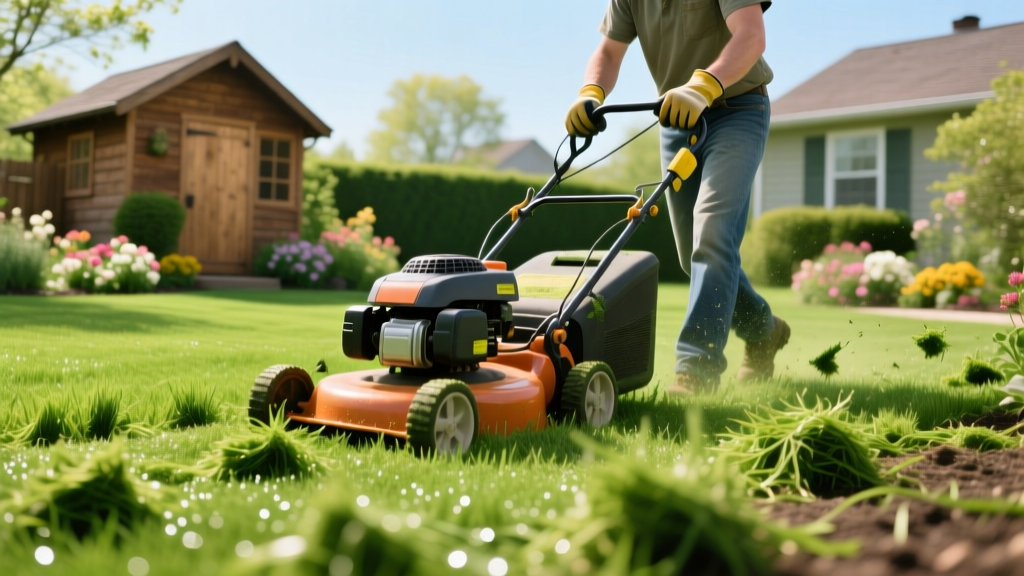
What to Do With Grass Clippings: The Ultimate Lawn Recycling Guide
Every time you mow, your lawn produces pounds of organic material. For decades, the standard practice was to bag these clippings and send them to a landfill. Today, turfgrass science and environmental standards have shifted dramatically. If you are wondering what to do with grass clippings, the short answer is that leaving them on the lawn or recycling them into your garden is almost always the superior choice. Grass clippings contain roughly 80% water and up to 4% nitrogen by weight, making them a free, high-quality fertilizer and soil amendment.
However, simply dumping clumps of wet grass onto your lawn or tossing them blindly into a compost bin can lead to fungal diseases, anaerobic sludge, and garden damage. This guide breaks down the exact science and practical steps for managing your lawn's organic output.
The Great Thatch Myth: Why Leaving Clippings is Usually Best
The most common reason homeowners bag their clippings is the fear of thatch buildup. Thatch is a dense, spongy layer of organic matter that sits between the soil surface and the green grass blades, blocking water and air. However, according to University of Minnesota Extension turfgrass specialists, grass clippings do not contribute to thatch.
Thatch is primarily composed of lignin-rich plant parts that resist rapid decay, specifically stolons, rhizomes, and deep roots. Grass leaf blades, on the other hand, are highly cellular, water-dense, and lack significant lignin. When left on the lawn, soil bacteria and earthworms break down fresh clippings in just 7 to 14 days. By leaving them, you return up to 25% of the nitrogen your lawn needs back into the soil ecosystem, reducing your annual fertilizer costs.
Method 1: Grasscycling (Leaving Them on the Lawn)
Grasscycling is the practice of leaving clippings on the turf. To do this without smothering your grass, you must follow the One-Third Rule: never remove more than the top one-third of the grass blade in a single mowing session.
- For Tall Fescue or Kentucky Bluegrass (Cool-Season): Maintain a height of 3 to 4 inches. Mow when the grass reaches 4.5 to 5 inches, cutting it back down to 3 inches.
- For Bermudagrass or Zoysia (Warm-Season): Maintain a height of 1.5 to 2.5 inches. Mow when it reaches 3 inches.
Equipment Adjustments for Grasscycling
While any mower can grasscycle, mulching mowers or mulching blade kits drastically improve the result. Standard high-lift mower blades are designed to create airflow that shoots clippings out the side discharge. Mulching blades (often featuring extra cutting teeth or a star shape, like the Oregon Gator blades) keep the clippings suspended under the mower deck longer, chopping them into fine, 1/4-inch particles that fall easily through the turf canopy to the soil below.
Pro Tip: If you miss a mowing and the grass is overgrown, do not attempt to mulch it all at once. Set your mower deck to its highest setting to take off the top third, bag or rake those clippings, and then lower the deck for a second pass a few days later.
Method 2: Composting Grass Clippings (Mastering the C:N Ratio)
If you prefer a manicured look or have overgrown grass that must be raked, composting is an excellent alternative. However, you cannot simply pile fresh grass clippings in a corner and expect rich humus. Fresh clippings are a "green" compost ingredient, meaning they are incredibly high in nitrogen (a Carbon-to-Nitrogen ratio of roughly 15:1).
When piled alone, high-nitrogen clippings rapidly deplete oxygen, turning into a slimy, foul-smelling anaerobic mat that releases ammonia gas. To compost them properly, you must balance them with "brown" carbon-heavy materials.
The 2:1 Composting Formula
Mix your fresh grass clippings with dry brown materials (like shredded autumn leaves, straw, or shredded cardboard) at a ratio of 2 parts brown to 1 part green by volume. This achieves the ideal 30:1 C:N ratio required for efficient aerobic decomposition.
- Layering: Add a 2-inch layer of fresh clippings, followed by a 4-inch layer of dry browns.
- Aeration: Turn the pile with a pitchfork every 3 to 5 days to introduce oxygen and prevent anaerobic pockets.
- Moisture Check: The pile should feel like a wrung-out sponge. If it is too dry, add a light sprinkling of water; if it is too wet, add more dry shredded leaves.
Method 3: Using Clippings as Garden Mulch
Grass clippings make an outstanding, nitrogen-rich mulch for vegetable gardens and flower beds, suppressing weeds and retaining soil moisture. However, you must never apply fresh, wet clippings directly to garden beds. Wet clippings mat together, forming an impermeable crust that blocks water penetration and generates intense heat (up to 140°F) as they rapidly decompose, which can burn plant stems.
The Fix: Spread your clippings out on a driveway or tarp in the sun for 2 to 3 days until they turn brown and crispy. Once dried, apply them in a 1 to 2-inch layer around your plants, keeping the mulch 2 inches away from the base of plant stems to prevent crown rot.
CRITICAL WARNING: Herbicide Carryover
If you have recently applied a broadleaf weed killer to your lawn, do not use the clippings as mulch or compost. Certain synthetic auxin herbicides—specifically those containing aminopyralid or clopyralid—are highly persistent. According to Penn State Extension, these chemicals can survive the composting process and remain active in the soil for over a year. When used around sensitive nightshade plants (tomatoes, peppers, eggplants) or legumes, they will cause severe leaf cupping, stunting, and plant death. Always check your herbicide label for composting restrictions before recycling clippings.
If you have recently applied a broadleaf weed killer to your lawn, do not use the clippings as mulch or compost. Certain synthetic auxin herbicides—specifically those containing aminopyralid or clopyralid—are highly persistent. According to Penn State Extension, these chemicals can survive the composting process and remain active in the soil for over a year. When used around sensitive nightshade plants (tomatoes, peppers, eggplants) or legumes, they will cause severe leaf cupping, stunting, and plant death. Always check your herbicide label for composting restrictions before recycling clippings.
Disposal Methods Comparison Matrix
Not every yard or schedule accommodates every method. Use this matrix to decide what to do with grass clippings based on your specific constraints.
| Method | Time Required | Best For | Cost |
|---|---|---|---|
| Grasscycling | 0 extra minutes | Routine mowing, healthy lawns | $0 (Free) |
| Composting | 15 mins setup + weekly turning | Overgrown grass, gardeners | $50-$150 (Bin) |
| Dry Mulching | 2-3 days drying time | Vegetable gardens, flower beds | $0 (Free) |
| Municipal Yard Waste | 10 mins bagging | Diseased lawns, HOA restrictions | $2-$5 per bag |
When You MUST Bag Your Clippings
While recycling is the gold standard, there are three specific scenarios where you must bag and remove clippings to protect your landscape:
- Active Fungal Disease: If your lawn is suffering from fungal pathogens like Brown Patch, Dollar Spot, or Snow Mold, mulching the clippings will spread the spores across the entire yard. Bag the clippings and dispose of them via municipal yard waste (do not compost them, as home compost piles rarely reach the 140°F required to kill fungal spores).
- Severe Overgrowth: If you return from a two-week vacation to find your lawn is 8 inches tall, cutting it down to 3 inches will leave massive, heavy clumps that will smother and kill the grass beneath them. Bag the first heavy cut, then resume grasscycling.
- Wet, Clumping Conditions: Mowing a damp lawn causes clippings to stick to the mower deck and drop in heavy, wet piles. If you must mow wet grass, use the side discharge and rake the clumps afterward, or bag them immediately.
Curbside and Municipal Disposal
If you must bag, avoid sending clippings to a standard landfill where they generate methane gas. Instead, utilize your city's yard waste program. The Environmental Protection Agency (EPA) notes that yard trimmings make up nearly 13% of municipal solid waste, but when diverted to municipal composting facilities, they are transformed into valuable topsoil sold back to the community. Always use certified compostable lawn bags (like BioBag or Repurpose) rather than standard plastic polyethylene bags, which contaminate the municipal composting stream.
Frequently Asked Questions
Can I use grass clippings to level my lawn?
No. Grass clippings decompose rapidly and will leave you with sunken voids. To level a lawn, use a topdressing mix of 70% washed river sand and 30% high-quality topsoil or compost. The sand provides permanent structural stability that organic matter cannot.
Will grass clippings kill my weeds?
A thick layer (2+ inches) of dried grass clippings can block sunlight and suppress the germination of small annual weeds like crabgrass or chickweed. However, they will not kill established perennial weeds like dandelions or bindweed, which will easily push through the soft organic layer.
How long does it take for grass clippings to decompose on the lawn?
Under normal moisture and temperature conditions (above 60°F), finely chopped grass clippings will completely decompose and disappear into the soil profile within 7 to 14 days. During cold winter months or severe droughts, this process will slow down significantly.