
Lawn Care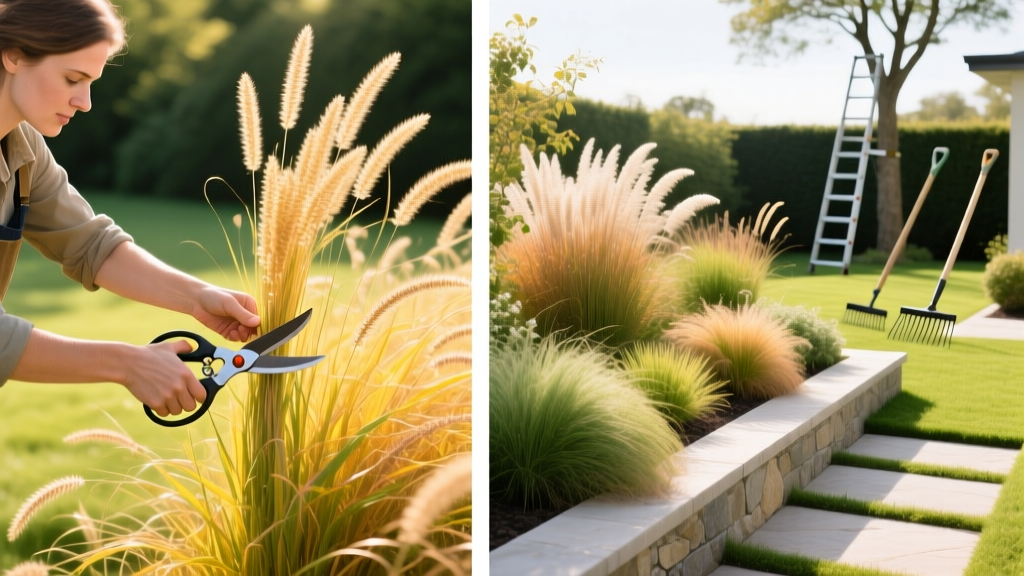
When Should Ornamental Grasses Be Cut Back? Timing & Pruning Guide
The Golden Rule: Why Late Winter Beats Fall Pruning
The most common mistake beginners make with ornamental grasses is cutting them down in late autumn. While a tidy yard might seem appealing, the universal best practice for most ornamental grasses is to wait until late winter or early spring—just before new green shoots emerge from the soil. The exact timing depends on whether you are growing warm-season (C4 pathway) or cool-season (C3 pathway) varieties, but the principle remains the same: leave the dried plumes and canes standing through the snow.
Leaving grasses uncut during winter provides three critical benefits:
- Crown Insulation: The dead foliage acts as a natural thermal blanket, protecting the sensitive growing point (the crown) from freeze-thaw cycles that can cause severe winter kill.
- Wildlife Habitat: According to the National Audubon Society, standing grass stems provide essential overwintering shelter for native bees and crucial seed sources for birds like finches and sparrows during the lean winter months.
- Winter Aesthetics: Grasses like Miscanthus sinensis (Maiden Grass) and Pennisetum alopecuroides (Fountain Grass) offer striking structural contrast, catching frost and snow in otherwise barren landscapes.
Expert Insight: Never cut ornamental grasses back to the absolute soil line. Always leave a 2 to 4-inch stubble above the crown. Cutting flush with the dirt exposes the hollow canes to winter moisture, leading to fungal crown rot caused by pathogens like Rhizoctonia.
Cool-Season vs. Warm-Season Grasses: A Timing Matrix
To determine exactly when your specific grass needs pruning, you must first identify its growth cycle. Warm-season grasses thrive in summer heat and go dormant in winter, while cool-season grasses grow actively in spring and fall, often semi-evergreen in milder climates.
| Grass Category | Common Varieties | Ideal Cutback Window | Target Cutting Height |
|---|---|---|---|
| Warm-Season | Maiden Grass, Fountain Grass, Switchgrass, Zebra Grass | Late February to Early April (Before green shoots appear) | 2 to 4 inches above crown |
| Cool-Season | Blue Fescue, Blue Oat Grass, Feather Reed Grass | Late Fall (after dormancy) OR Very Early Spring | 3 to 5 inches above crown |
| Evergreen/Sedge | Japanese Sedge, Tufted Hair Grass, Mondo Grass | Do Not Cut (Comb out dead blades by hand in spring) | N/A |
For a comprehensive database of specific grass varieties and their hardiness zones, the Clemson University Home & Garden Information Center maintains an excellent, regularly updated reference guide for homeowners.
Step-by-Step Pruning Technique for Beginners
Cutting back a massive clump of Maiden Grass with hand shears is a recipe for blisters and frustration. Use this proven bundling method to cut your labor time by 80% and eliminate the headache of gathering loose, sharp debris.
- Wrap and Bundle: Take a heavy-duty bungee cord (or a piece of twine) and wrap it tightly around the grass clump about two-thirds of the way up from the base. Pull all the sprawling canes into a tight, upright column.
- Position Your Cut: Measure 2 to 4 inches up from the soil line. This is your cutting mark.
- Make the Slice: Using a cordless hedge trimmer, slice horizontally through the bundled canes. If using manual loppers, take small 2-inch "bites" around the perimeter of the bundle rather than trying to crush the whole width at once.
- Lift and Remove: Because the grass is bundled, the entire top-heavy mass will lift off in one clean piece. Carry it directly to your compost bin or yard waste cart without dropping a single blade.
- Clear the Crown: Once the bulk is removed, gently use a hand rake or your gloved fingers to pull out the dead, decaying thatch trapped inside the center of the remaining stubble. This allows sunlight and air to reach the new spring shoots.
⚠️ Safety Warning: Ornamental grass blades contain silica phytoliths, making them microscopically serrated and sharp enough to slice through bare skin. Always wear heavy-duty leather gauntlet gloves (not cotton or nitrile) and safety glasses to protect your eyes from snapping, whip-like canes.
Essential Tools for the Job (and What to Avoid)
Having the right equipment transforms a grueling chore into a 10-minute task. Here is the ideal toolkit for the 2026 gardening season:
- Cordless Hedge Trimmer: For grasses taller than 3 feet, a 24-inch cordless hedge trimmer is mandatory. The EGO Power+ 24-inch Cordless Hedge Trimmer (HT2400) retails for roughly $199 and slices through thick, fibrous canes without stalling. Avoid cheap corded electric trimmers; the thick winter stalks will jam the blades.
- Bypass Loppers: For smaller clumps or thick, woody-stemmed grasses like Pampas grass (Cortaderia selloana), use 28-inch bypass loppers. The Fiskars 28-inch Bypass Loppers ($45) feature a compound leverage mechanism that easily crushes 1.5-inch canes.
- Leather Gauntlet Gloves: Standard gardening gloves will be shredded. Invest in goatskin leather gauntlet gloves (like the Wells Lamont 12-inch Goat Leather pair, ~$25) that protect your forearms from scratches.
- Tool Sharpener: A carbide blade sharpener is essential. Dull hedge trimmer blades will shred and chew the grass canes, leaving jagged, unsightly tips that are prone to rot.
Common Beginner Mistakes and How to Fix Them
Mistake 1: Cutting Evergreen Grasses to the Ground
If you have cool-season evergreens like Blue Fescue (Festuca glauca) or Japanese Sedge (Carex morrowii), putting a trimmer to them will shock the plant and potentially kill it. These grasses do not produce tall, hollow, dead canes. Instead, they hold onto their foliage year-round. The Fix: Put on your rubber gloves and simply "comb" your fingers through the grass clump in early spring. The dead, brown blades will pull out easily, leaving the healthy green foliage intact.
Mistake 2: Pruning Too Late in Spring
If you wait until mid-April or May to cut back warm-season grasses, you will inevitably decapitate the new, tender green shoots that have already begun emerging from the crown. This stunts the plant's growth for the entire summer and creates a jagged, brown-tipped appearance. The Fix: Set a recurring calendar reminder for late February. If you see green shoots pushing up more than 3 inches, cut the dead material immediately, even if a late frost is forecasted.
Mistake 3: Leaving the Debris on the Lawn
Chopped ornamental grass canes take years to decompose and can smother your turfgrass if left on the lawn. The Fix: Always lay down a tarp before you start cutting, or use the bungee-bundle method mentioned above to transport the waste directly to a compost pile. Note that thick canes like Miscanthus should be run through a mulcher or chipper before composting, otherwise they will not break down in a standard backyard bin.
Frequently Asked Questions
Can I burn my ornamental grasses instead of cutting them?
While controlled burning is a traditional method used by commercial growers and prairie restorationists to clear dead thatch and return nutrients to the soil, it is highly discouraged for residential homeowners. The risk of the fire spreading to nearby mulch beds, fences, or dry turf is immense, and most municipal codes strictly prohibit open burning. Stick to mechanical pruning.
My Pampas grass is massive and the center is dead. What should I do?
Pampas grass (Cortaderia selloana) is notorious for dying out in the center after 5 to 7 years, forming a thick, woody ring of growth. When you cut it back in early spring, use a digging bar or a reciprocating saw with a pruning blade to split the dead center. You can either dig out the dead core and fill it with compost, or use a sharp spade to divide the entire clump into three or four smaller sections and replant them elsewhere in the yard.
Do I need to fertilize ornamental grasses after cutting them back?
Most ornamental grasses thrive in lean soil and do not require heavy fertilization. In fact, excess nitrogen causes weak, floppy growth that causes the grass to collapse under its own weight in late summer. If your soil is exceptionally poor, apply a light top-dressing of organic compost (about half an inch thick) around the base of the plant immediately after pruning. Avoid synthetic, high-nitrogen lawn fertilizers.
For further reading on low-maintenance garden design and integrating native grasses into your landscape, the National Gardening Association offers excellent regional planting guides that pair perfectly with your new pruning routine.

